Interactive Research Timeline Last researched April 20, 2026

Monroeville Mall History

From visible construction in 1968 to the April 8, 2026 redevelopment watch state, this page pulls verified milestones, film history, anchor changes, renovations, and photo credits into one living timeline built to keep expanding.

1985 to 2002

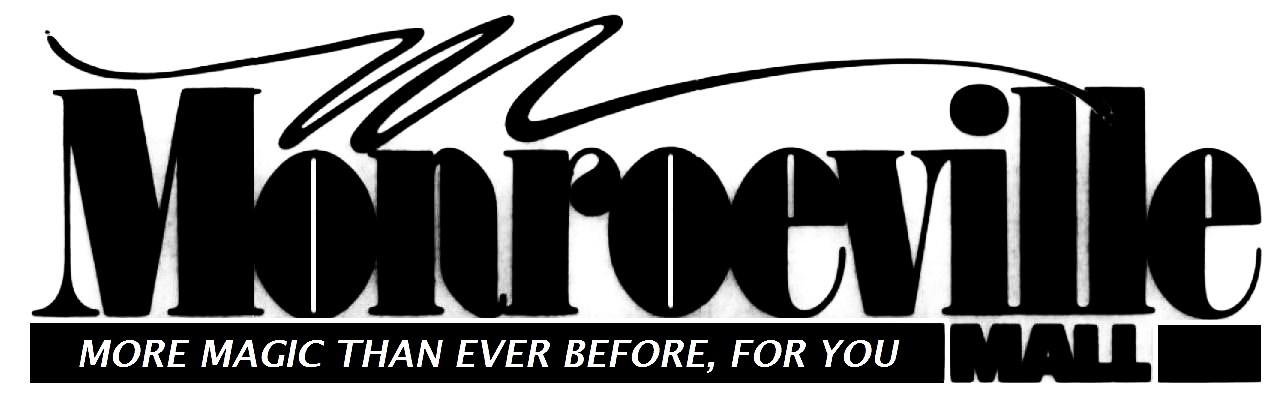
This logo was commissioned and used from 1987 through the significant new reconstruction changes in 2005 of the mall.

1985 to 2002 Anchor Shifts

Big Changes to Monroeville Mall Anchor Stores

The Gimbels closure triggers one of the mall's earliest big anchor resets, with Kaufmann's moving into the former space after renovation and expansion.

History
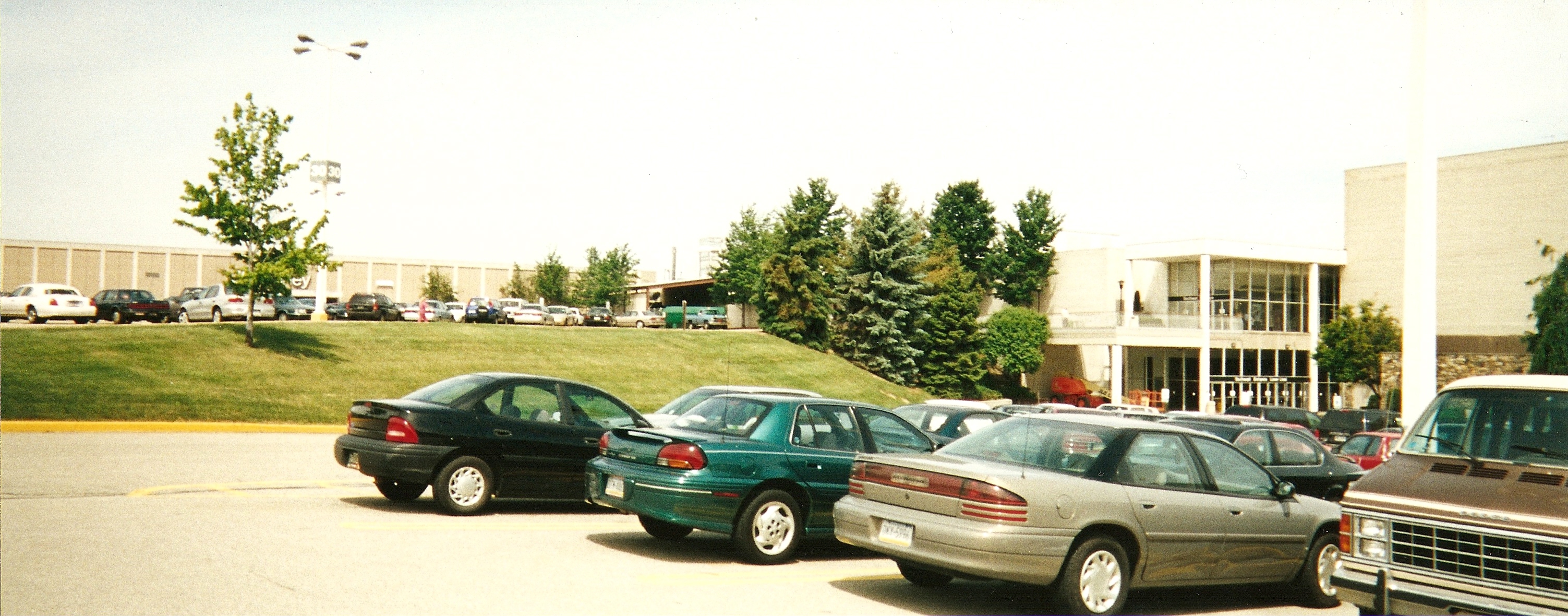
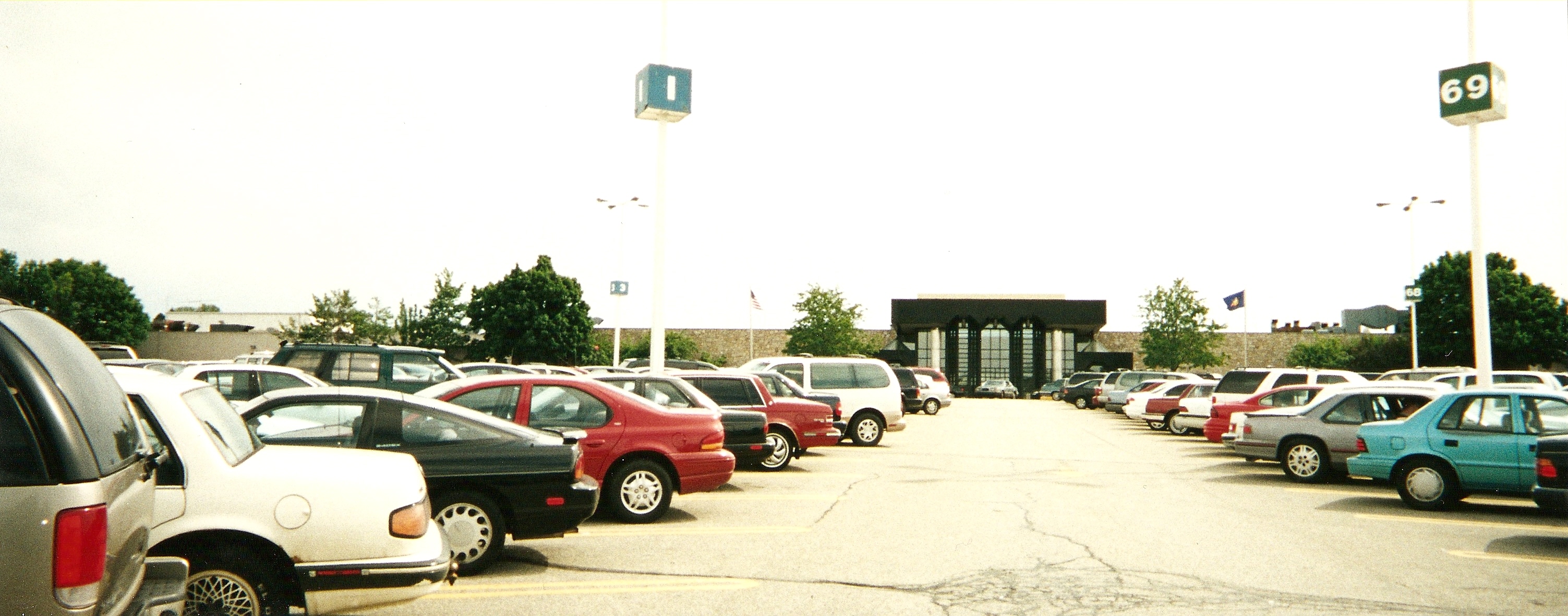
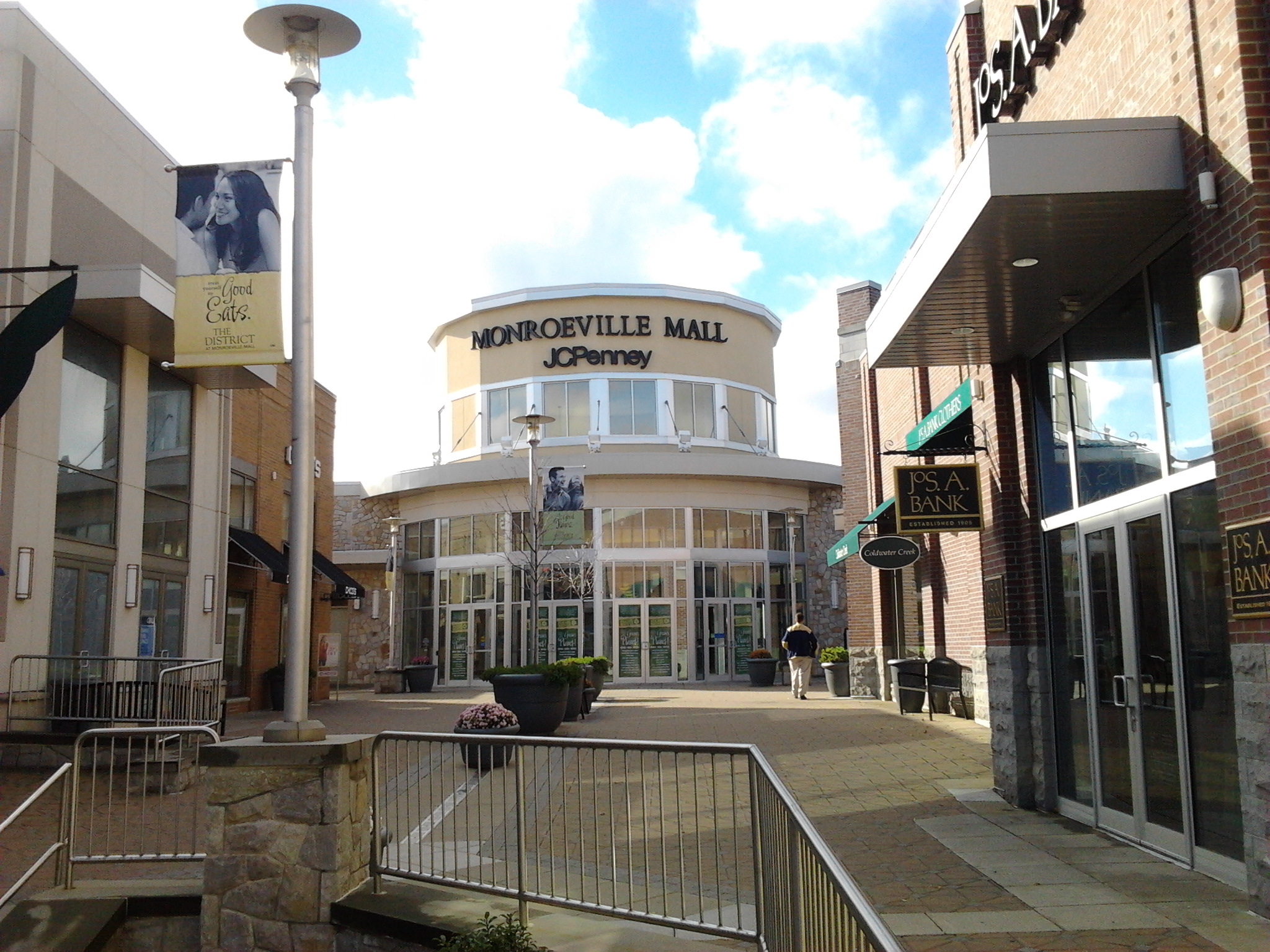
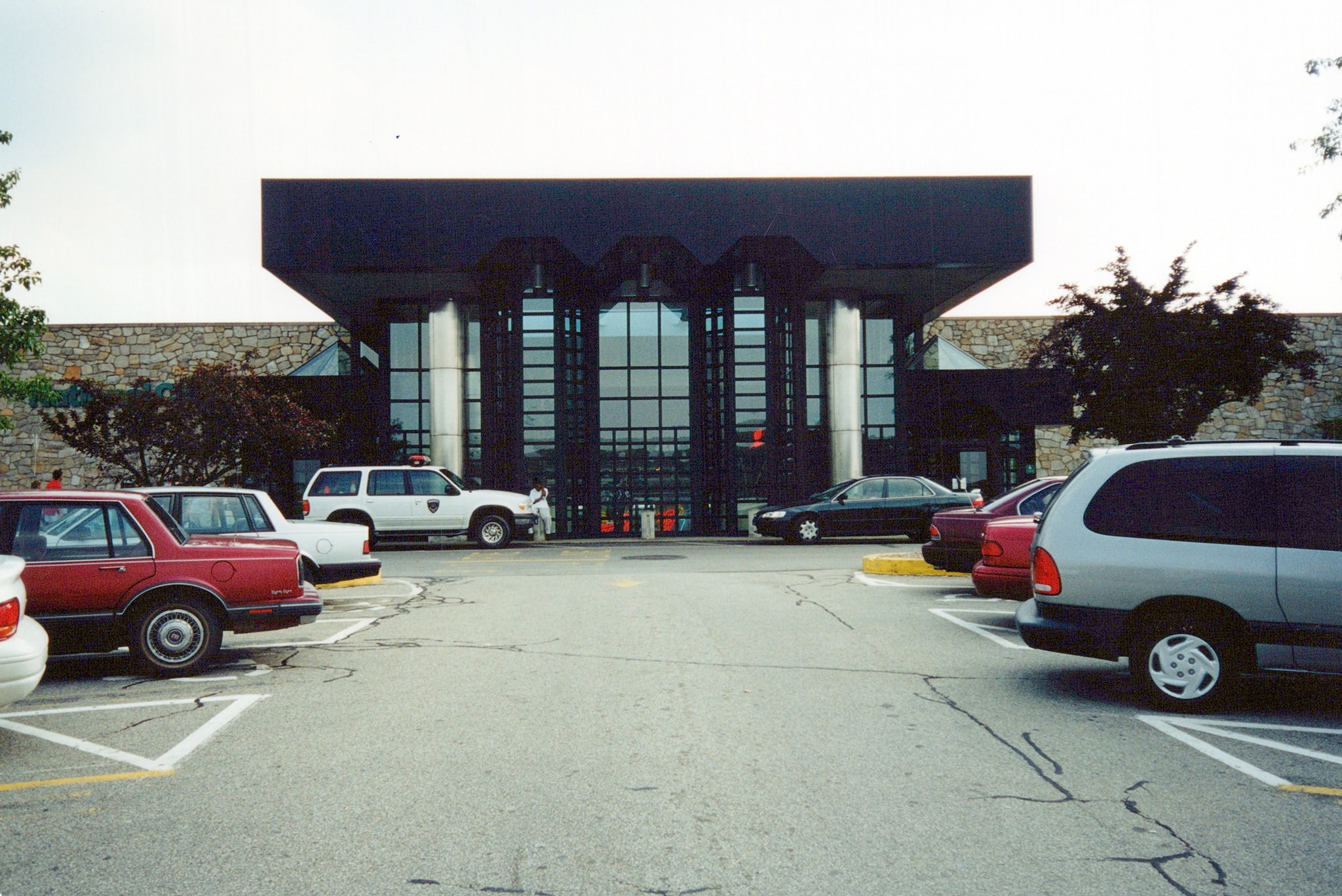
Monroeville Mall Front Entrance 1984-2003
Monroeville Mall Front Entrance 1984-2003Credit: Alex Gifford, 1999

1985–1987: the Monroeville Mall absorbs the fall of Gimbels

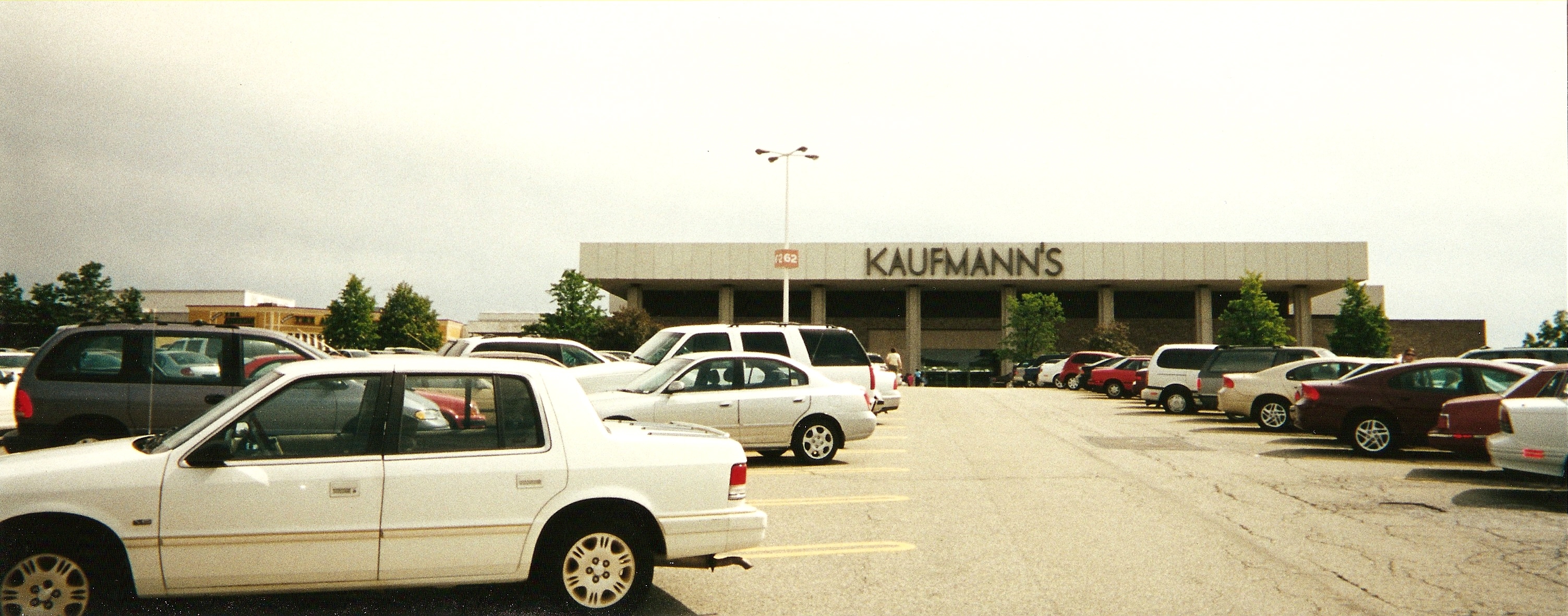
The biggest single retail event of this period was the collapse of Gimbels as a chain. This was felt nationwide as so many Gimbels retail locations, many in malls, ceased to be in operations. In January 1986, BATUS Inc., a $3.5-billion U.S. subsidiary of a British retailing and financial-services firm, announced a major retail restructuring. BATUS Inc. acted as a retail holding group, which also owned Saks Fifth Avenue, Kohl's, and Marshall Field's during the 1970s and 1980s, eventually selling these assets, reducing their retail sales operations by 40%. Unable to find a buyer for the entire chain, BATUS Inc. closed the unprofitable Gimbels-Pittsburgh division, closing all of its locations and selling the properties, except for some of the high profit Gimbels locations in shopping malls rebranded as Kaufmann's stores. Specifically at the Monroeville Mall, this was one such location that simply was rebranded. The former Gimbels anchor was therefore reworked into a Kaufmann’s department store with mall-history compilations consistently placing the Monroeville Mall Gimbels closure on Aug. 23, 1986 and the Kaufmann’s reopening on Aug. 13, 1987, after renovation and expansion into the unused third floor.
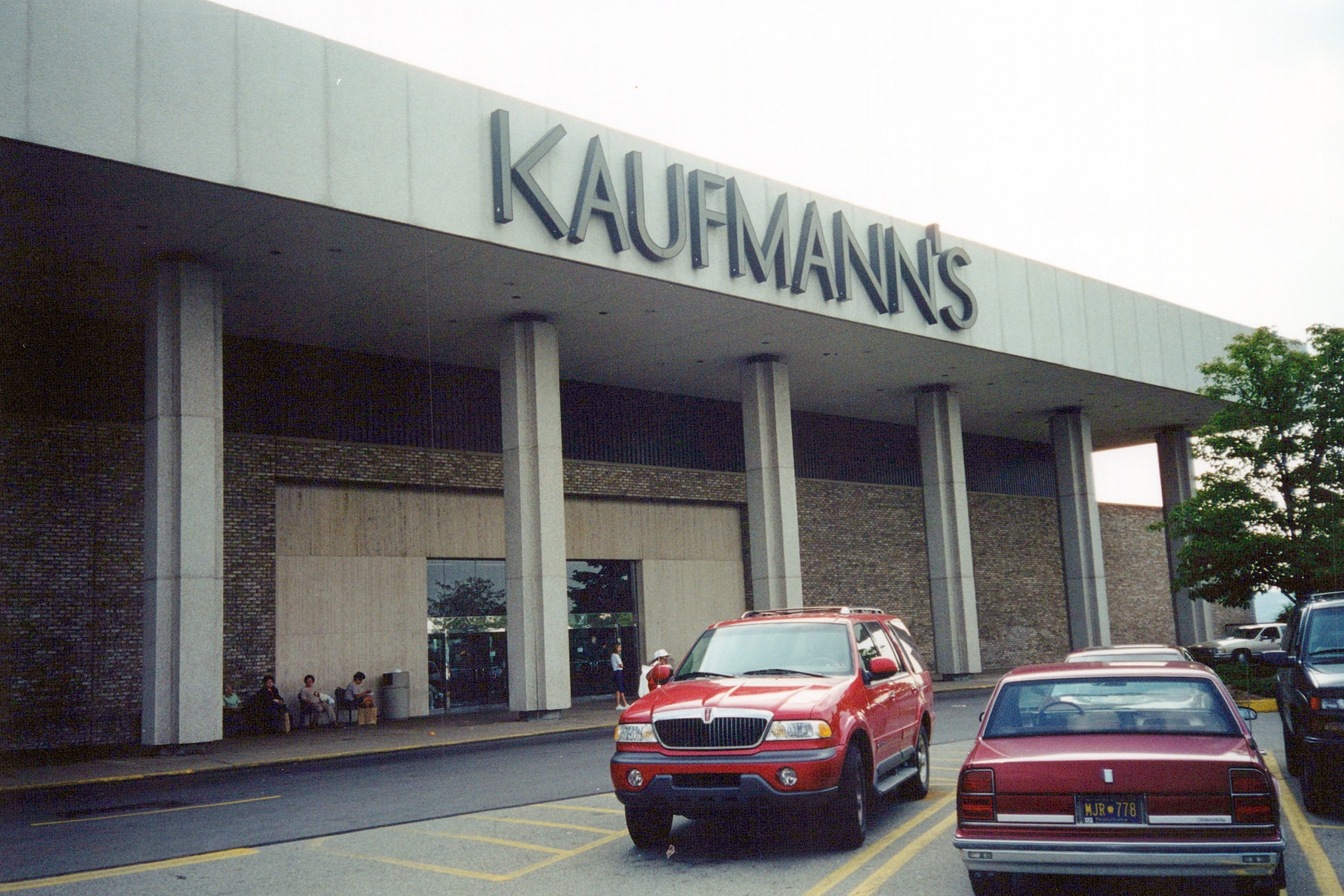
Kaufmann's Outside in 1999
Kaufmann's Outside in 1999Credit: Alex Gifford, 1999

Gimbels to Kaufmann’s: the anchor-store change in plain terms Why Gimbels changed: BATUS Inc., decided in 1986 to sell off Gimbels after weak performance. Contemporary reporting shows May Department Stores moving to take suburban Pittsburgh Gimbels locations. What happened at Monroeville Mall: the Gimbels anchor closed in 1986 and was renovated and expanded before reopening as Kaufmann’s in 1987. The most commonly cited dates are Aug. 23, 1986 for closure and Aug. 13, 1987 for reopening. Why it mattered: this was a transfer from one classic Pittsburgh department-store tradition to another, but it also reflected national consolidation. The mall remained viable because the space did not sit dark long-term; it was reactivated under a stronger surviving regional brand. Why Kaufmann’s fit: Kaufmann’s already had deep roots in Monroeville, including its 1961 freestanding suburban branch, so the mall conversion was legible to local shoppers as continuity as much as change.

That anchor change mattered far more than branding. Kaufmann’s was not new to Monroeville as a market; Historic Pittsburgh notes that Kaufmann’s had opened its first independent freestanding suburban branch in Monroeville in 1961. So the 1986–87 move into the mall represented a deeper consolidation: a powerful Pittsburgh department-store name shifting its local gravity into the enclosed regional mall rather than standing apart from it. In practical terms, Monroeville Mall emerged from the Gimbels collapse not weakened, but re-anchored under a still-strong local retail banner. It is noteworthy that during this time in history, the Monroeville Mall changed their primary logo to reflect the extensive changes, expansions and remodeling of their anchor store locations. The new logo was commissioned in 1987 as part of a larger Mardi Gras celebration during that year. This change, among the other changes during this time period truly reflects the ongoing transition of the mall.

The late 1980s and early 1990s: Monroeville remains a dominant eastern-suburbs mall

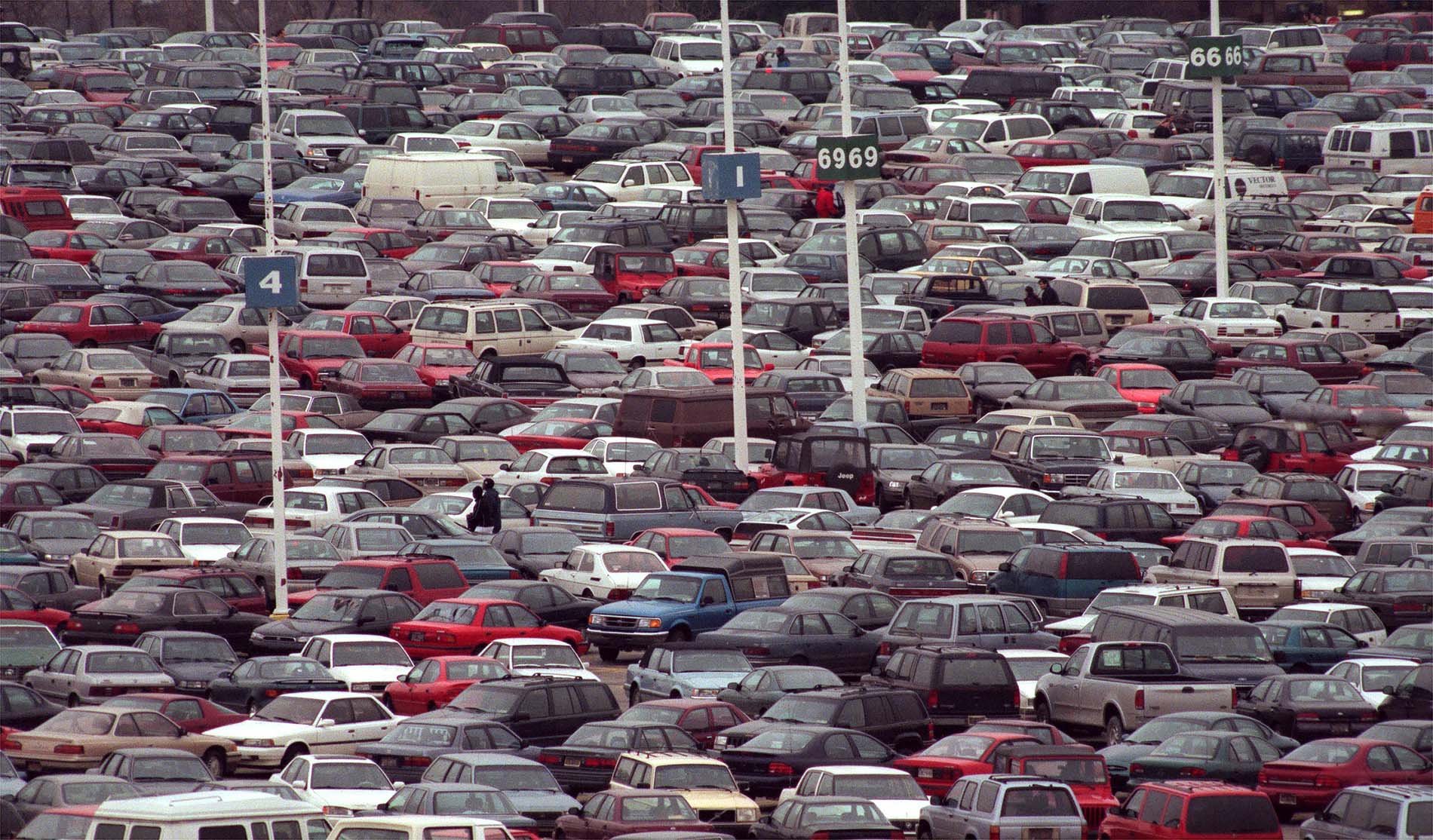
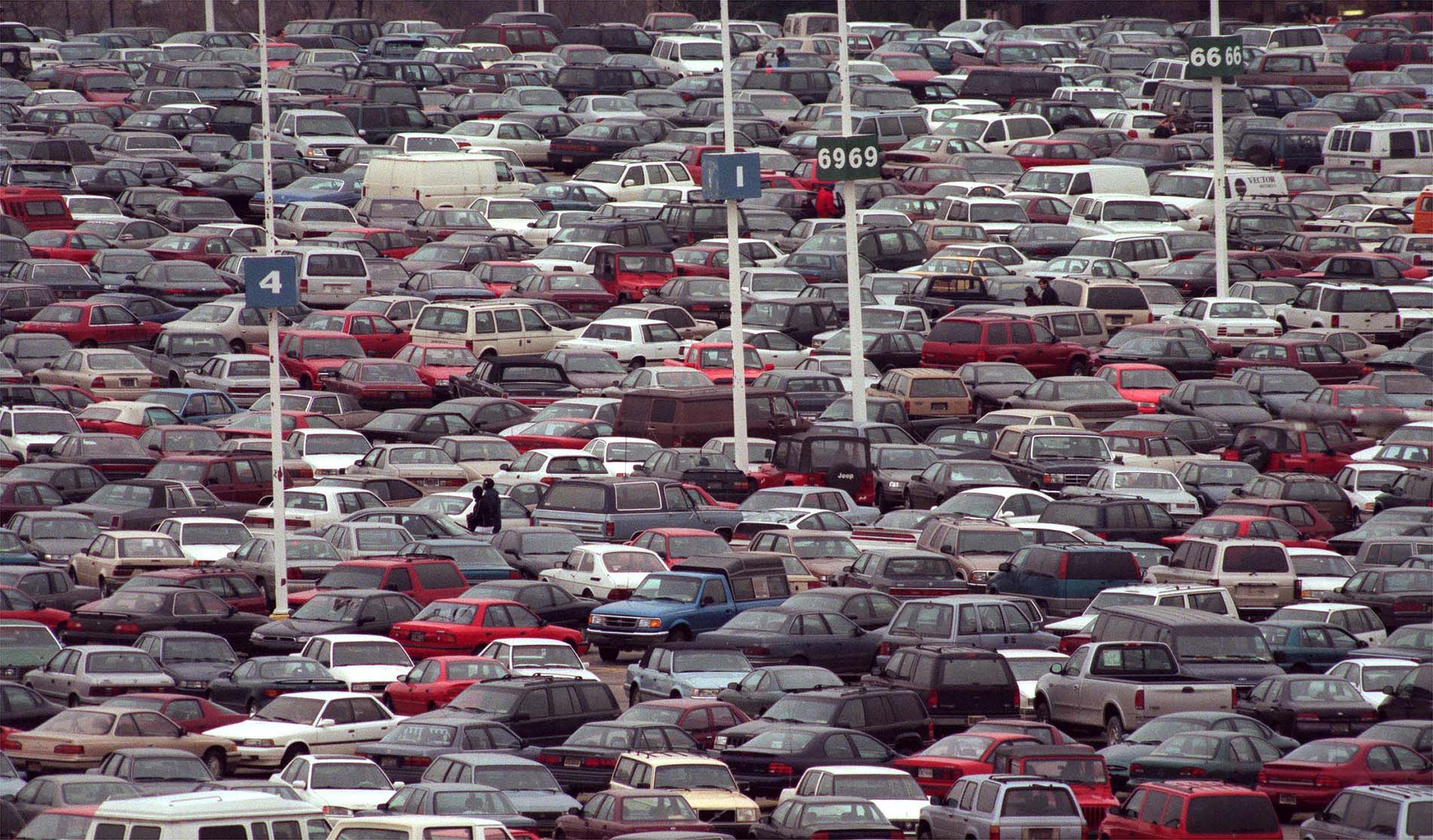
The evidence that the mall stayed commercially important through this era is strong even when store-by-store documentation is patchy. WTAE Pittsburgh’s archive footage from Christmas Eve 1994 shows packed parking lots and dense holiday traffic, a reminder that Monroeville Mall was still functioning as a major regional draw. A later Post-Gazette holiday-shopping retrospective used a 1997 Monroeville Mall view specifically to illustrate the suburban shopping model that had pulled consumers away from downtown department stores: free parking, convenience, and concentration of retail in one place.

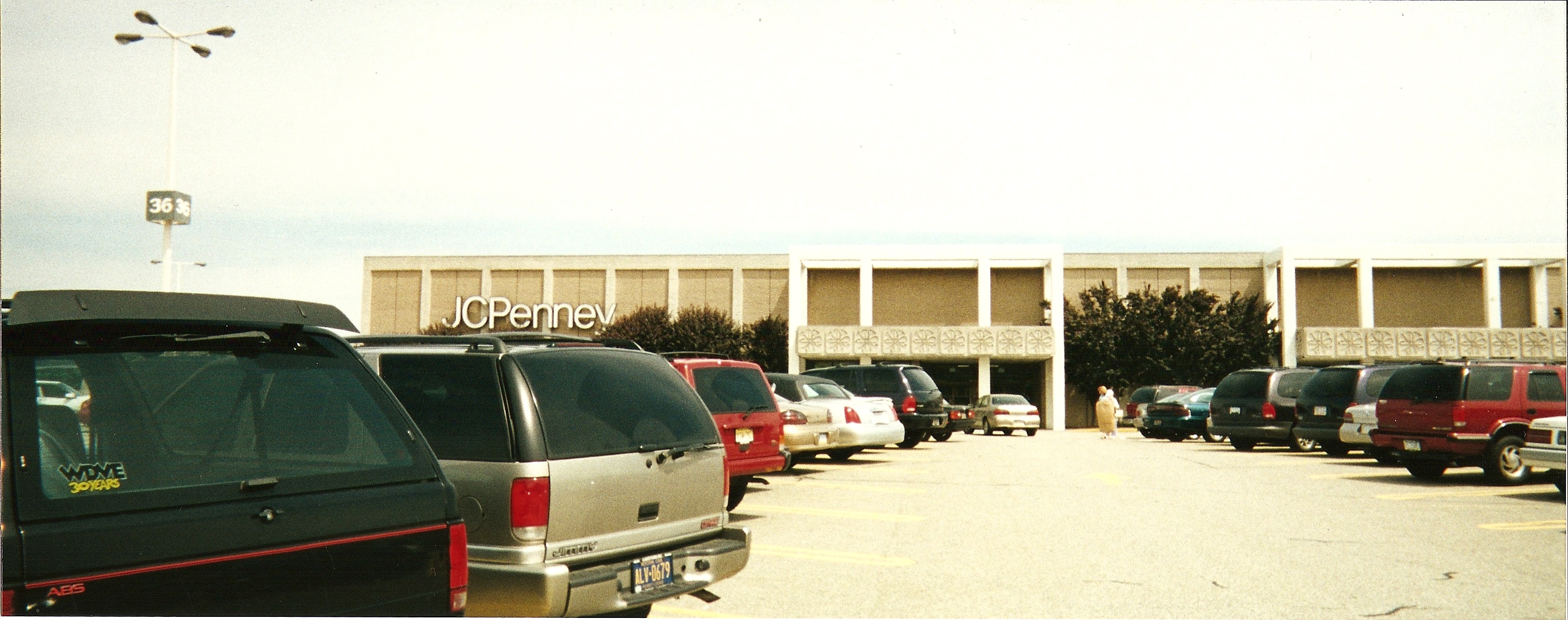
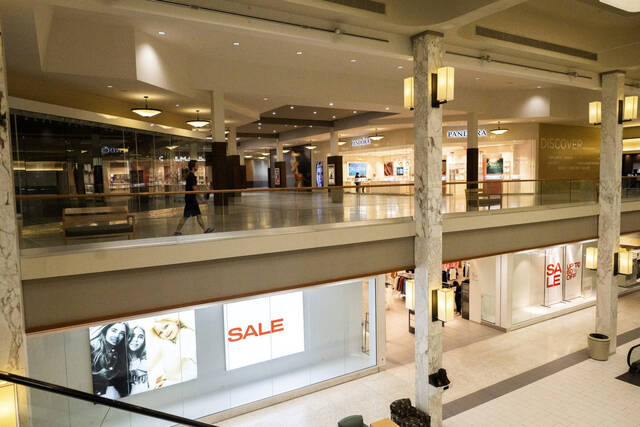
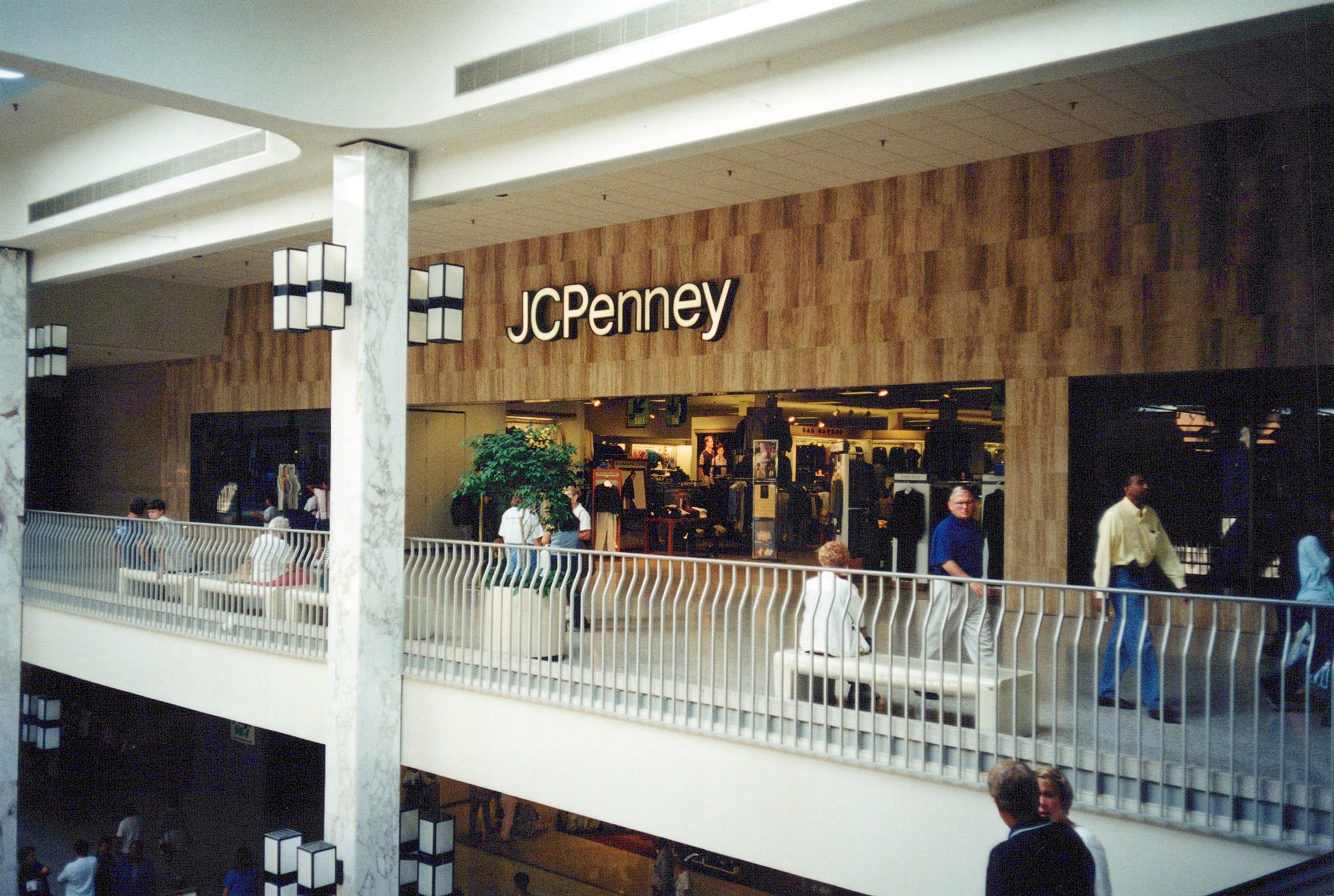
JCPenney Upper Floor Entrance inside Mall
JCPenney Upper Floor Entrance inside MallCredit: Alex Gifford, 1999

This is the best way to frame the mall in the 1990s: not yet in terminal decline, but already operating inside a national retail environment that was becoming harsher. Traditional department stores were under pressure from discounters, changing customer habits, and corporate mergers. Monroeville remained important, but it was increasingly surviving by adaptation rather than by inertia. That helps explain why so many of the mall’s most important historical events from 1985 to 2003 involve rebranding, demolition, replacement, and redevelopment rather than pristine continuity.

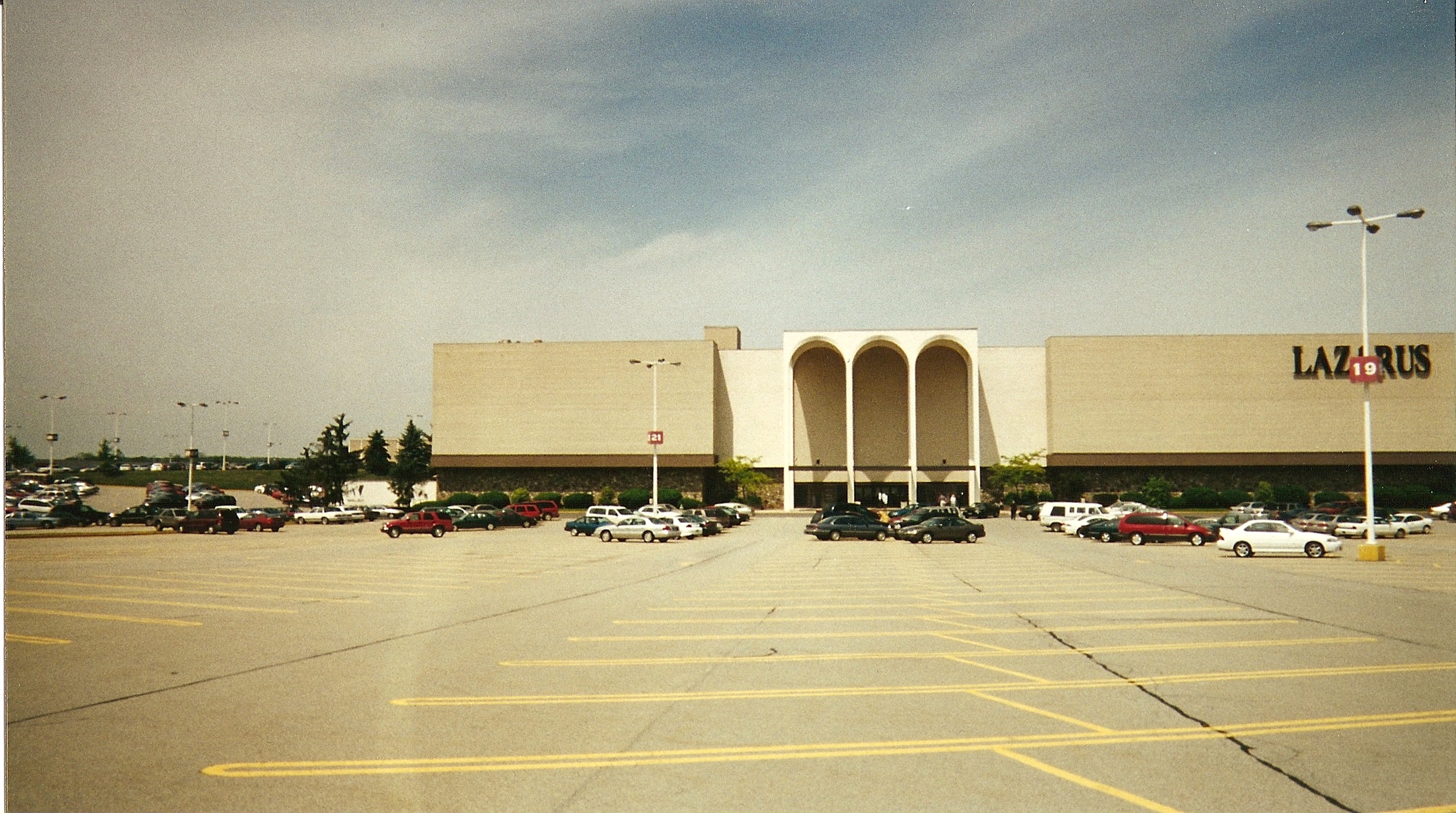
1994: The Mall celebrates a big birthday milestone. Horne’s disappears, Lazarus arrives

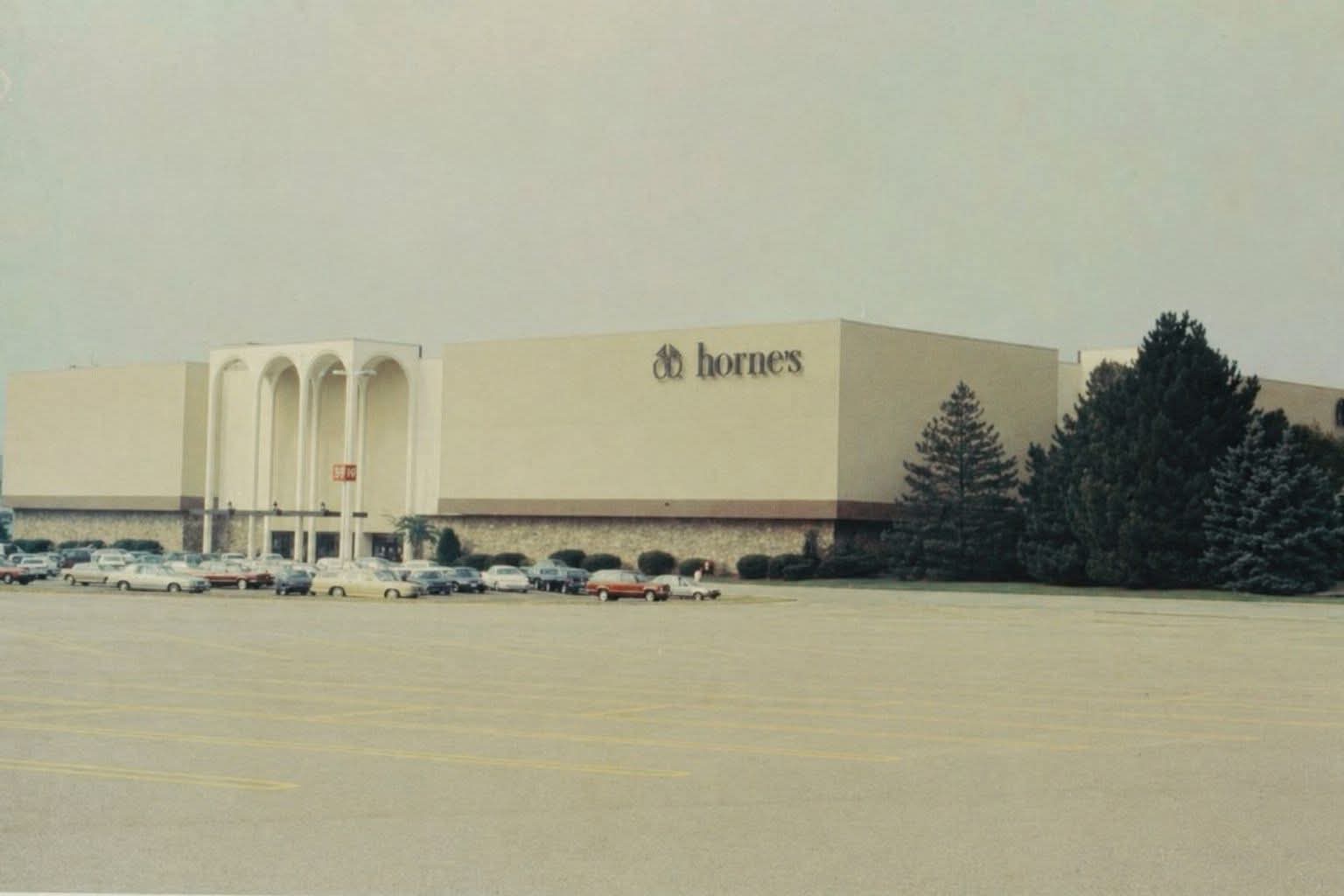
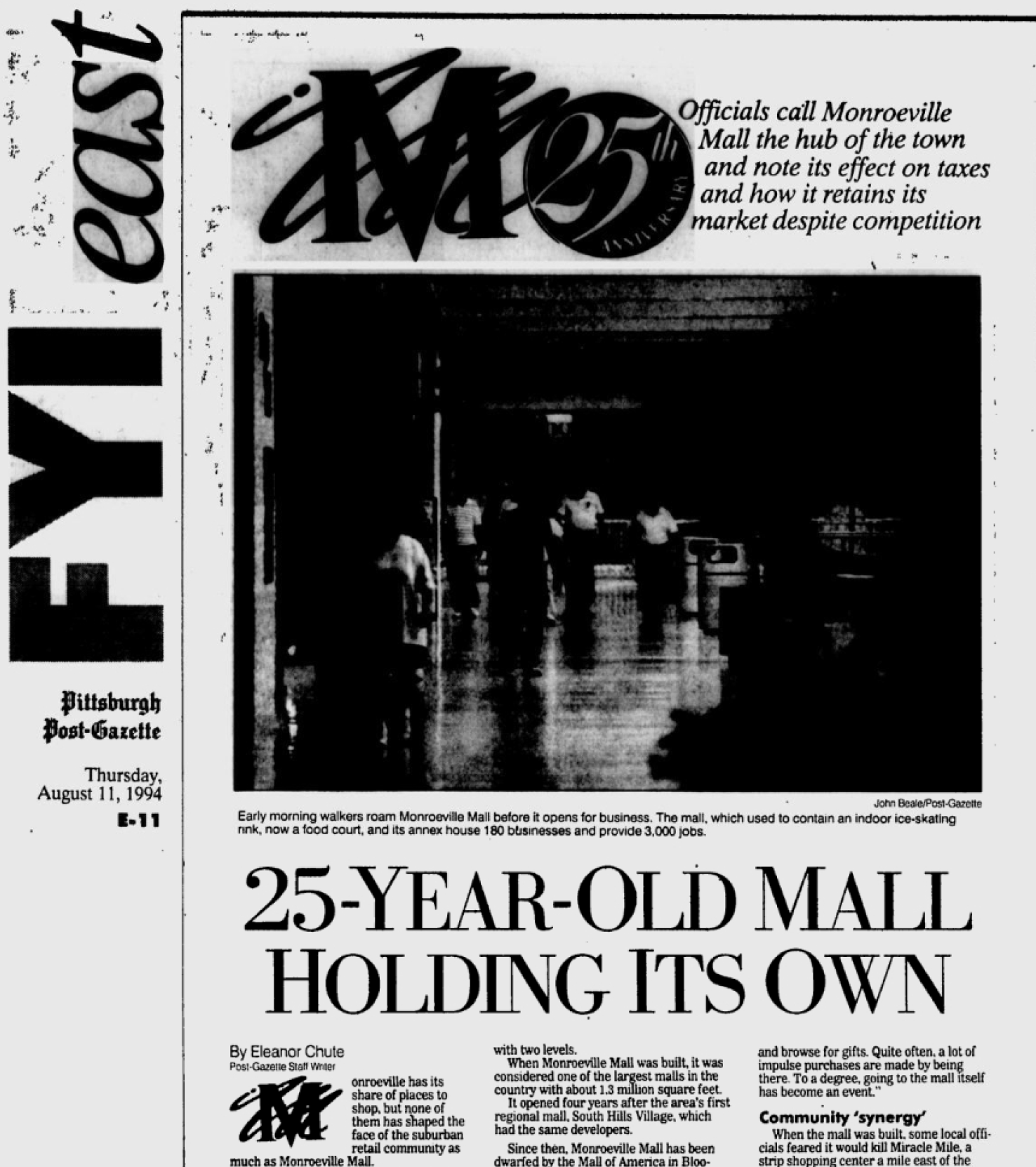
The Monroeville Mall celebrated its 25-year birthday on 11 Aug 1994. 25 years ago, this mall was considered one of the largest in the entire country. The other major anchor change in your time window was at the former Joseph Horne Co. store. After Federated acquired the Horne’s chain, Horne’s ceased operating under its old name in 1994; the Post-Gazette specifically covered “Lazarus takes over Horne’s,” and broader historical summaries place the end of the Horne’s name on Aug. 29, 1994. For Monroeville Mall, this meant that another of the mall’s original Pittsburgh anchor identities disappeared in favor of an out-of-town corporate nameplate.

That change is historically important because it shows Monroeville Mall’s evolution from a mall defined by Pittsburgh retail institutions to one shaped by national department-store consolidation. By the mid-1990s, two of the mall’s most iconic local names—Gimbels and Horne’s—had both vanished from the building. Kaufmann’s survived, but even that survival came by absorbing a failed rival’s real estate rather than preserving the older retail order.

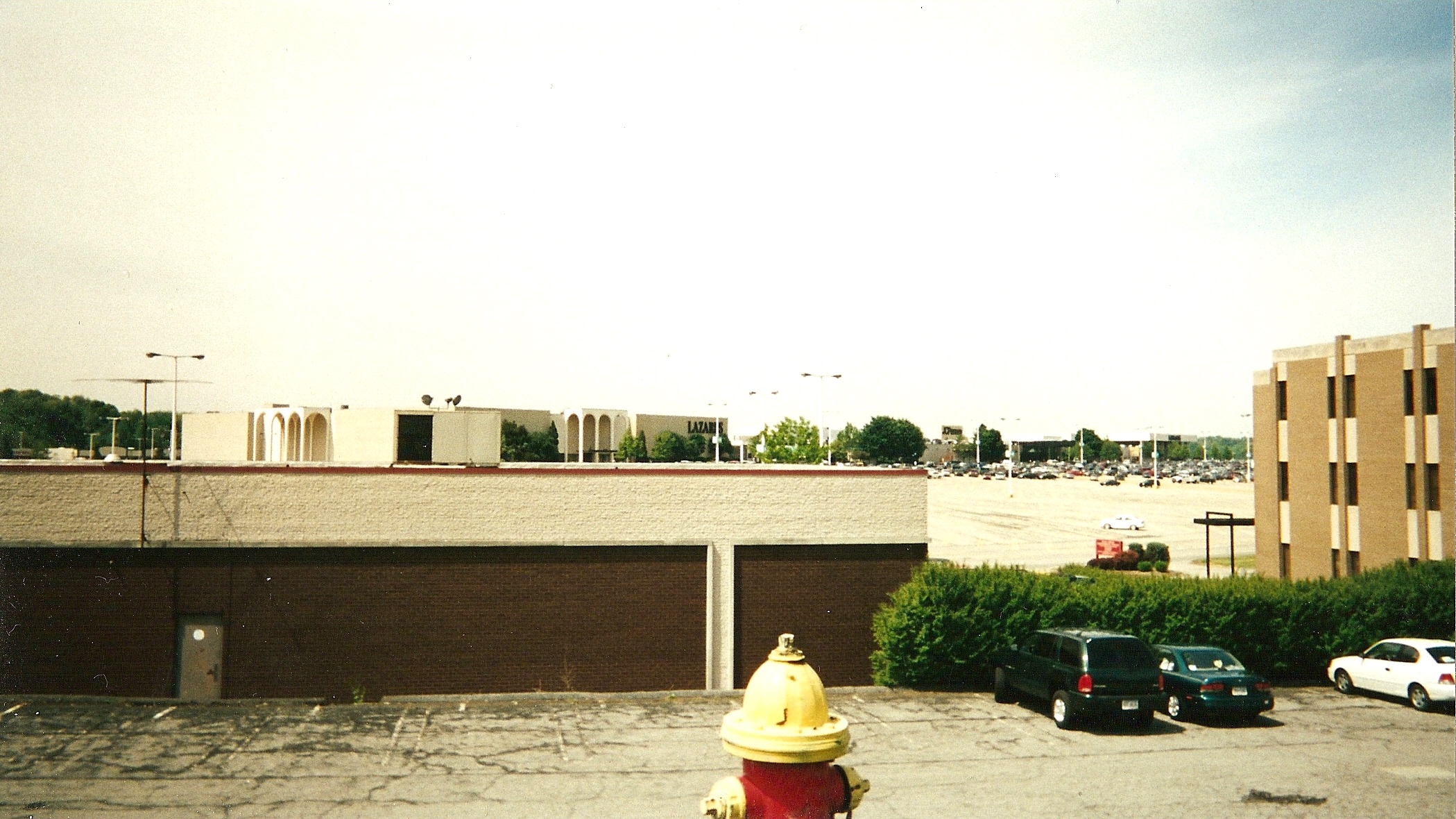
Lazarus Department Store in 2001
Lazarus Department Store in 2001Credit: Brett McBean, 2001

1998–1999: the old mall theater is removed and Best Buy takes its place

One of the clearest late-1990s changes was the loss of the old theater on the mall grounds. The theater’s lineage ran from Jerry Lewis Twin Cinema to Monroeville Mall Cinema I & II, then Cinemette East, then Cinema World Monroeville, and finally Carmike Monroeville 4. Multiple sources indicate that the multiplex shut in the late 1990s and that a Best Buy replaced it; later mall histories date the Best Buy opening to Oct. 5, 1999, and the Post-Gazette later referred to the demolition of Cinema World’s four-screen theater to make way for Best Buy. WTAE’s “then and now” gallery also documents the old theater site and the eventual Best Buy replacement.

This is a small but revealing event. It shows the campus shifting from older entertainment formats tied to the mall’s original era toward the big-box, category-killer logic of the late 1990s. In other words, Monroeville Mall was no longer just an enclosed mall with surrounding satellite uses; it was becoming a broader commercial node where national specialty retailers could replace older leisure infrastructure.

Key Historical Facts
  • Monroeville Mall's main entrance (north entrance) was remodeled in or around 1984 to accommodate the Food Court transition until reconstruction in 2003.
  • Monroeville Mall Gimbels closure took place on Aug. 23, 1986
  • Kaufmann’s opening took place on Aug. 13, 1987
  • Monroeville Mall changed its logo reflecting its mall makeover and anchor store expansions.
  • Horne’s ceased operating under its old name in August 29, 1994 and was rebranded as Lazarus
  • The old outparcel theater—later known as Cinema World / Carmike Monroeville 4—closed in the late 1990s and was replaced by Best Buy, which later sources date to Oct. 5, 1999

Average Cost of Living in 1985

  • Median Household Income = $23,620 (National Median) / $22,880 (Pennsylvania)
  • Minimum Wage = $3.35/hour (Pennsylvania)
  • New Home = $84,300 (National Median) / $54,152 (Pittsburgh)
  • Gasoline = $1.20/gallon
  • Milk = $2.27/gallon
  • New Car = $11,600
  • Rent = $432/month
  • Dozen Eggs = $0.80
  • Ground Beef = $1.24/lb
  • Sugar = $0.35/lb
  • Postage Stamp = $0.22

Milestone Videos

Playable milestone video records associated with "Big Changes to Monroeville Mall Anchor Stores".

3 videos
Monroeville Mall "Holiday Shopping" Commercial (1988)YouTube Video

A winter holiday-themed commercial for the Monroeville Mall, dated to November 1988 airing on Pittsburgh's WQED public broadcast station.

Monroeville Mall Early 1990s Holiday CommercialYouTube Video

Monroeville Mall commercial ripped from VHS tape, appears to be early 1990s.

Monroeville Mall Short Commercial Christmas 1990sYouTube Video

Monroeville Mall short spot holiday season commercial from the early 1990s.

Photo Archive

Preserved local photo copies associated with "Big Changes to Monroeville Mall Anchor Stores".

11 images
Monroeville Mall Front Entrance 1984-2003 Credit: Alex Gifford, 1999
Kaufmann's Outside in 1999 Credit: Alex Gifford, 1999
JCPenney Upper Floor Entrance inside Mall Credit: Alex Gifford, 1999
Lazarus Department Store in 2001 Credit: Brett McBean, 2001
JCPenney Outside in 2001 Credit: Brett McBean, 2001
Front Entrance in 2001 Credit: Brett McBean, 2001
Kaufmann's Outside in 2001 Credit: Brett McBean, 2001
Lazarus Outside in 2001 Credit: Brett McBean, 2001
Monroeville Mall Southeast Entrance 2001 Credit: Brett McBean, 2001
Suburban Shoppers using Monroeville Mall Parking Credit: Bob Donaldson, 1997
Monroeville Mall 1987 Logo Credit: Oxford Development, 1987

Artifacts

Approved archive artifacts associated with "Big Changes to Monroeville Mall Anchor Stores".

1 artifact

Sources

Preserved research source records associated with "Big Changes to Monroeville Mall Anchor Stores".

4 sources

MONROEVILLE MALL INTERACTIVE TIMELINE

Use the full rail to jump directly into another dedicated milestone view without reopening the main history navigator.

1968 1985 to 2002 2026