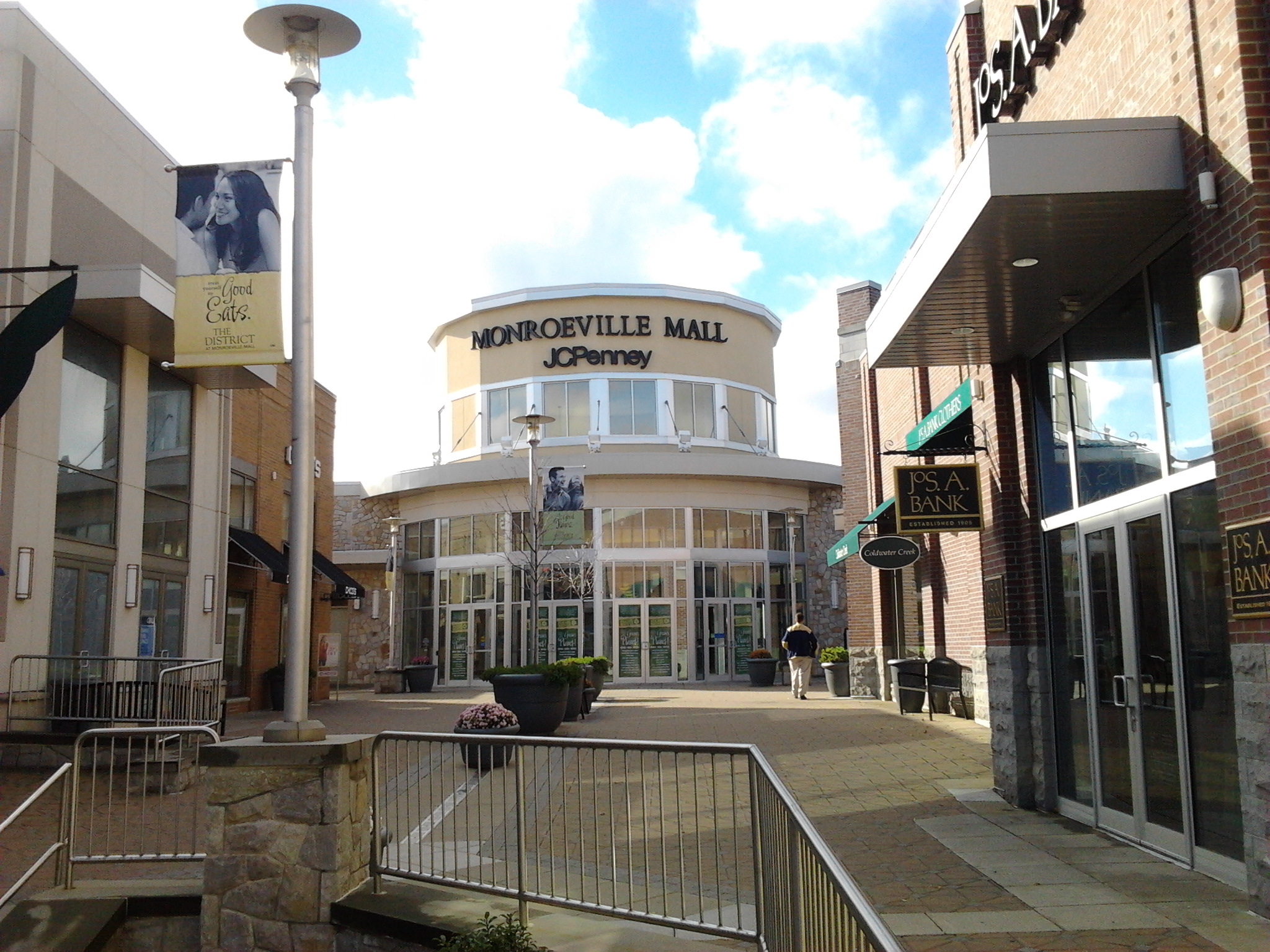
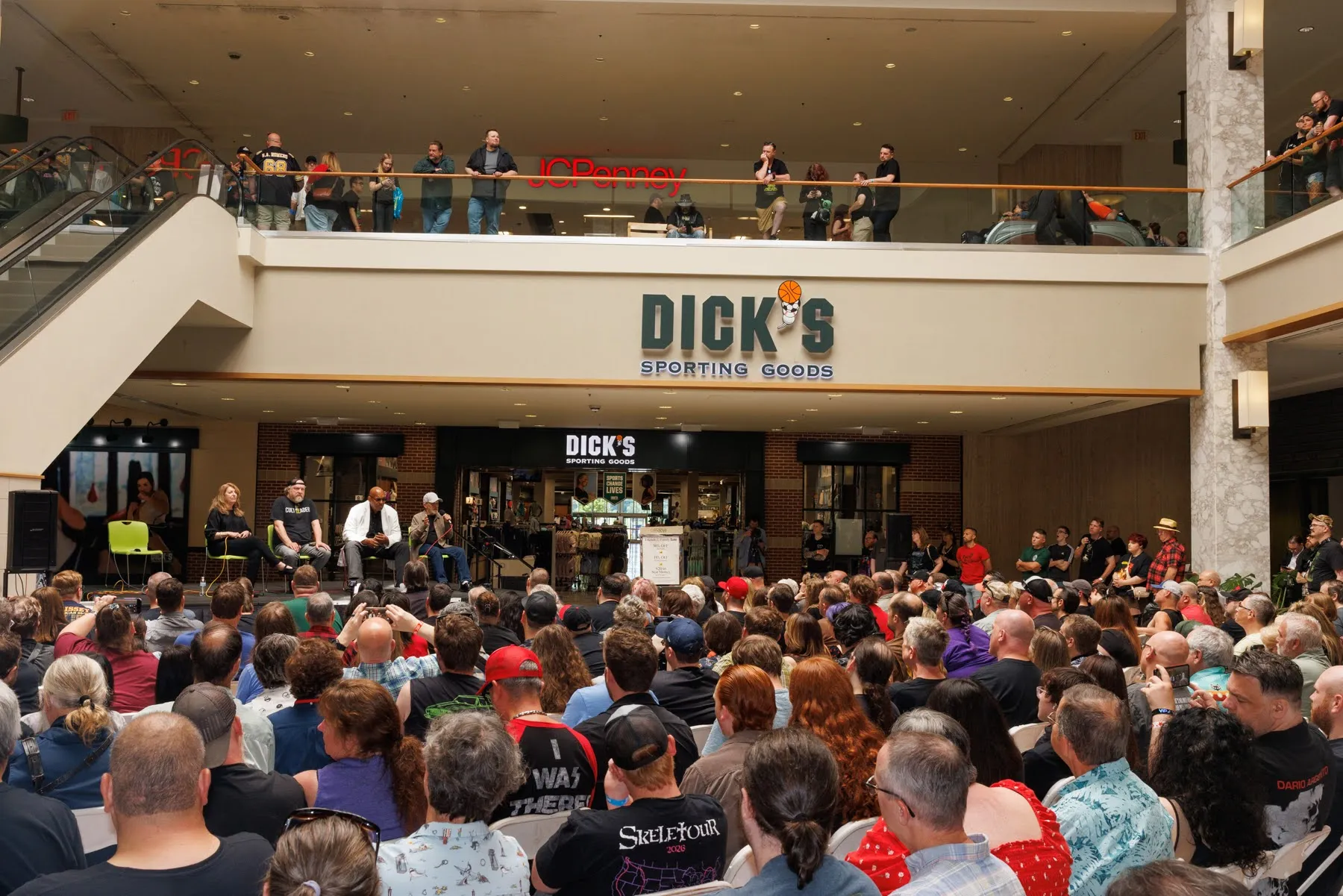
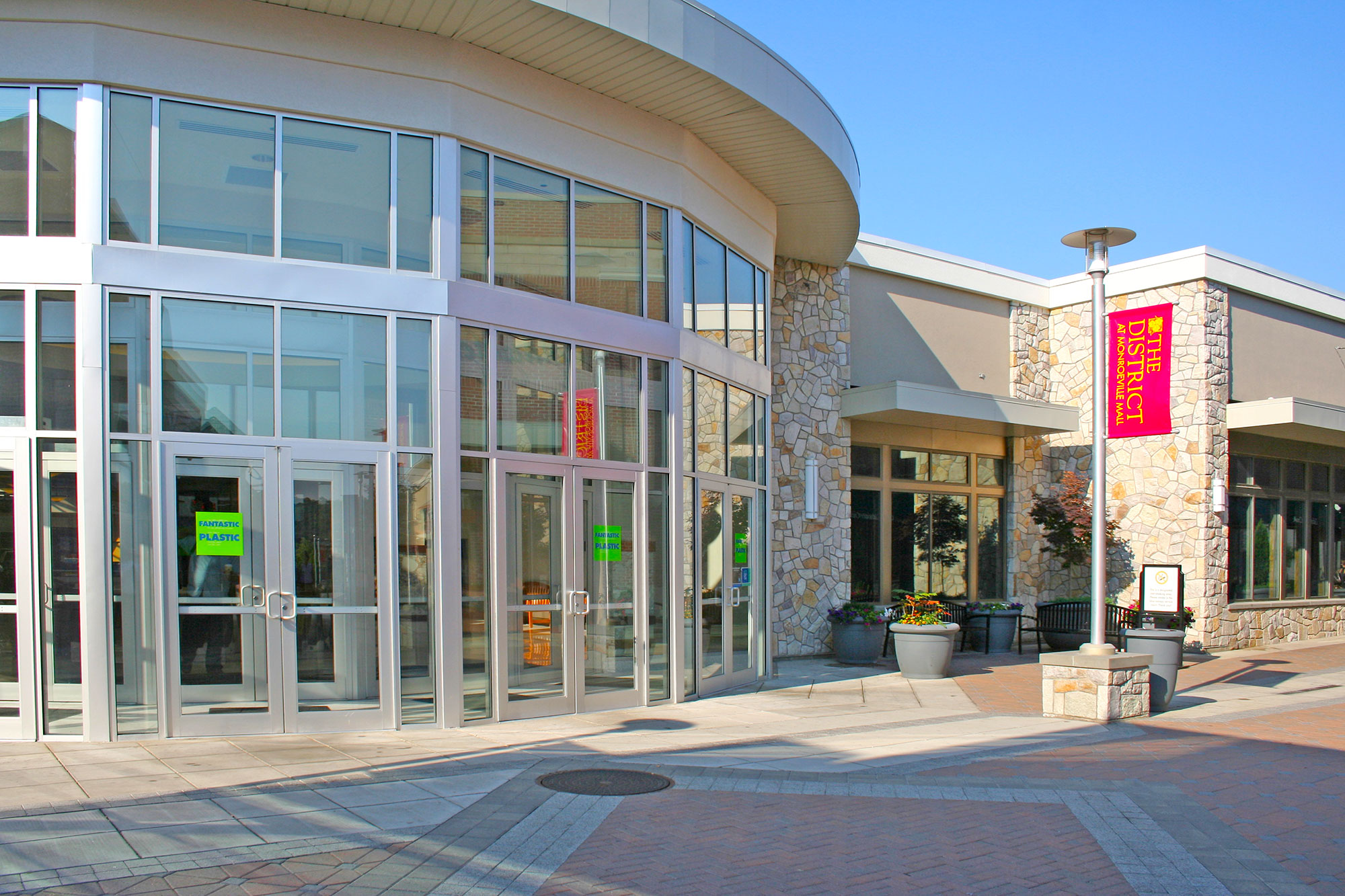
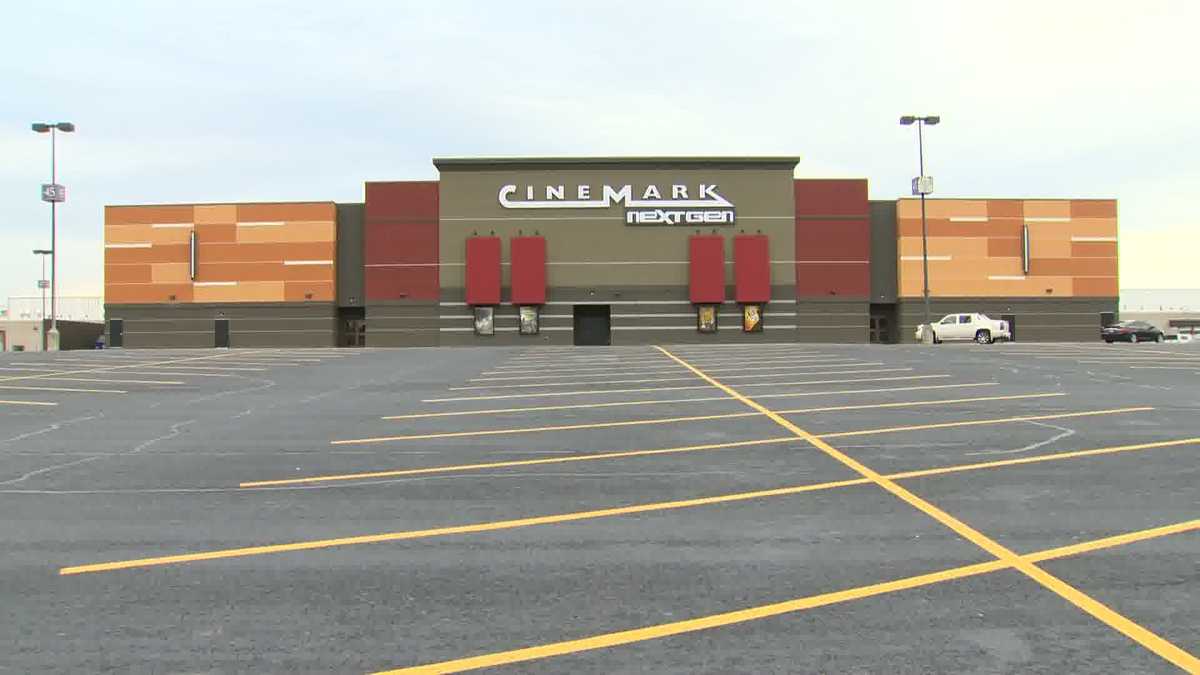
The result opened to the public in November 2013, when Cinemark Monroeville Mall and XD brought first-run movies back to the heart of the property. WTAE reported that the theater was built in the former JCPenney space and that it represented the first new movie theater in Monroeville since 1998. CBL’s year-end 2013 supplemental report listed the Monroeville Mall JCPenney / Cinemark redevelopment as a 78,223-square-foot project with a total project cost of $26.178 million, noting that JCPenney opened in October 2012 and Cinemark opened in JCPenney’s former space in November 2013.
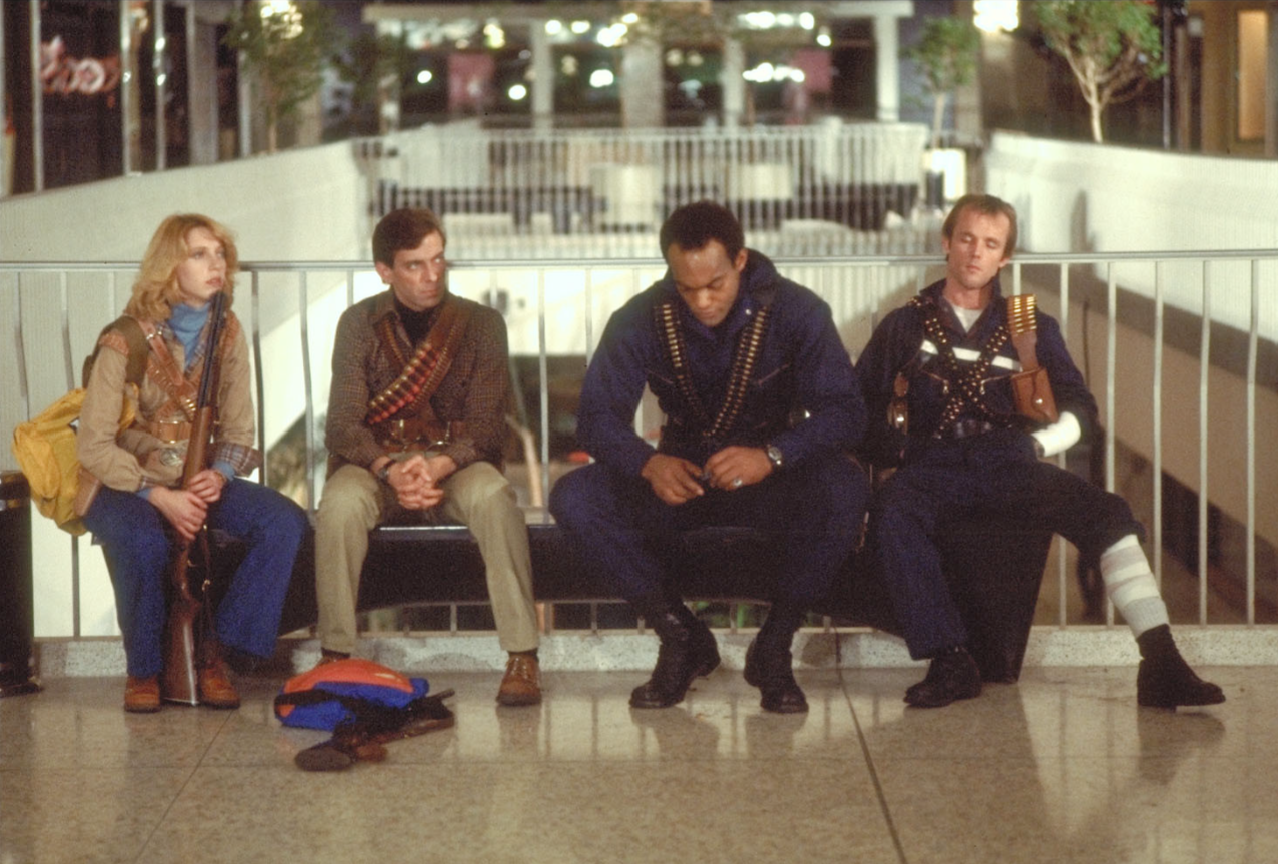
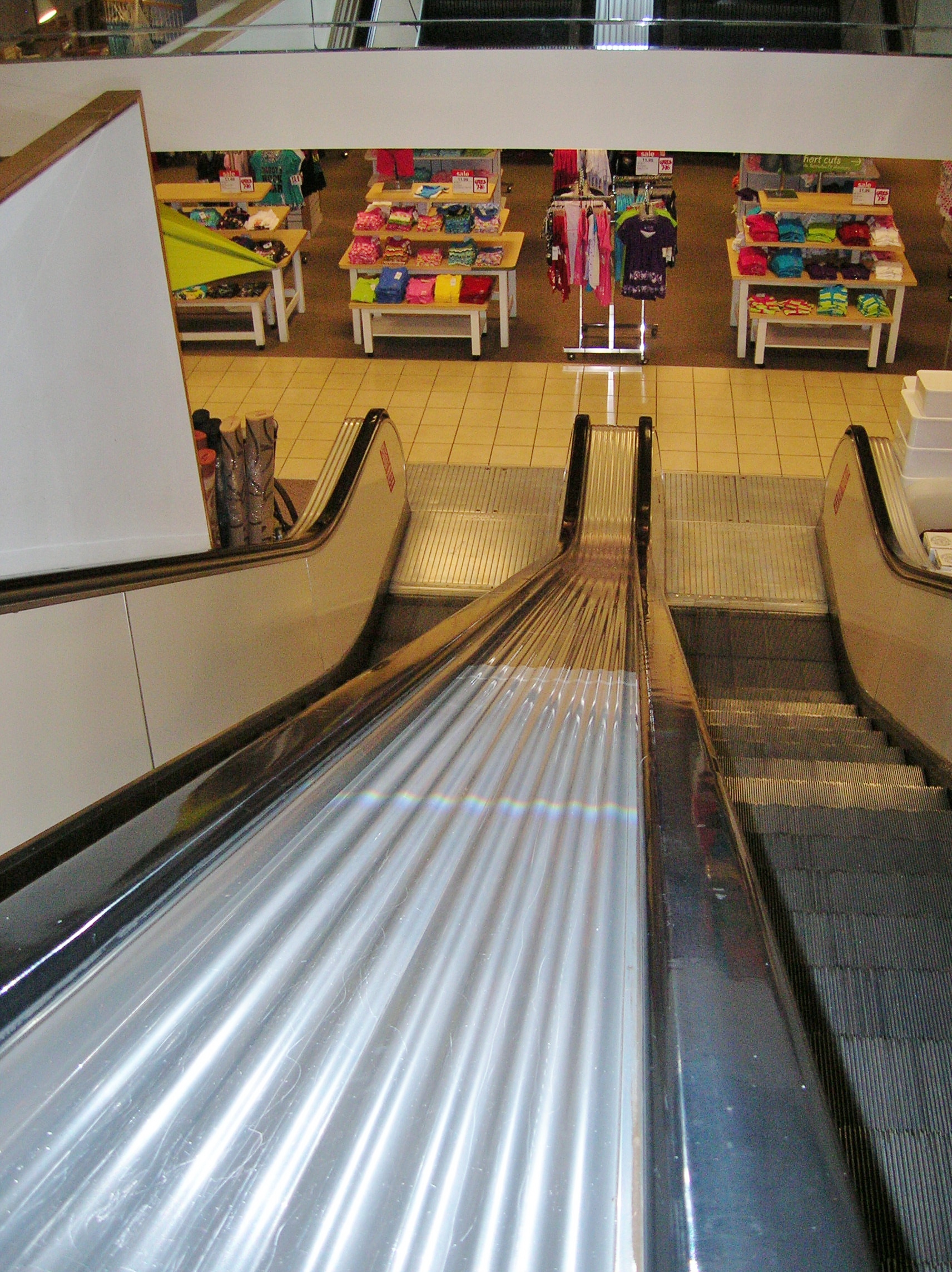
For shoppers, the new Cinemark was a modern theater anchor. For film fans, it was something more complicated and more emotional. The original Penney’s had not been just another department store. Because George A. Romero filmed major portions of Dawn of the Dead in Monroeville Mall, the old Penney’s space had become one of the property’s most recognizable movie-history sites. Fan documentation from the redevelopment period identified the Penney’s escalator and the “Flyboy” elevator as the two major points of interest inside the store, noting that the elevator area had changed over time but remained strongly associated with the film’s climactic sequence.
As the old Penney’s was gutted and redeveloped, part of that film history was saved. The most important preservation point for this milestone is the original JCPenney / Flyboy elevator. Later reporting and museum coverage confirm that the Living Dead Museum incorporated the elevator into its exhibits. WTAE described the museum as featuring “the original JCPenney elevator and escalator used in Dawn of the Dead,” while the Pittsburgh Post-Gazette/AP coverage quoted Kevin Kriess saying the revived Monroeville Mall museum would dig deeper into Dawn of the Dead with screen-used props and set pieces, including the original J.C. Penney’s “Flyboy elevator.”
The most precise evidence points to the elevator doors and related components being saved from the old Penney’s. Monroeville Zombies’ own artifact listings state that the group purchased and removed the actual elevator doors from JCPenney for a future zombie museum exhibit. That distinction matters: for the website, the best wording is that the Flyboy elevator, including original doors/components from the former JCPenney, was salvaged and later displayed by the Living Dead Museum, rather than implying that the entire functioning elevator system was moved intact.
This makes 2013 especially important in the mall’s historical arc. On one level, it was the year the original Penney’s footprint became a new commercial anchor: Cinemark upstairs, new retail activity around the former department-store shell, and a renewed reason for visitors to come to the mall in the evening. On another level, it was the year the old Penney’s finally ceased to exist as a recognizable department store — forcing fans, collectors, and preservation-minded locals to decide what pieces of the mall’s film history could still be saved before redevelopment erased the original setting.
That tension gives the milestone its meaning. 2013 was not simply the year Cinemark opened. It was the year Monroeville Mall converted a landmark retail space into a modern entertainment anchor while pieces of its cinematic past were rescued from demolition. The old Penney’s disappeared as a store, but its memory survived in two forms: as a new theater that restored moviegoing to the mall, and as preserved Dawn of the Dead artifacts — especially the Flyboy elevator — that later became part of the Living Dead Museum’s public interpretation of the mall’s horror-film legacy.