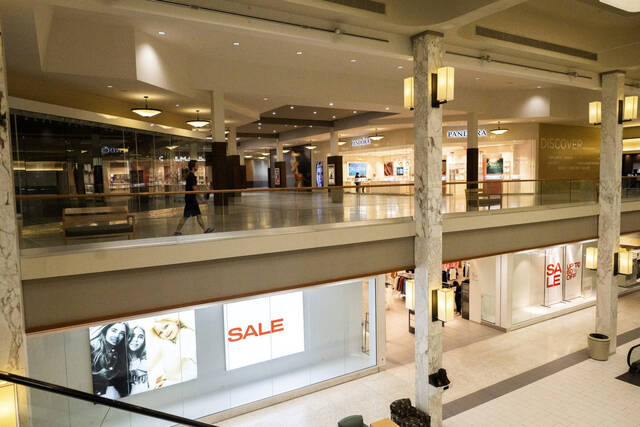
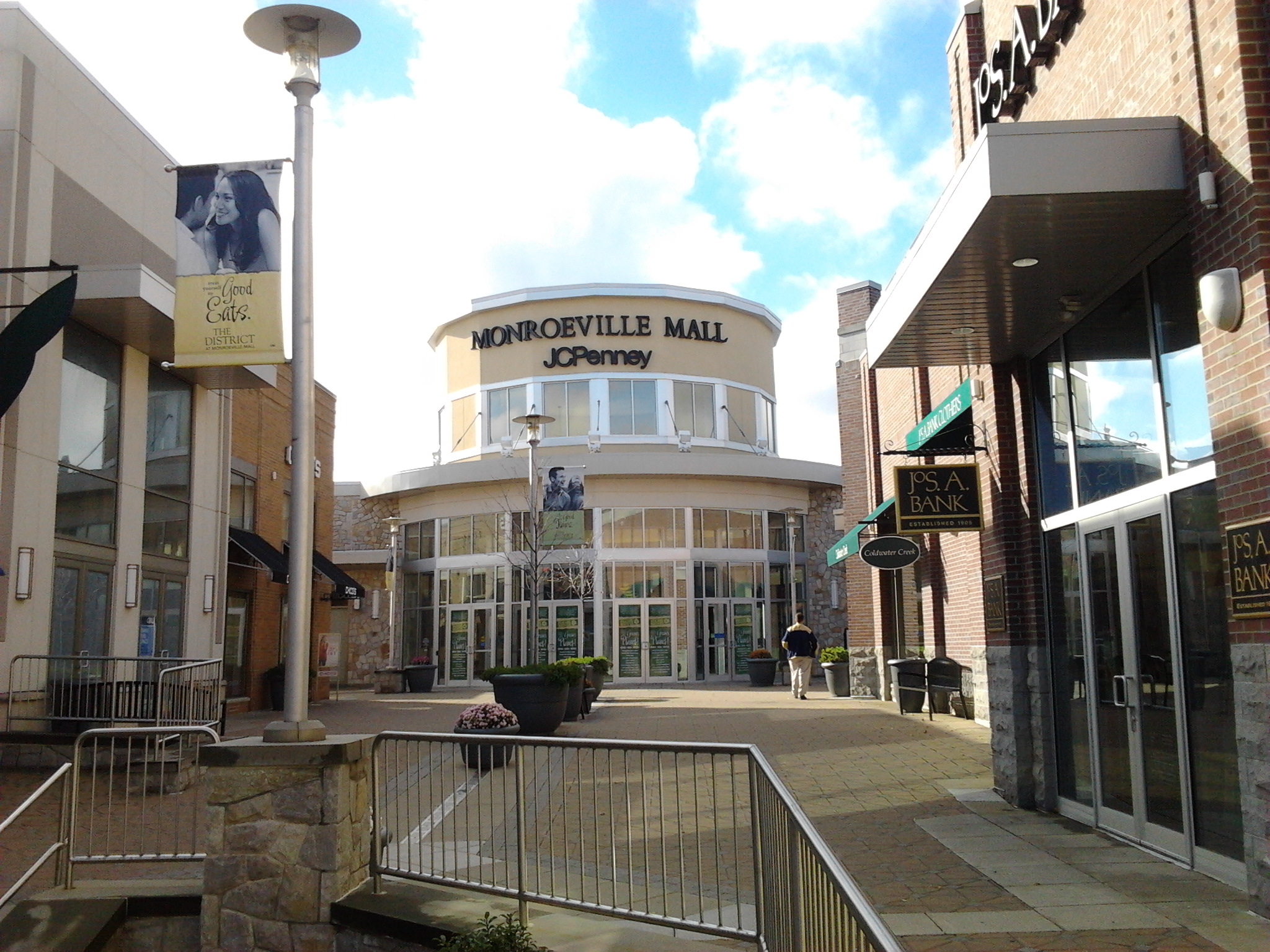
The year 2020 was one of the most consequential years in Monroeville Mall’s modern history, not because of a single redevelopment project or new anchor opening, but because the entire operating model of the enclosed regional mall was placed under sudden stress. The COVID-19 pandemic forced retailers, restaurants, theaters, and gathering spaces across Pennsylvania into emergency restrictions, sharply reducing foot traffic and interrupting normal rent collection. CBL Properties later described the pandemic’s effect on its portfolio in direct terms: many tenants temporarily closed, reduced hours, sought rent relief, or failed to pay rent during the crisis.
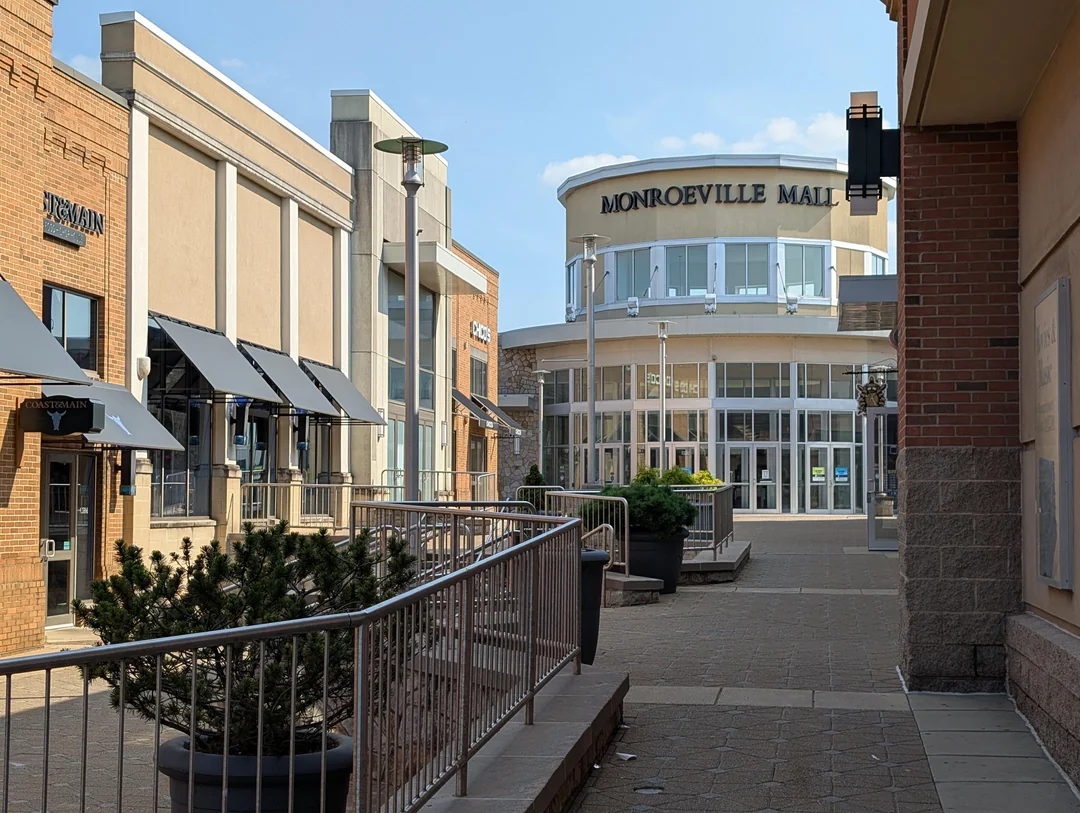
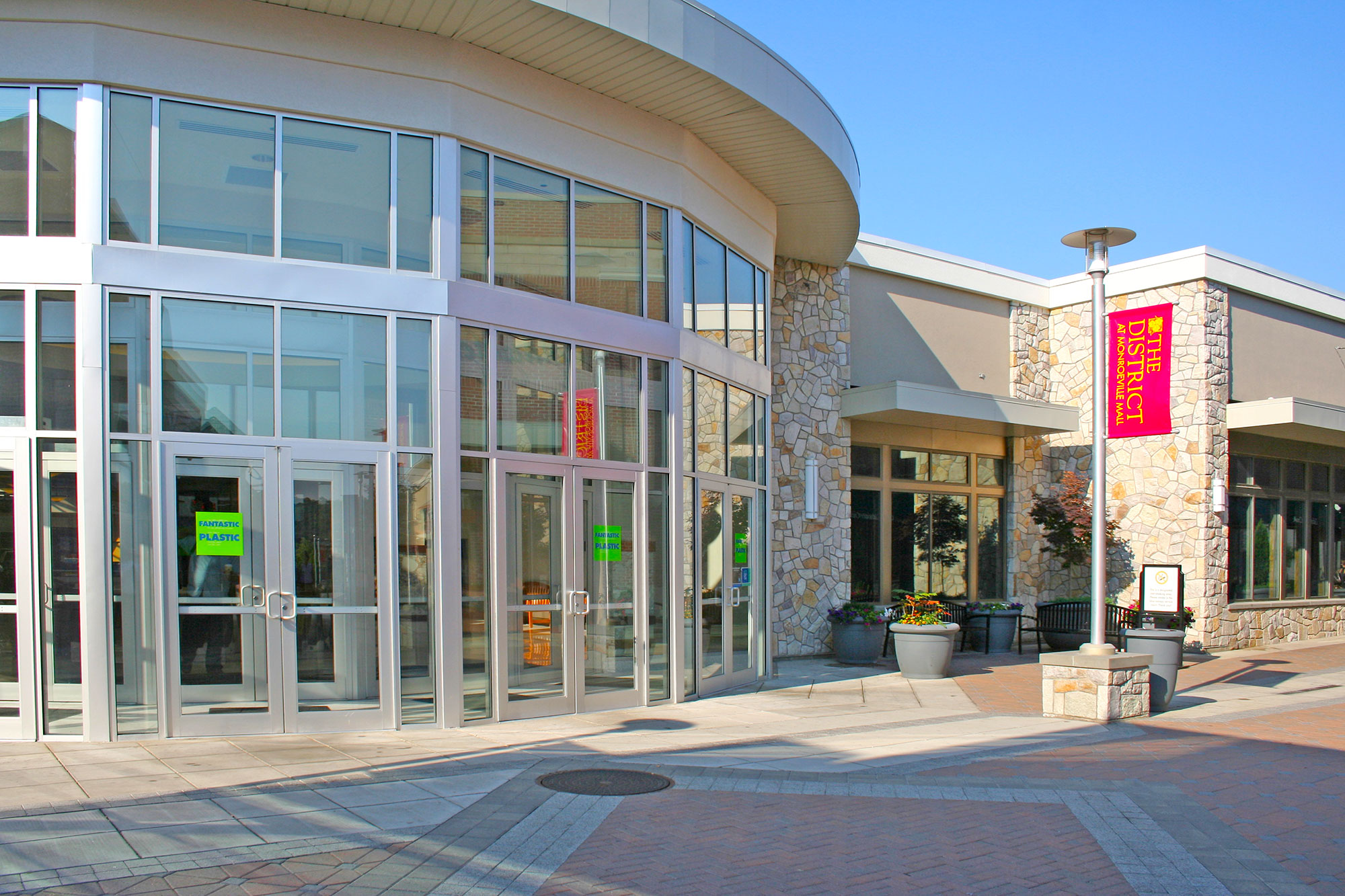
At the start of this period, Monroeville Mall was still one of CBL’s significant Pennsylvania properties. In CBL’s 2020 annual report, the mall was listed as a 100%-owned property in the Pittsburgh market, originally opened in 1969 and acquired by CBL in 2004. The report listed the center at 985,073 total square feet, with 446,576 square feet of mall-store gross leasable area, and an 82% mall-store leased rate. Its anchor and junior-anchor roster included Barnes & Noble, Cinemark, Dick’s Sporting Goods, Forever 21, H&M, JCPenney, and Macy’s. Because COVID closures disrupted normal tenant reporting, CBL noted that it relied on 2019 sales figures for many properties rather than full 2020 sales reporting.
The financial impact became visible in CBL’s accounting before the company’s bankruptcy filing. In March 2020, CBL recorded a major impairment tied to Monroeville Mall, writing down the property by approximately $107.1 million and assigning it a fair value of approximately $67 million. CBL attributed the impairment to reduced projected cash flows, including the effects of store closures and rent reductions, and used a discounted cash-flow analysis to value the property. This made 2020 not only a year of operational disruption, but also a year when Monroeville Mall’s balance-sheet value was formally reset.
The year’s defining ownership event came on November 1, 2020, when CBL and related debtors filed for Chapter 11 bankruptcy protection. News coverage emphasized that CBL operated properties including Monroeville Mall and Westmoreland Mall, and that the malls were expected to remain open while the company moved through the restructuring process. CBL’s own annual report similarly stated that the company continued operating as a debtor-in-possession under court authority, allowing ordinary-course business operations to continue during the bankruptcy case.
Even amid the financial and public-health crisis, Monroeville Mall remained a community landmark. In 2020, JCPenney entered Chapter 11 and initially placed several Pittsburgh-area locations, including Monroeville Mall, on a closure list before later removing the Monroeville store from that list. This was historically significant because JCPenney had been central to the mall’s story since the original Penney’s footprint and later relocation.
The mall’s entertainment and cultural roles also adapted to pandemic conditions. Cinemark Monroeville Mall was among the regional Cinemark locations set to reopen on August 21, 2020, after theaters had been closed since March because of COVID-19. Reopening was tied to new safety measures, including face-covering requirements and modified operations.
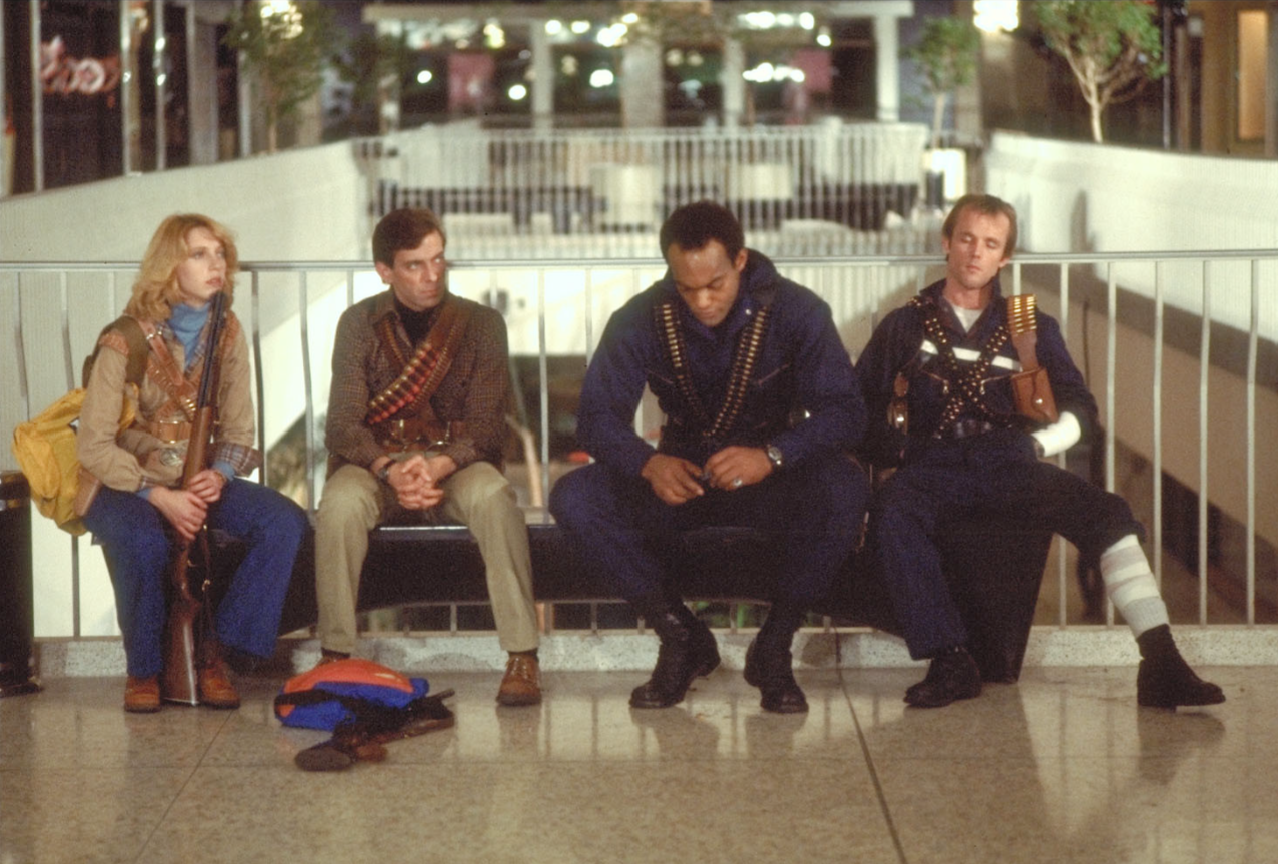
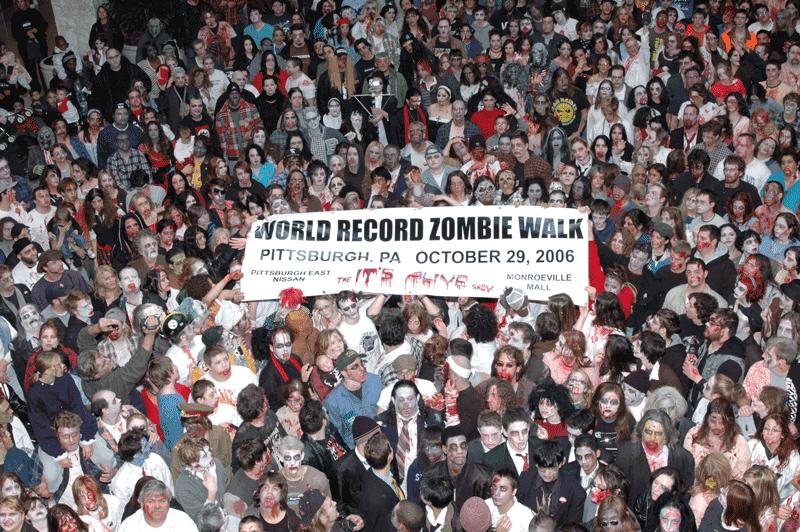
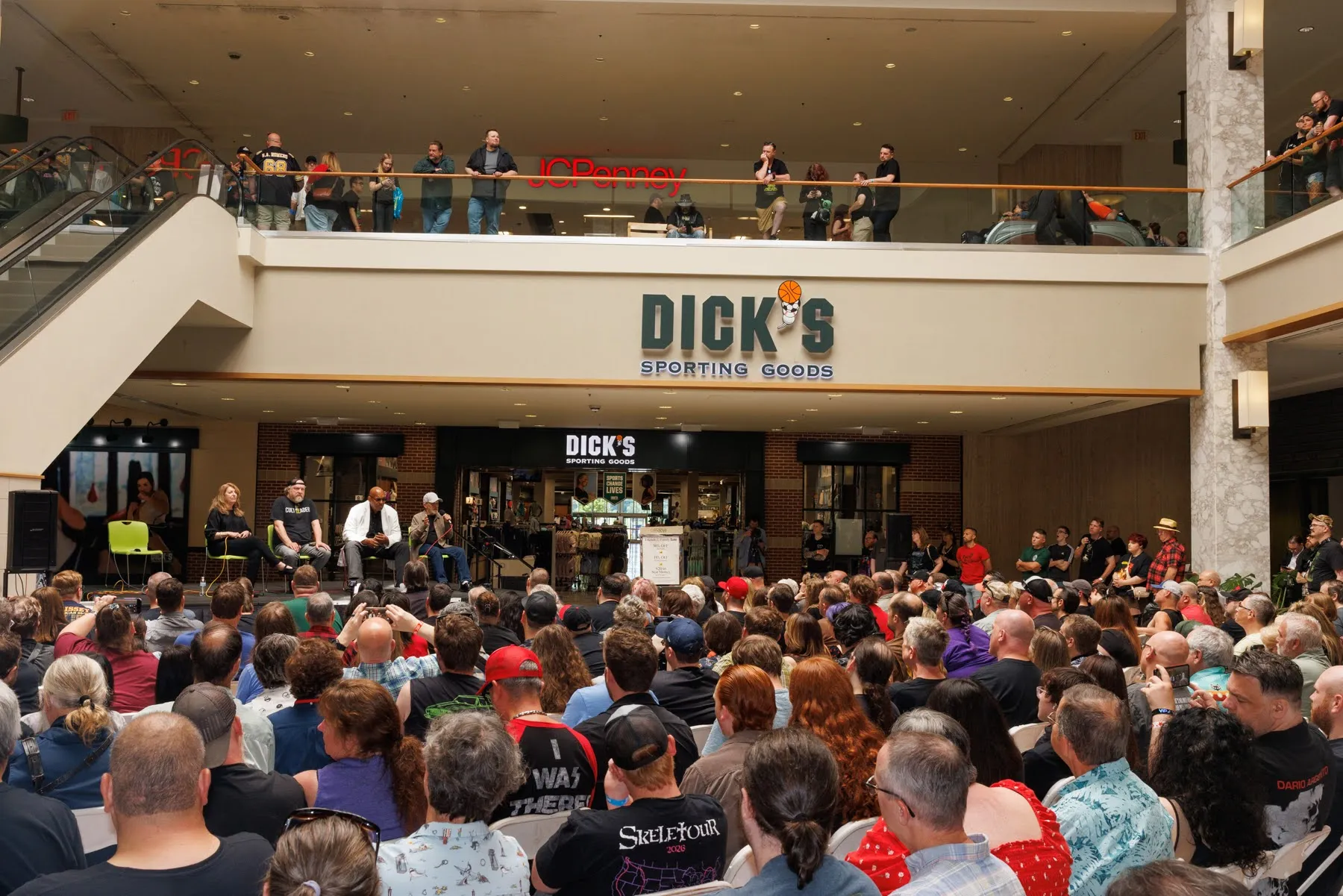
The mall’s long association with Dawn of the Dead also continued, but in altered form. The regular multi-day Living Dead Weekend was postponed, yet organizers created a one-day “Cover-Your-Face Zombie Marketplace” at Monroeville Mall on November 7, 2020. The event used the mall parking lot and safety protocols such as masking and distancing, while preserving the mall’s role as a pilgrimage site for Romero fans. The official event page also tied the weekend to the Living Dead Museum gift shop’s grand opening at the mall.
The holiday season underscored how different 2020 had become. Monroeville Mall and Westmoreland Mall announced they would be closed on Thanksgiving Day, November 26, 2020, with Black Friday reopening plans modified around pandemic-era retail conditions. The closure did not necessarily apply to Cinemark or exterior-entrance tenants, but it showed how the usual holiday shopping calendar had been rewritten by the crisis.
Monroeville Mall also served as a civic space during the pandemic year. TribLive’s 2020 Monroeville year-in-review noted that Gateway High School held a drive-through graduation ceremony for 233 seniors in the Monroeville Mall parking lot, turning the mall’s large exterior site into a socially distanced community venue.
2020 is a turning-point year: the mall did not disappear, and it did not stop functioning, but nearly every assumption behind its business model was tested at once. The pandemic interrupted daily commerce. National retailers entered bankruptcy or restructured store fleets. The cinema business went dark and then cautiously reopened. Fan culture survived through scaled-down outdoor events. And CBL’s bankruptcy reset the financial runway for the property’s next chapter. In the mall’s long history, 2020 stands as the year when Monroeville Mall moved from late-era regional retail center into a new period defined by restructuring, adaptation, and uncertain reinvention.