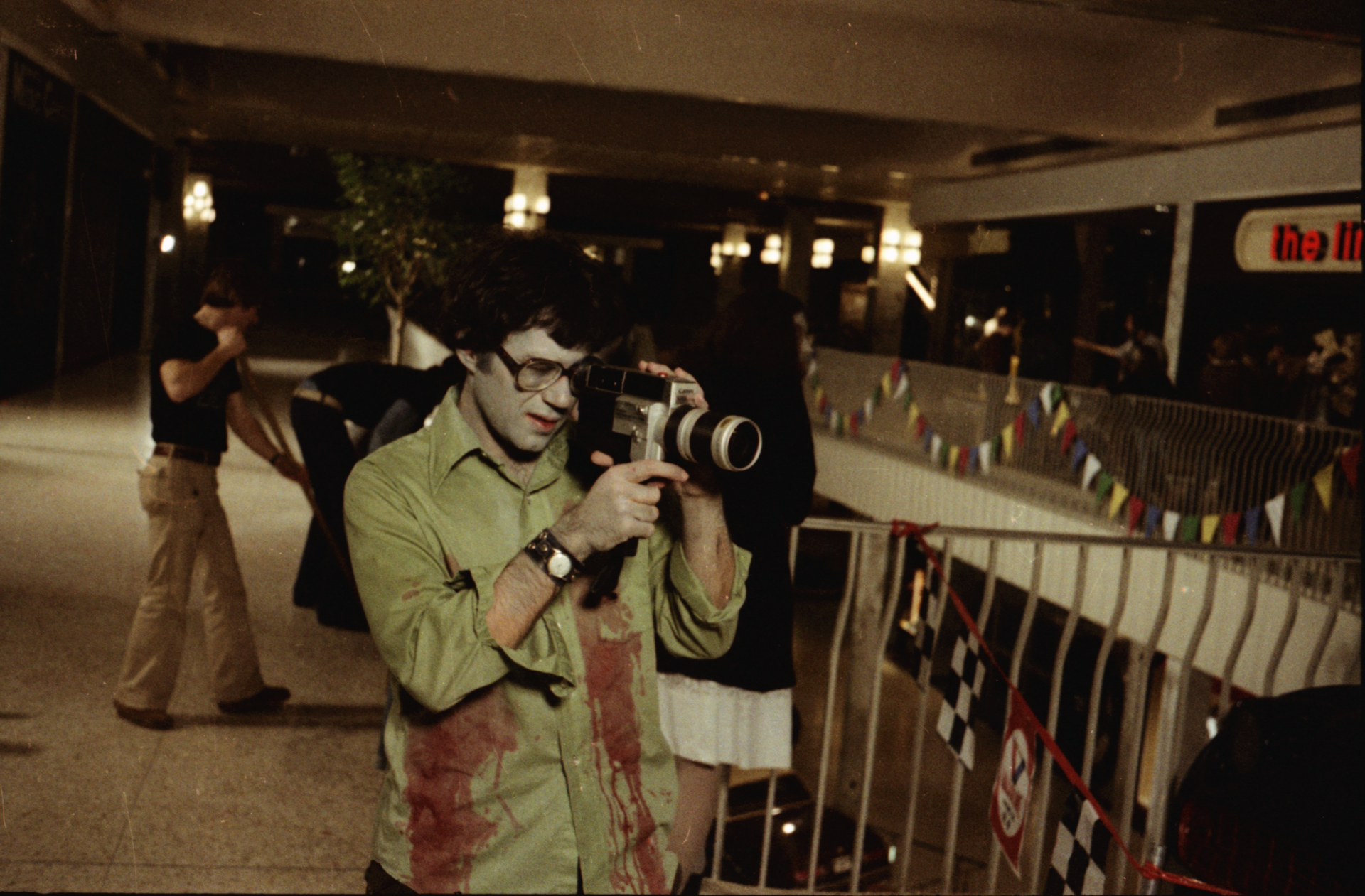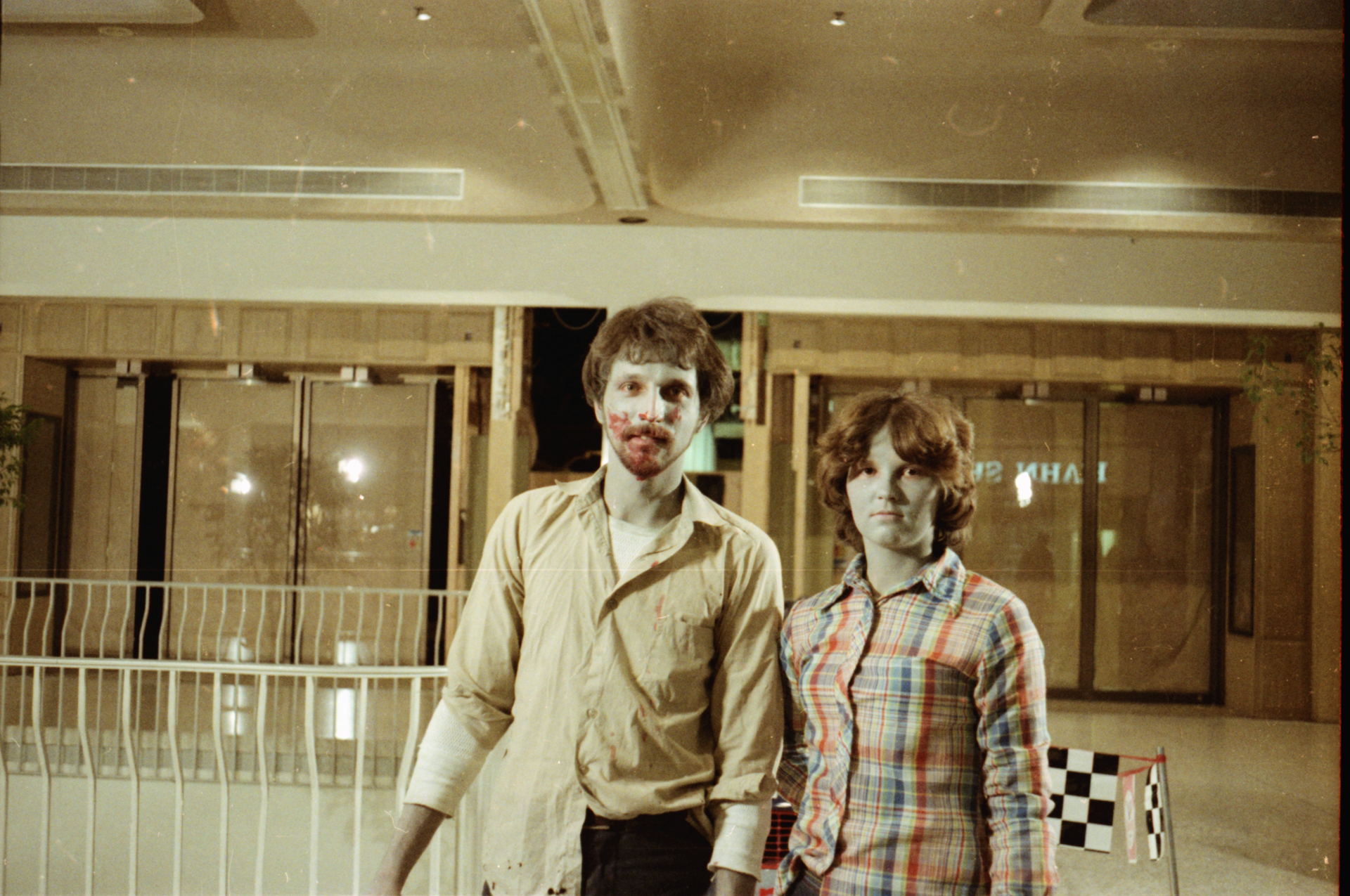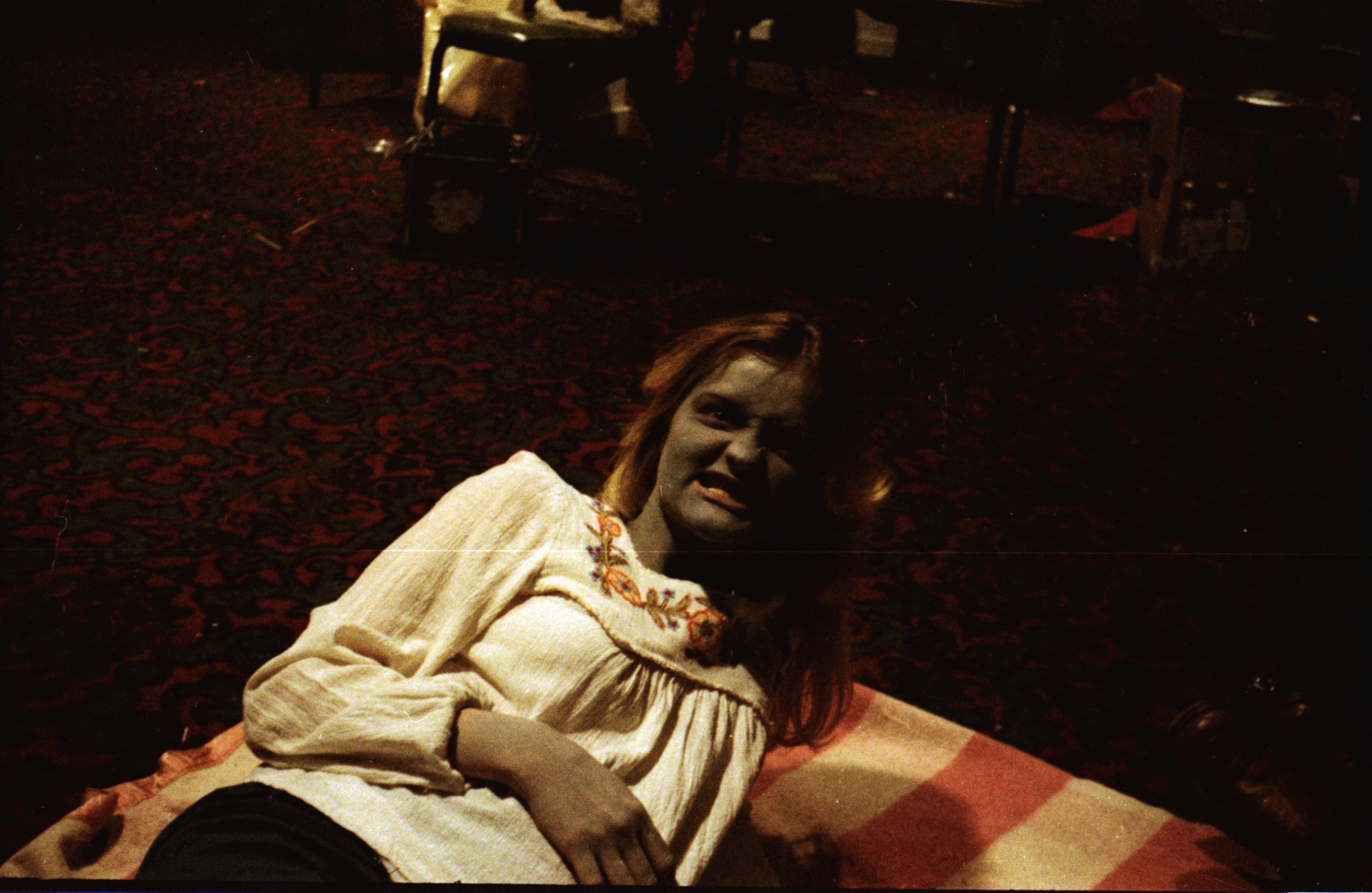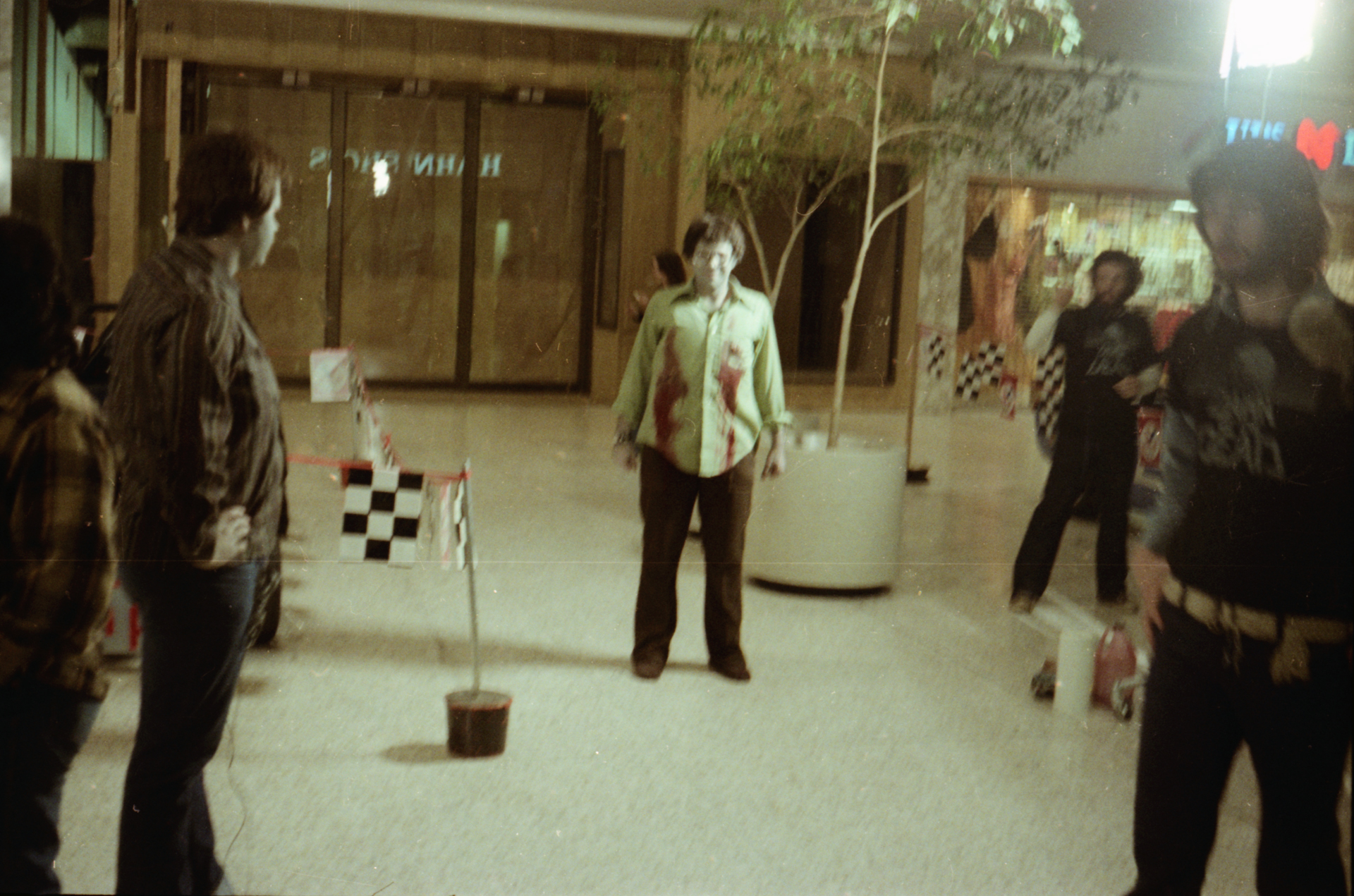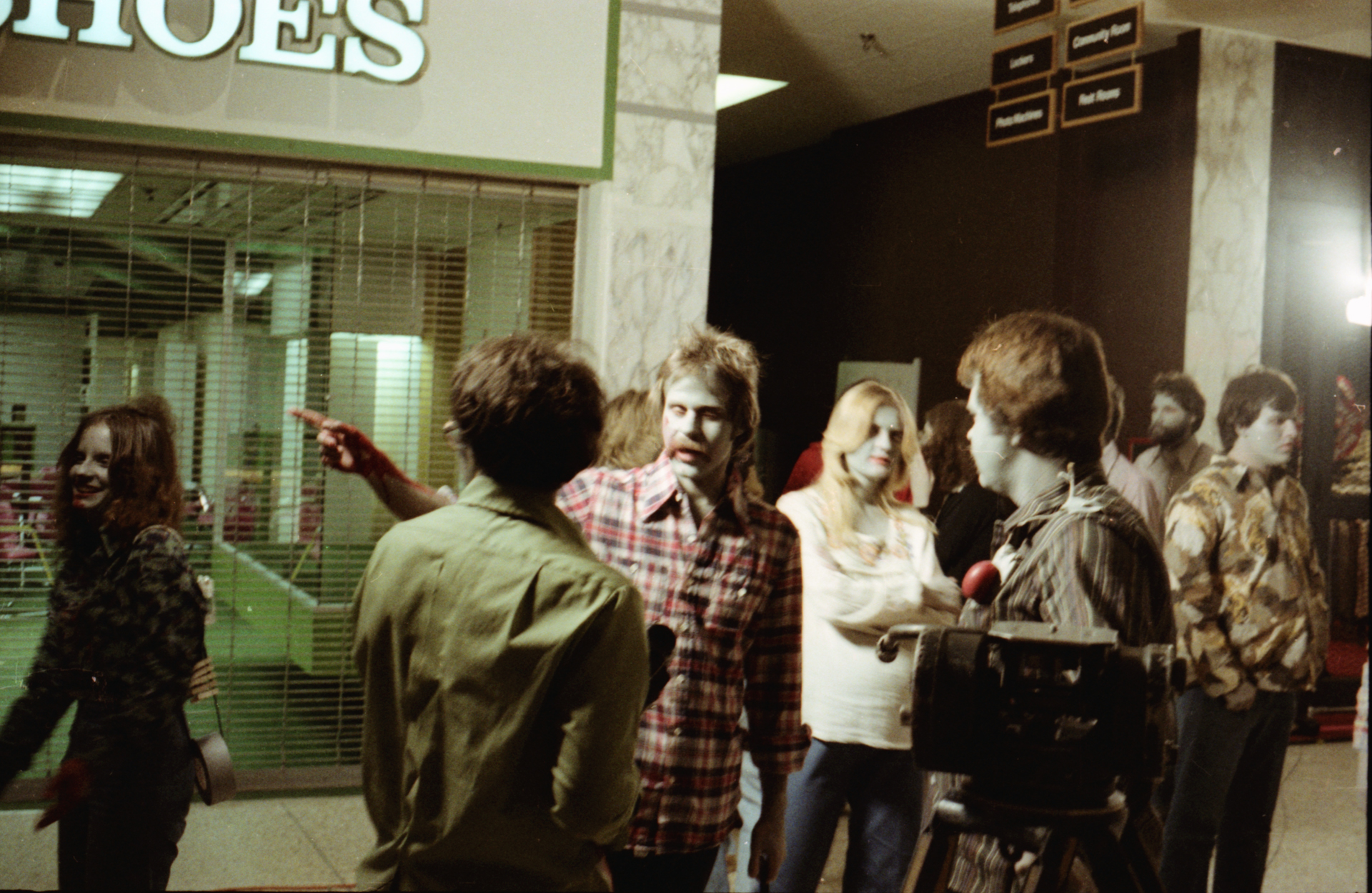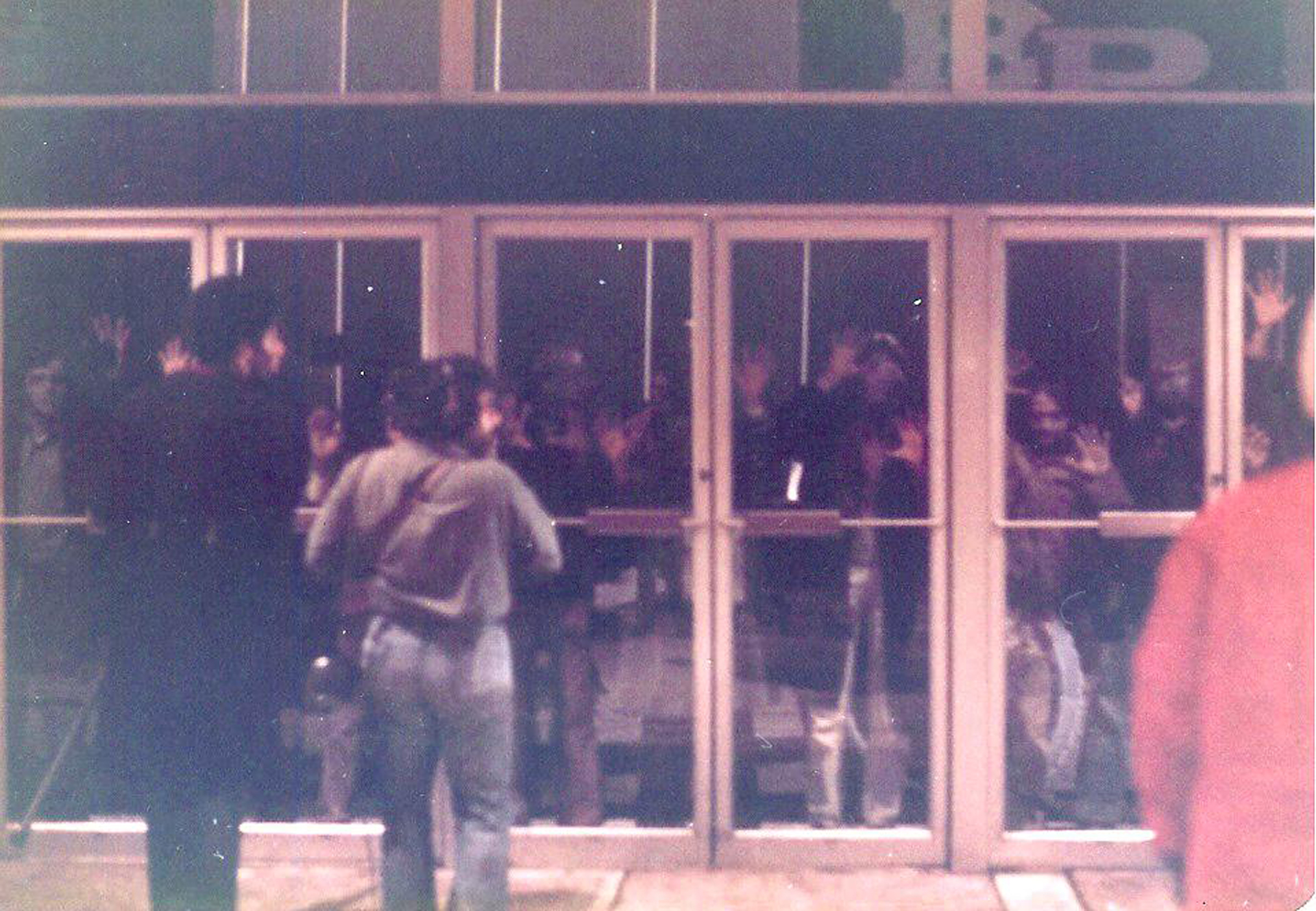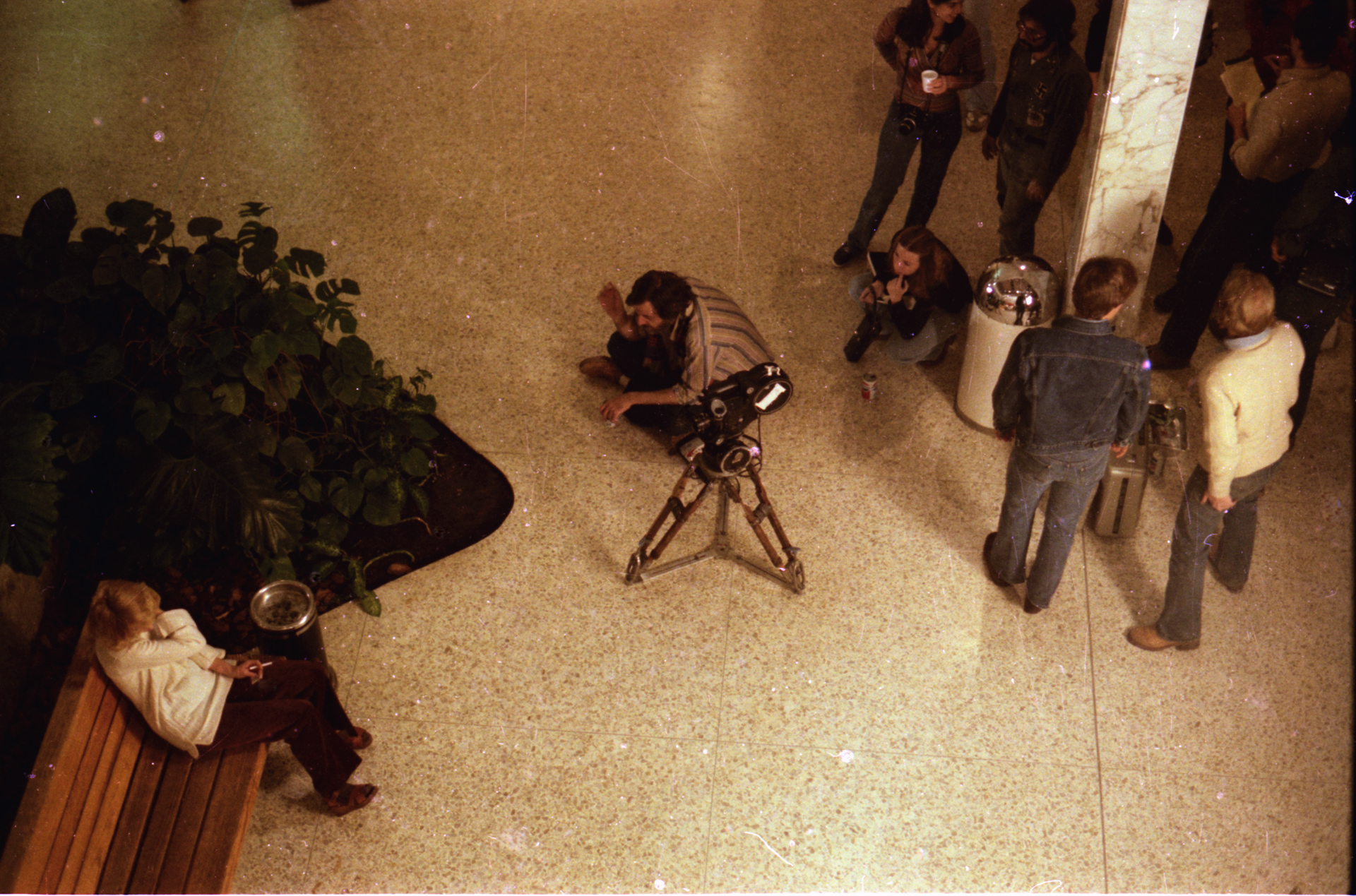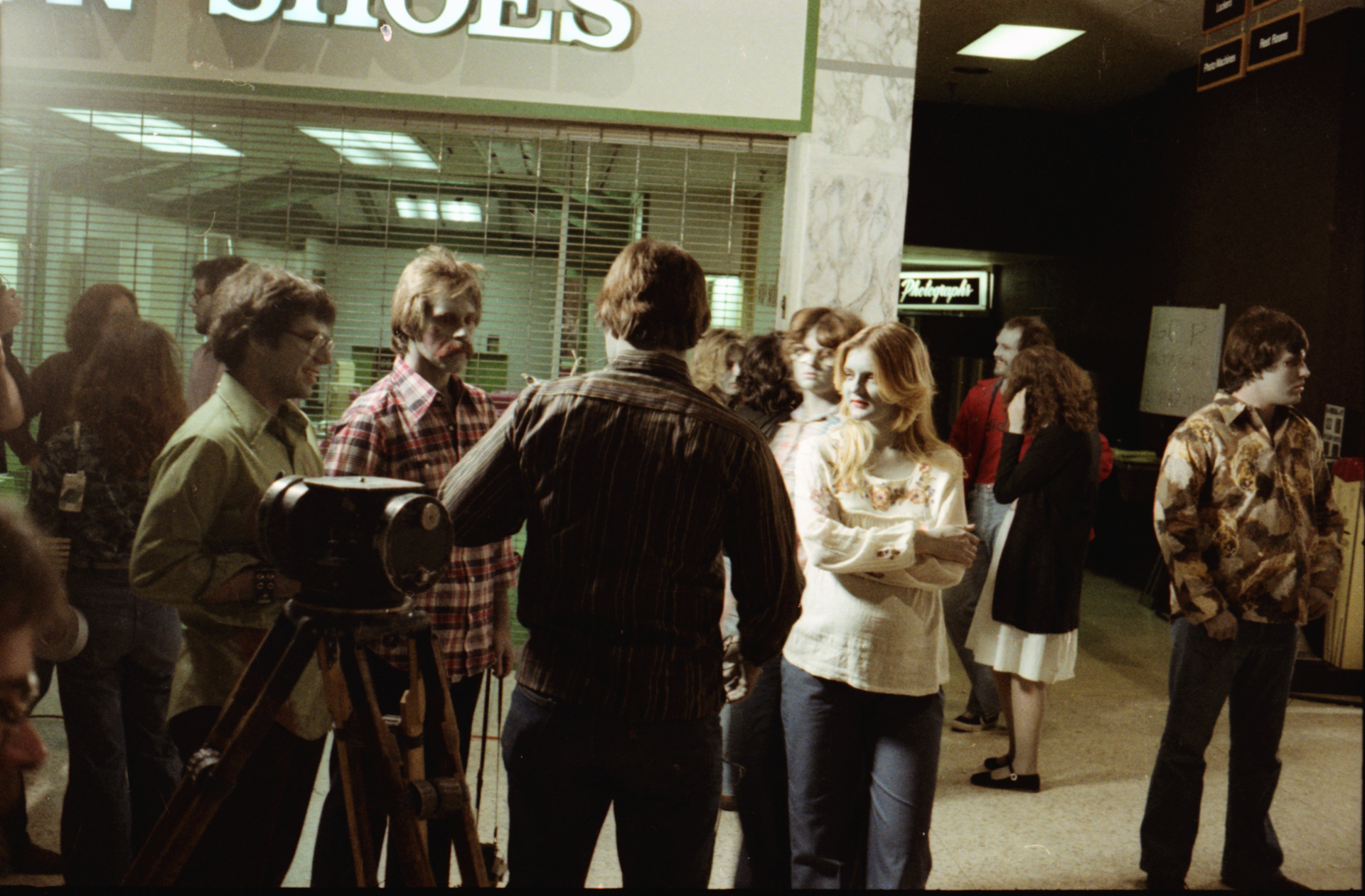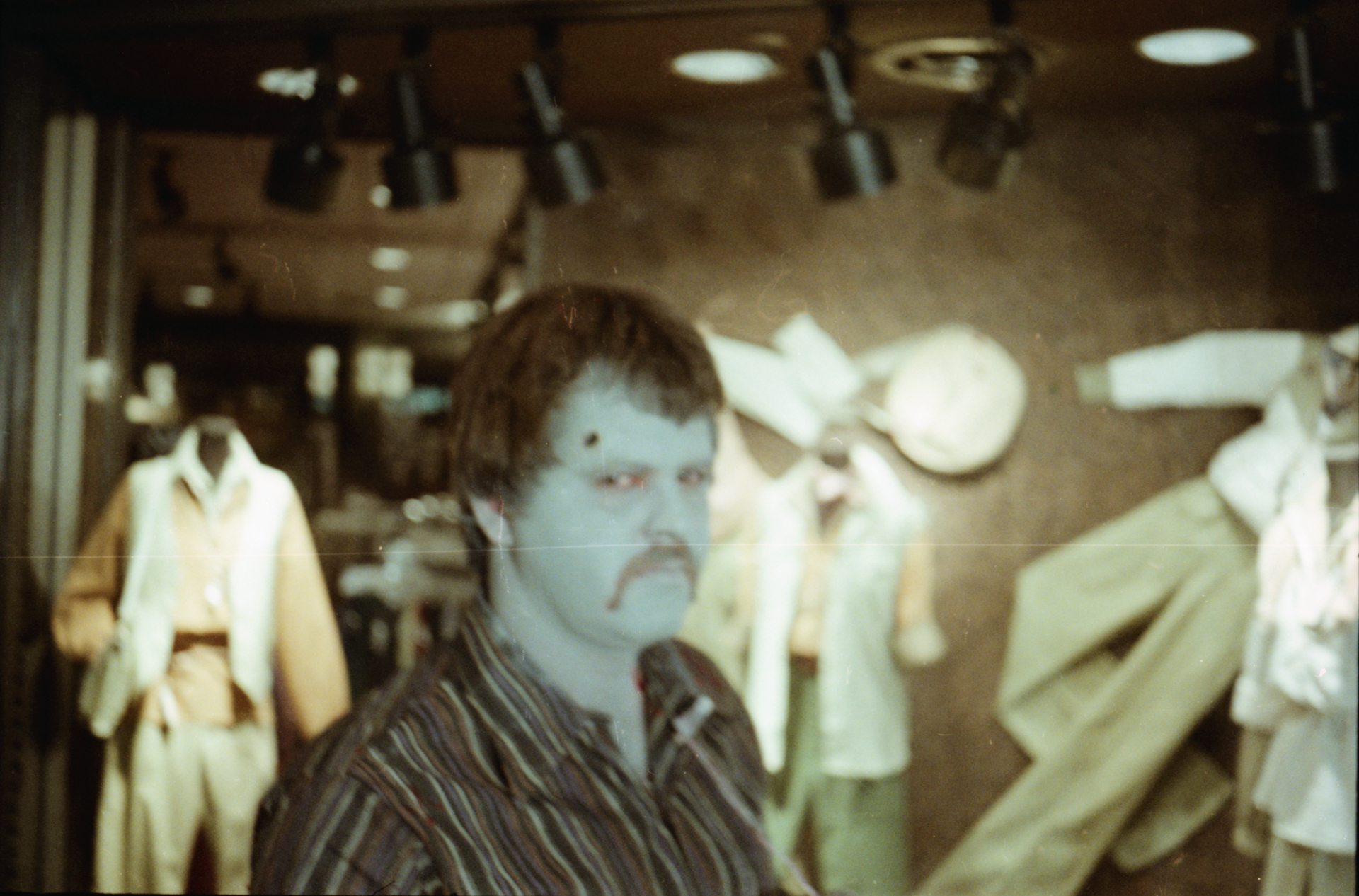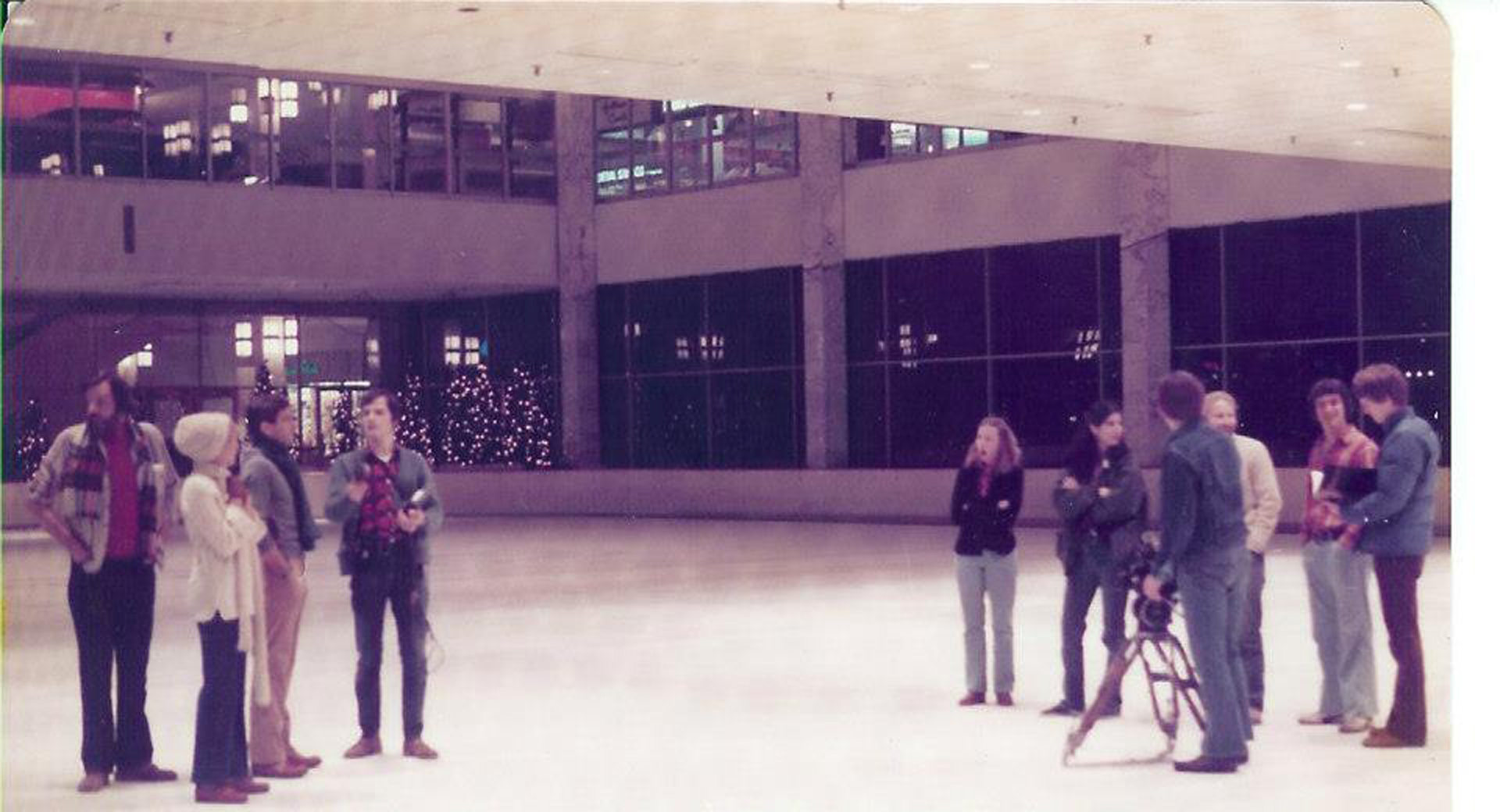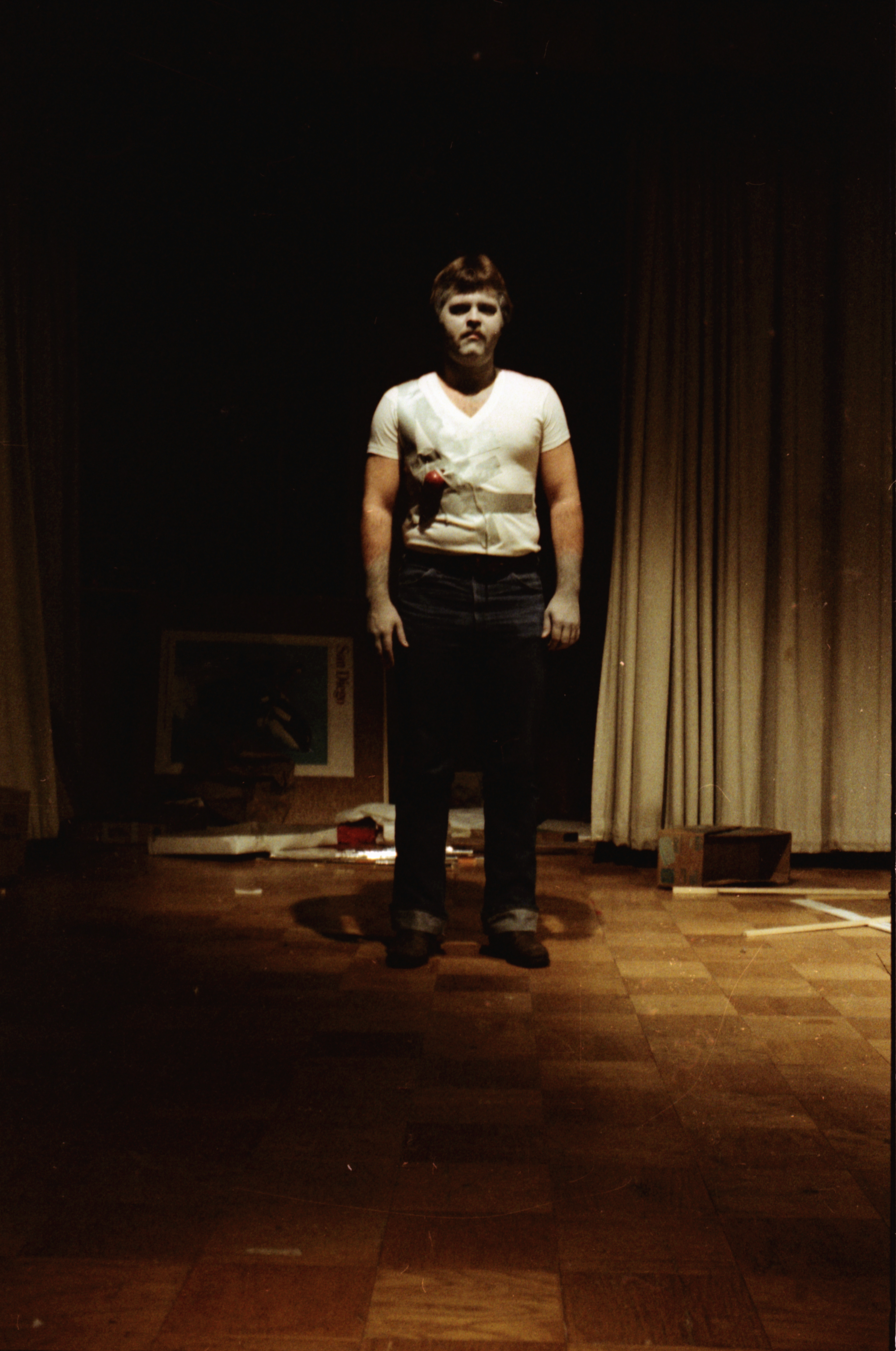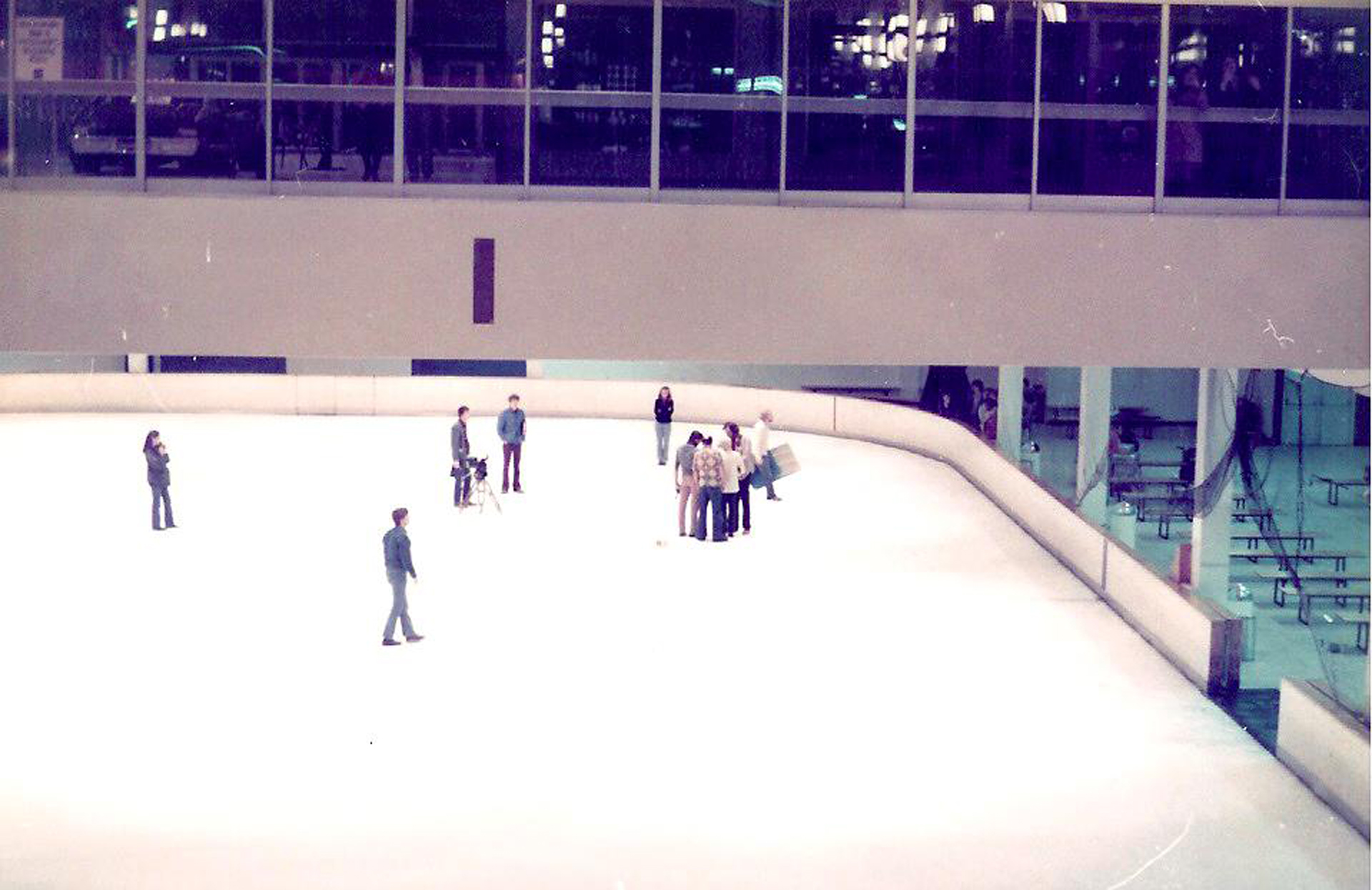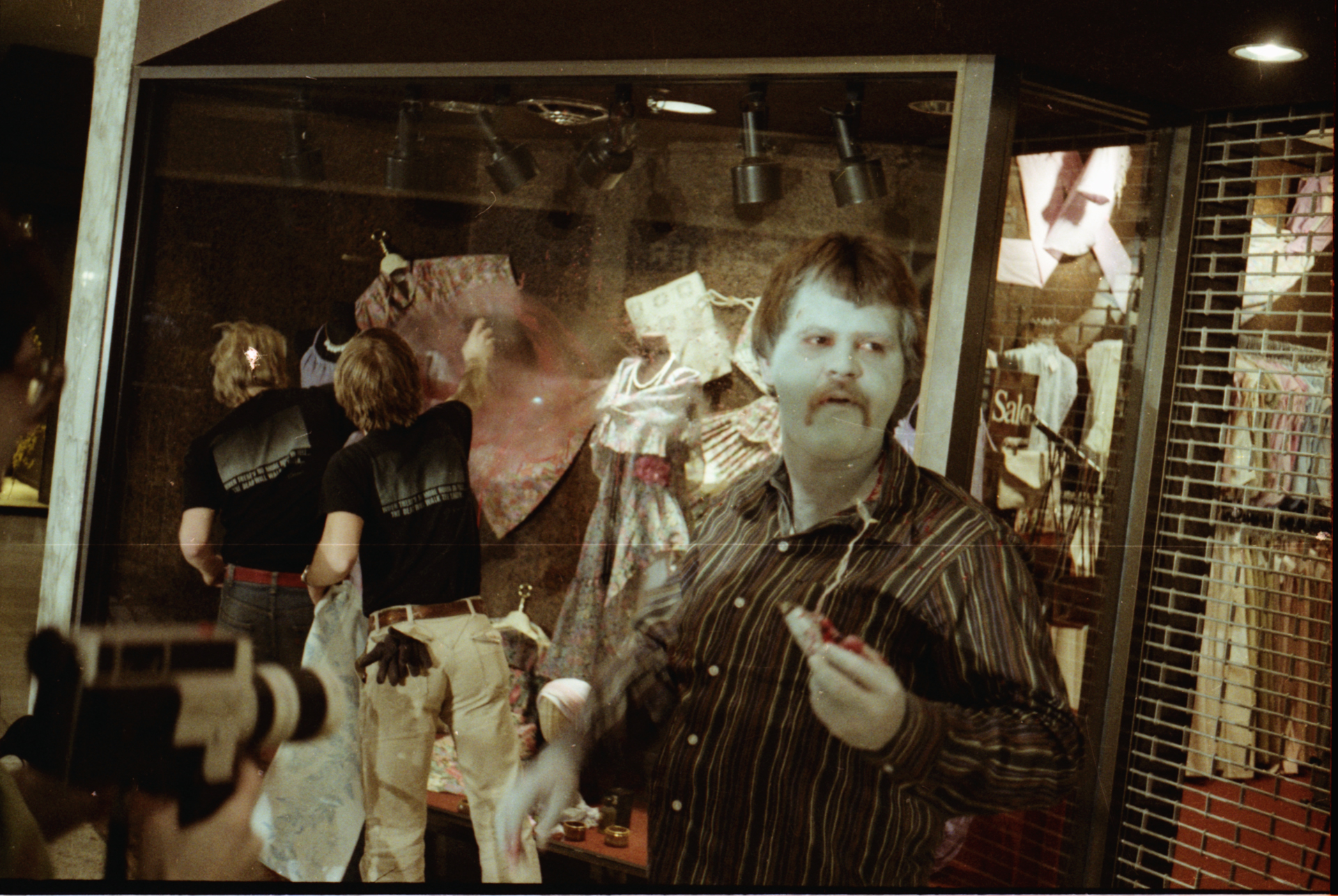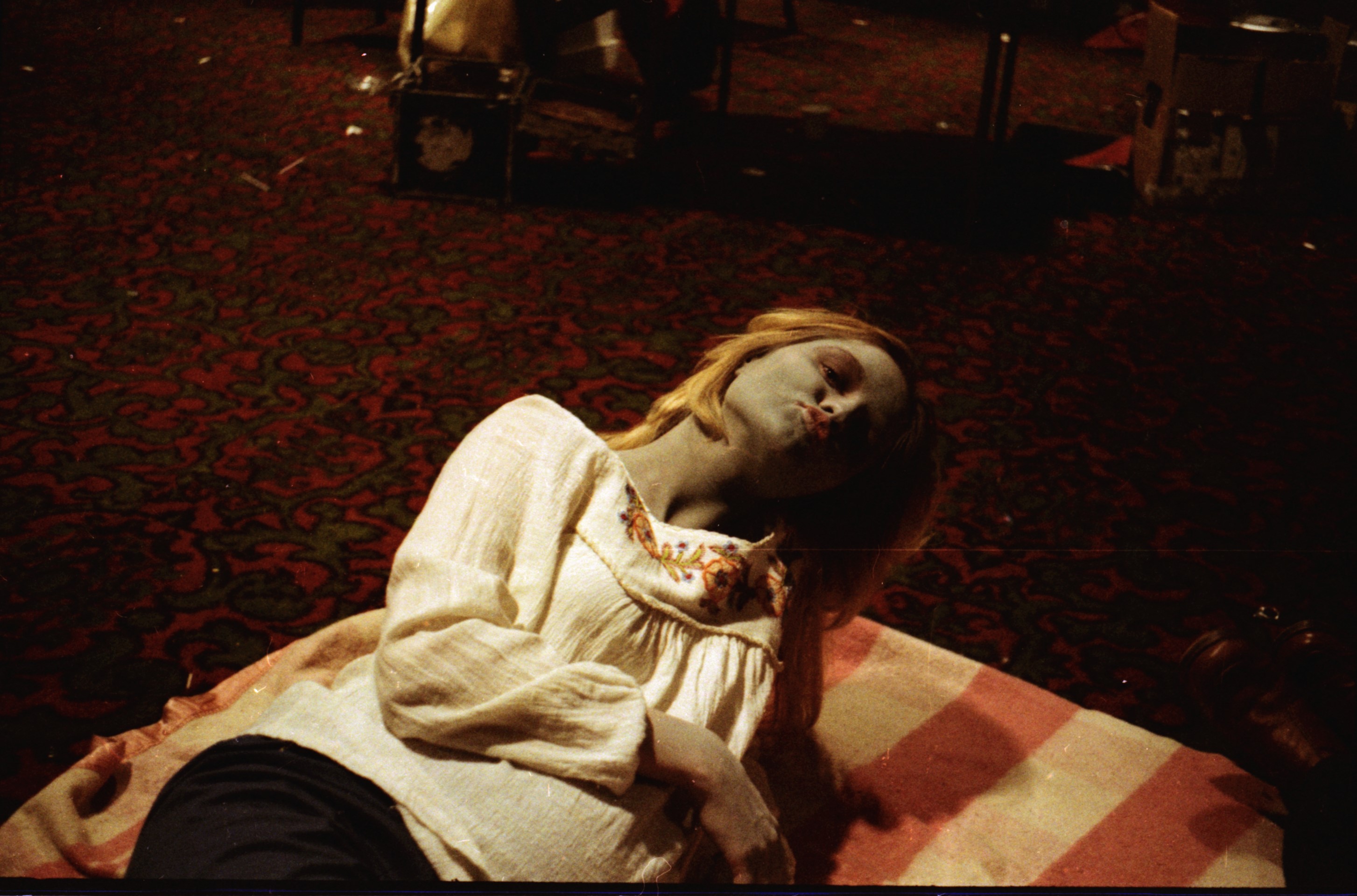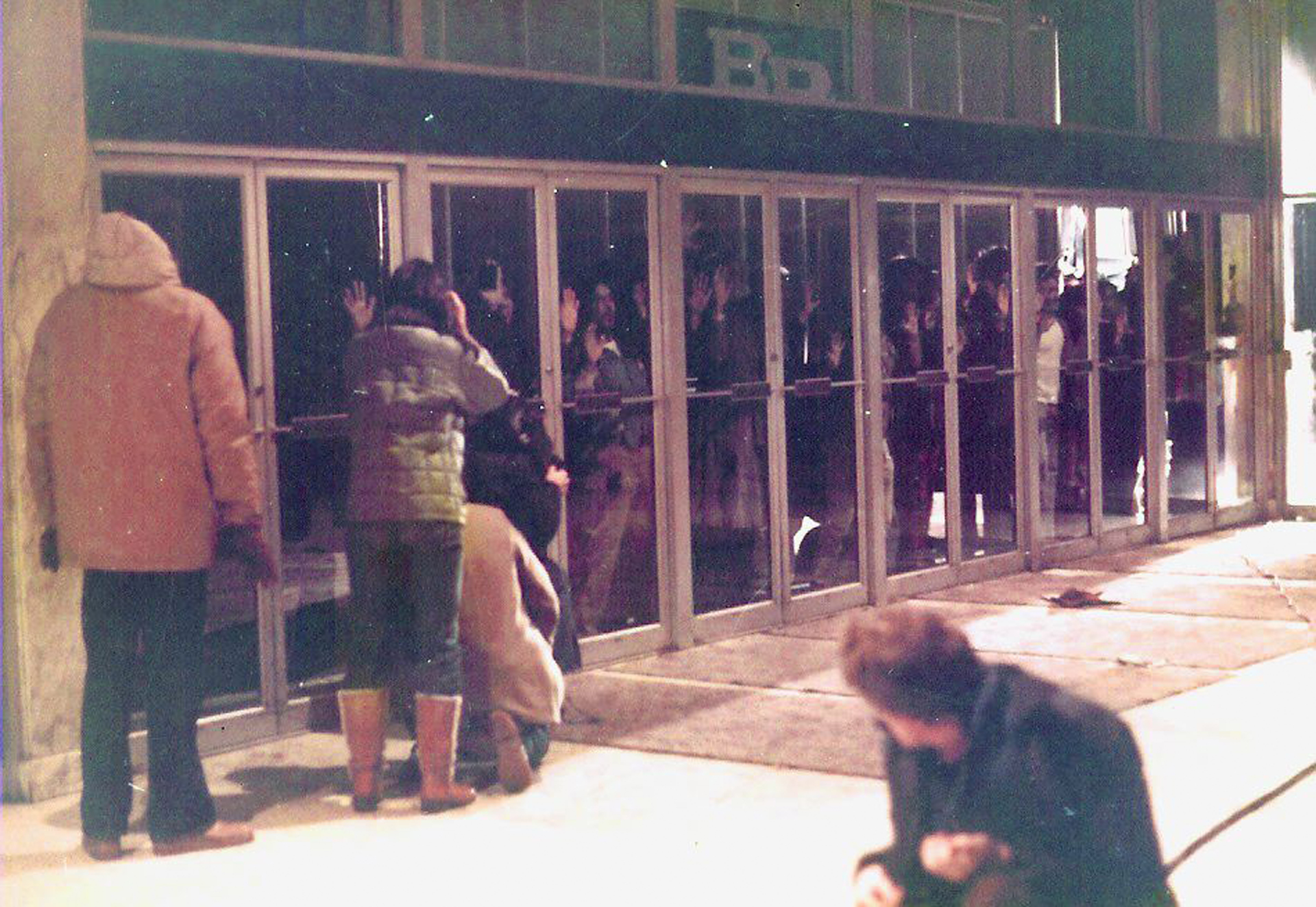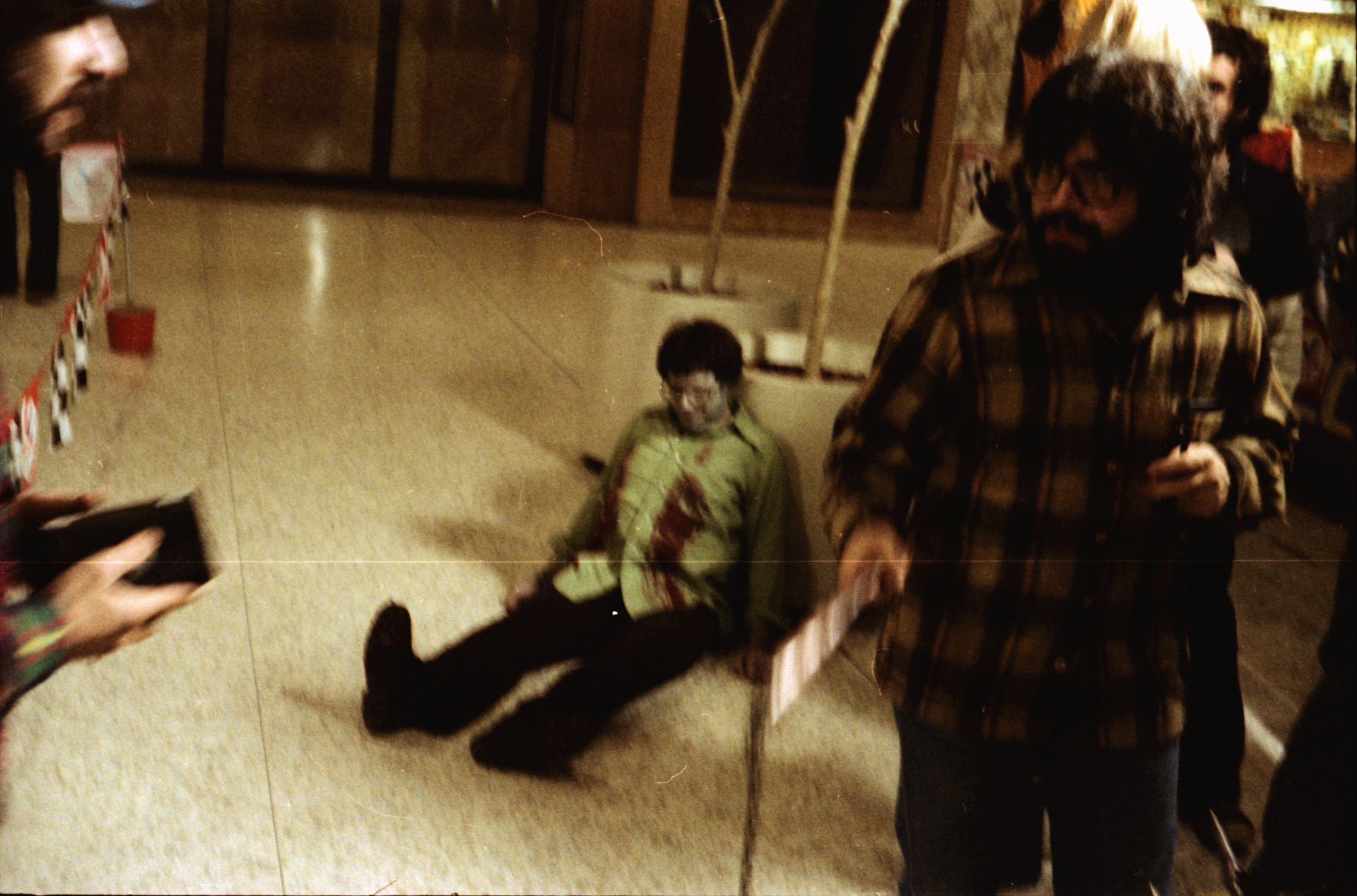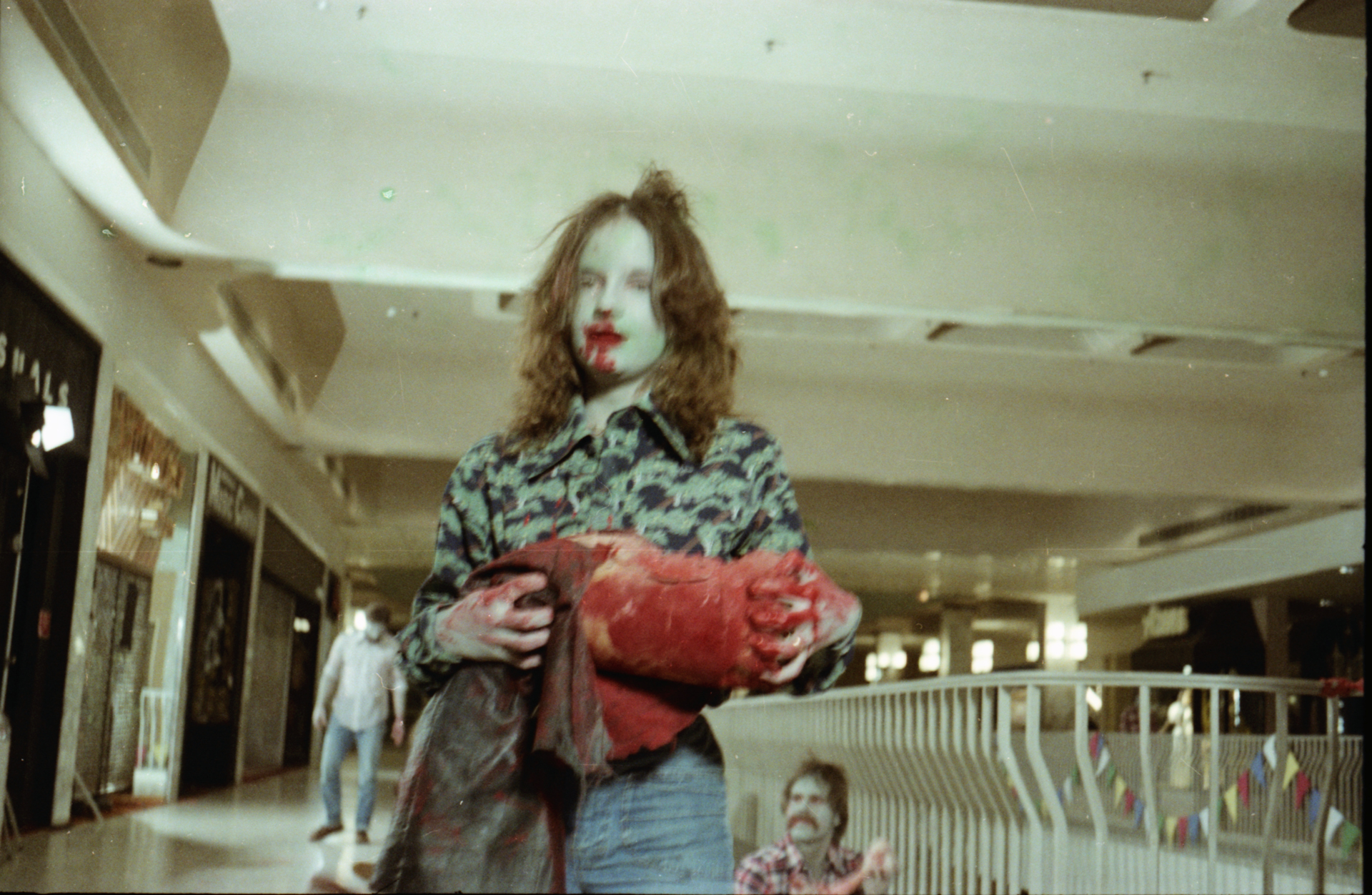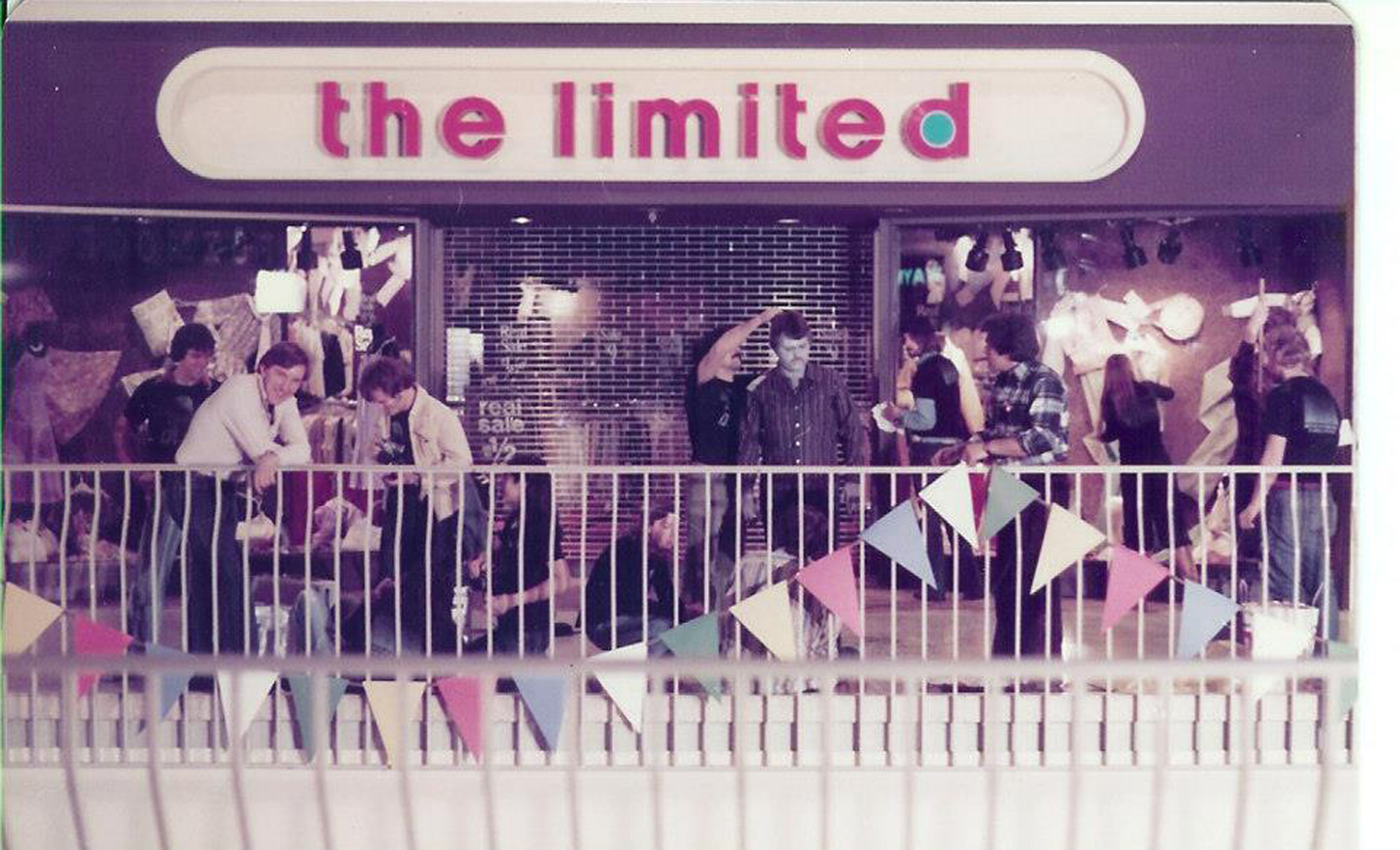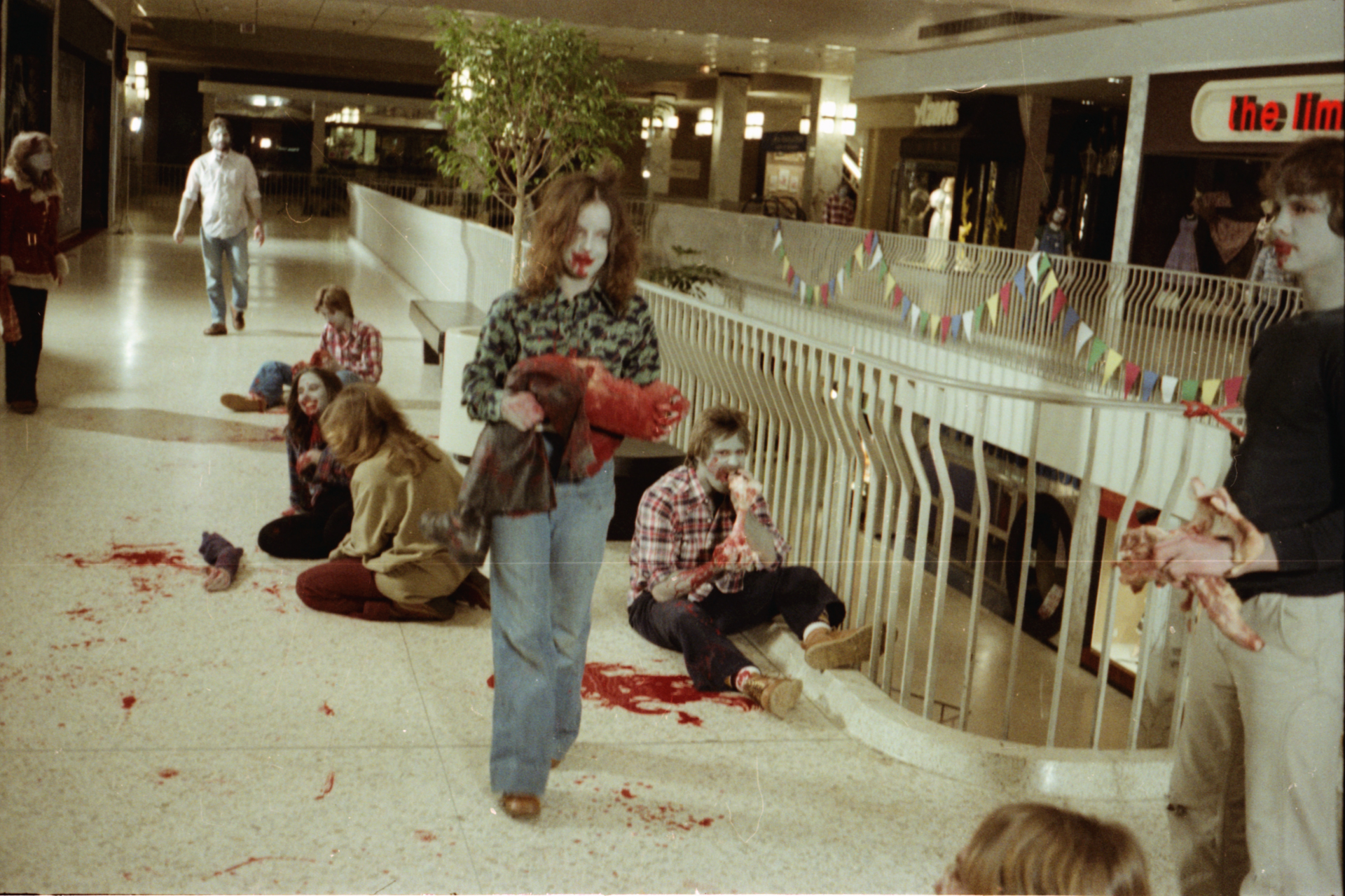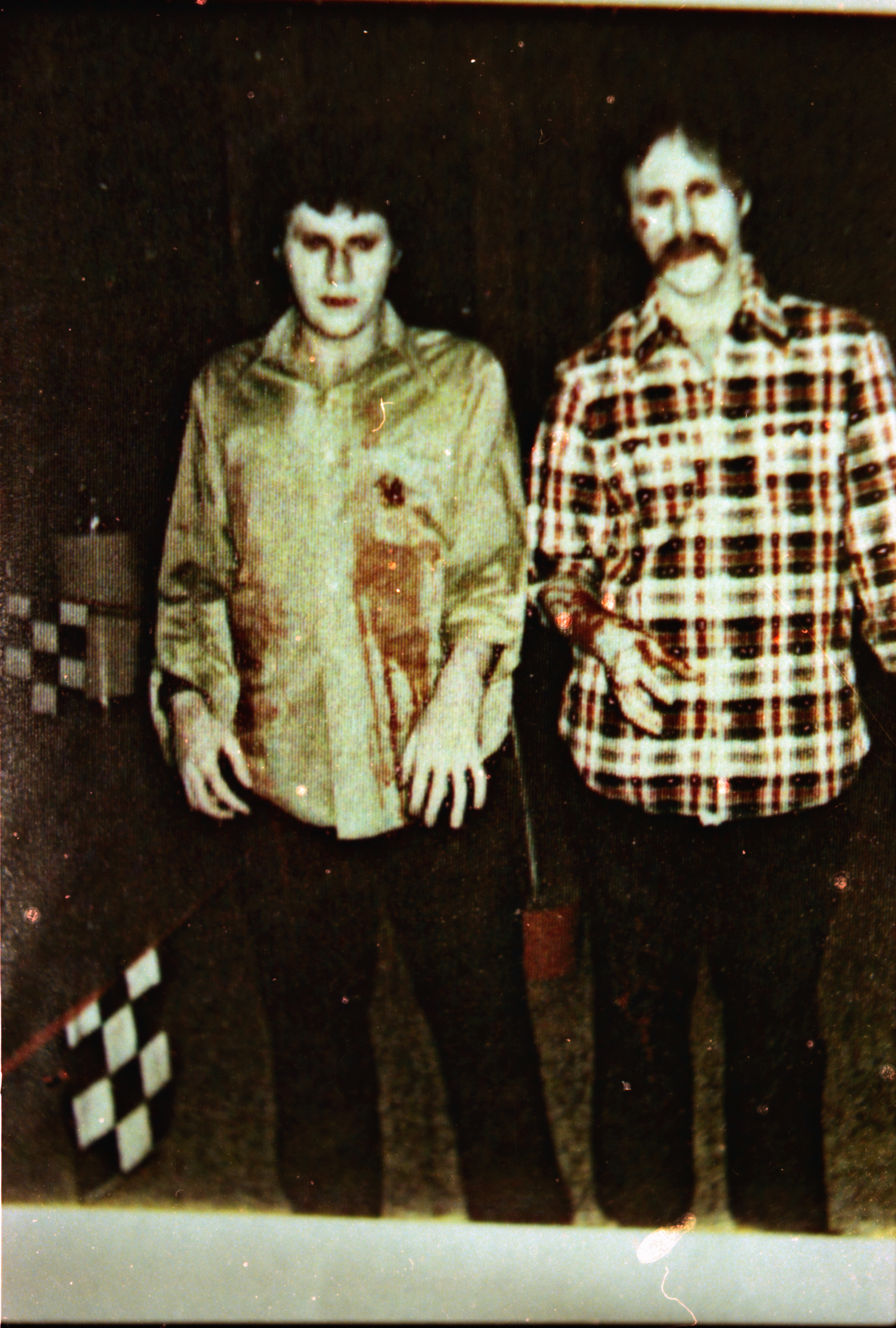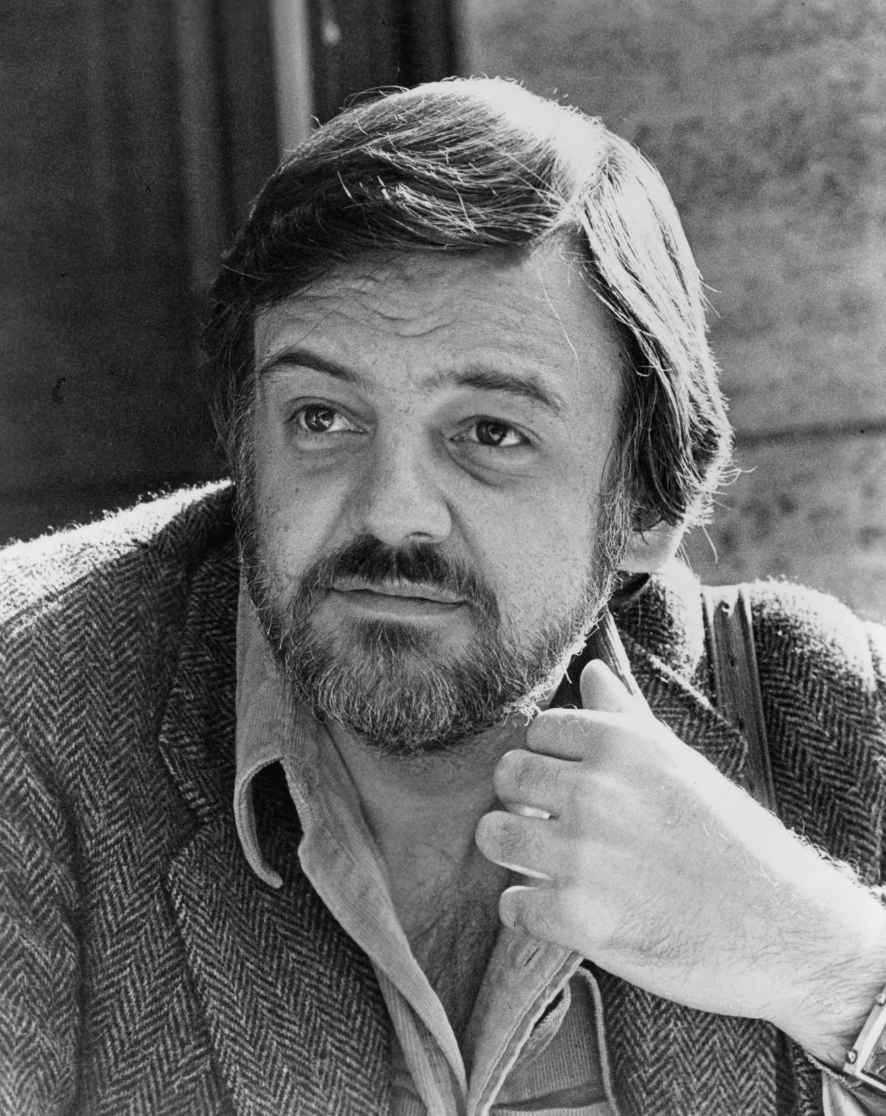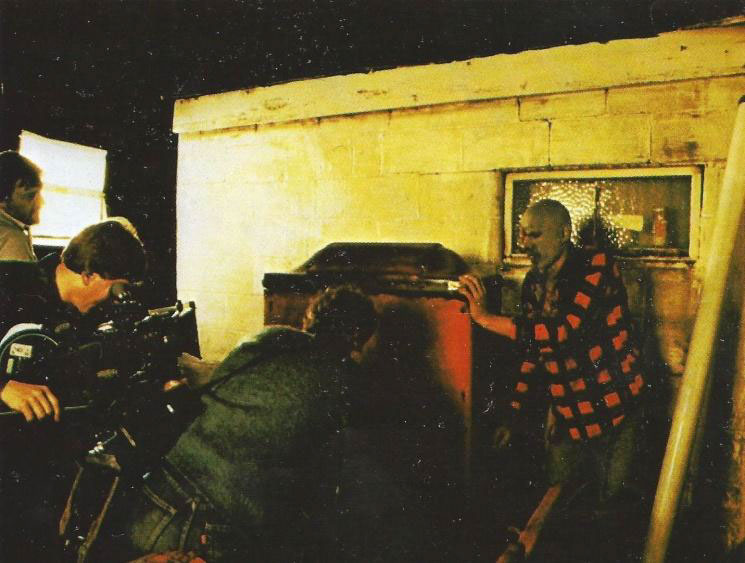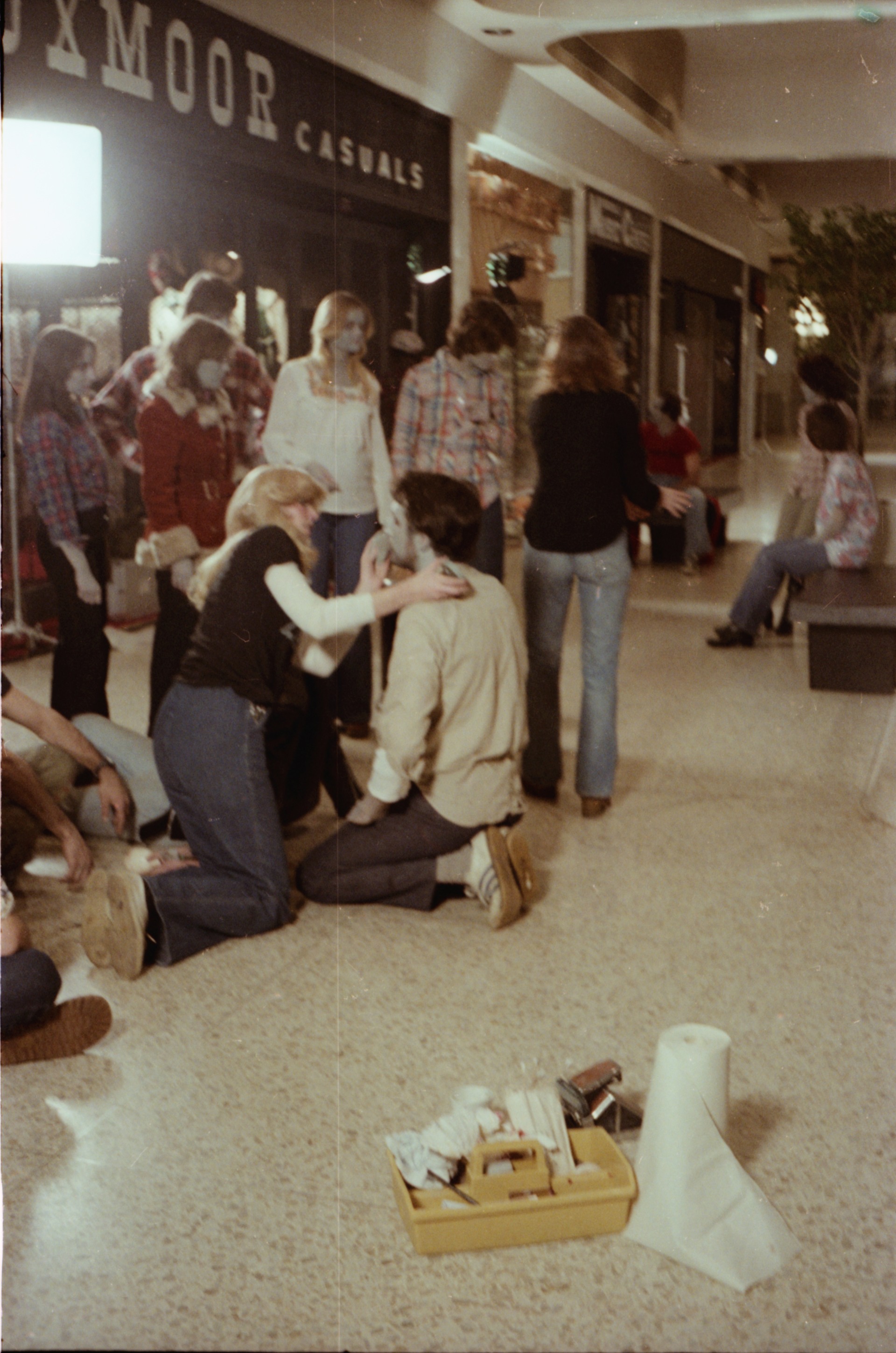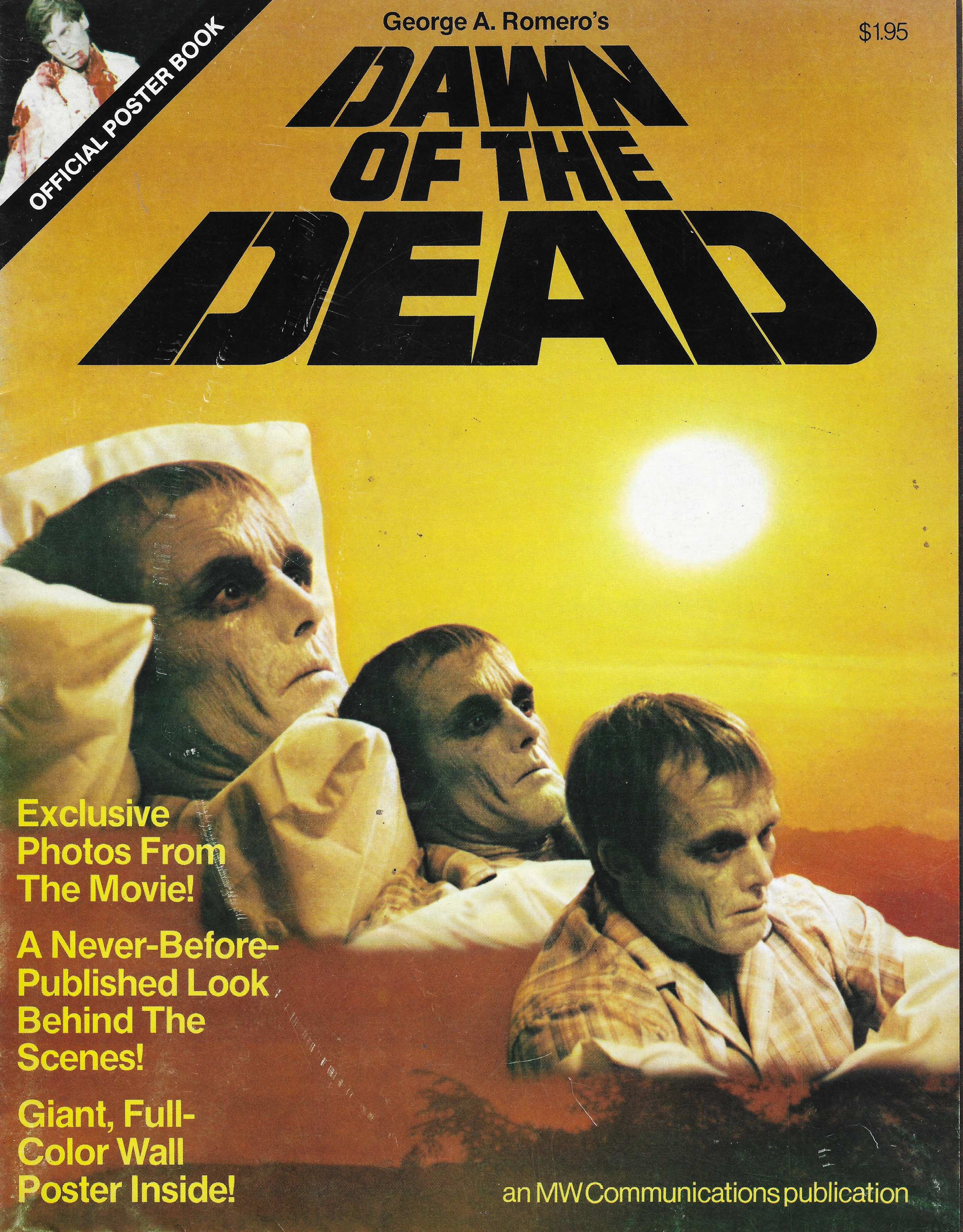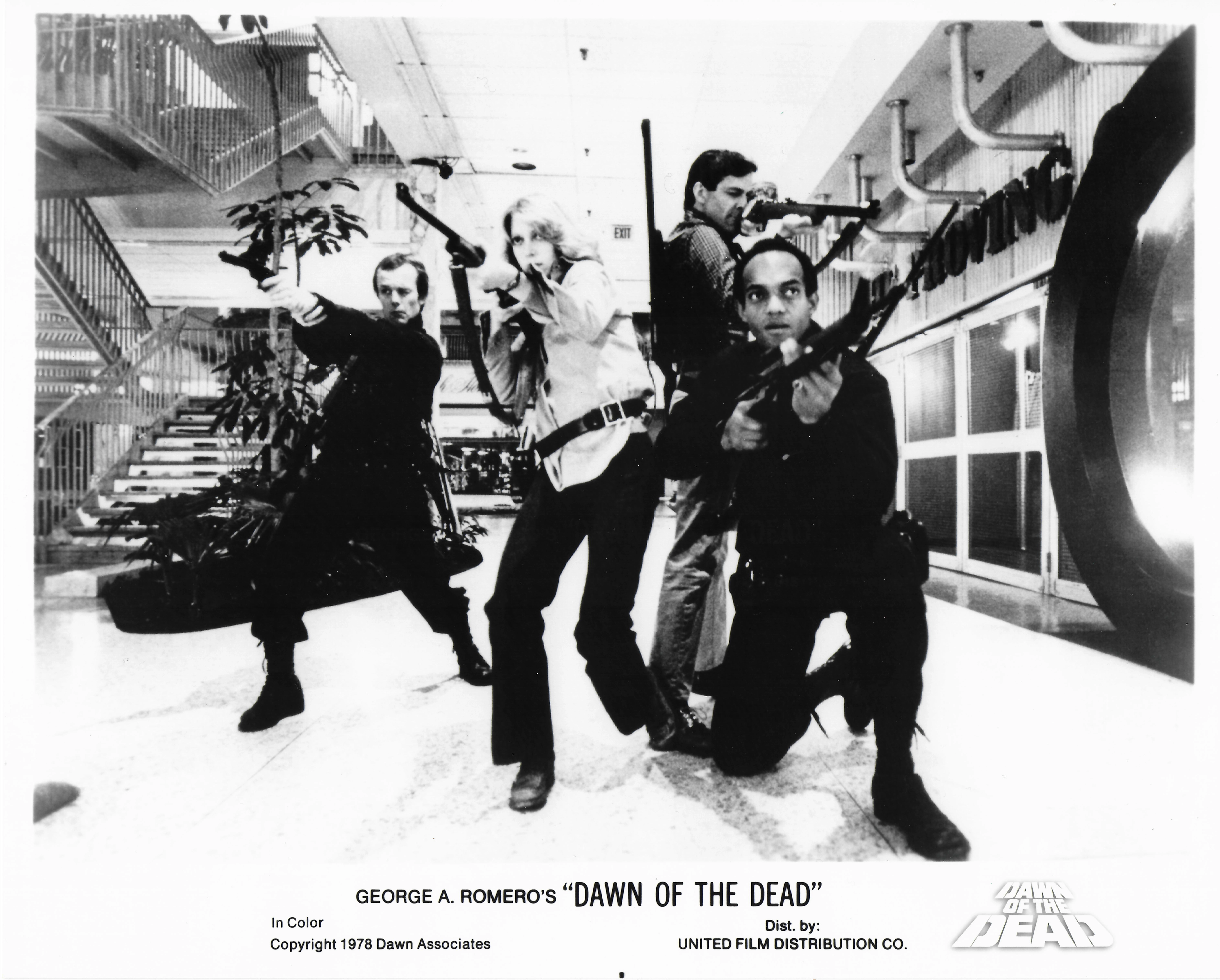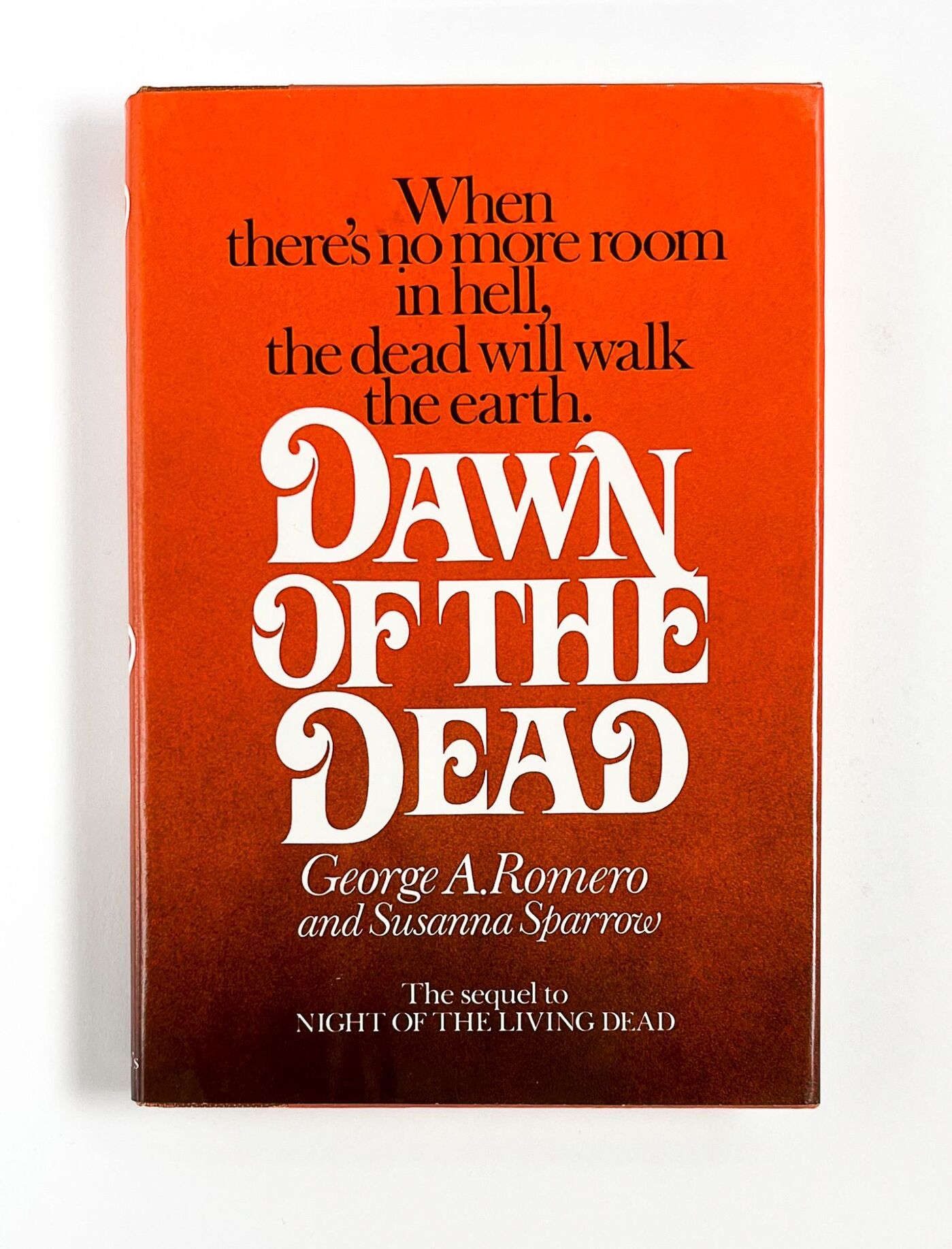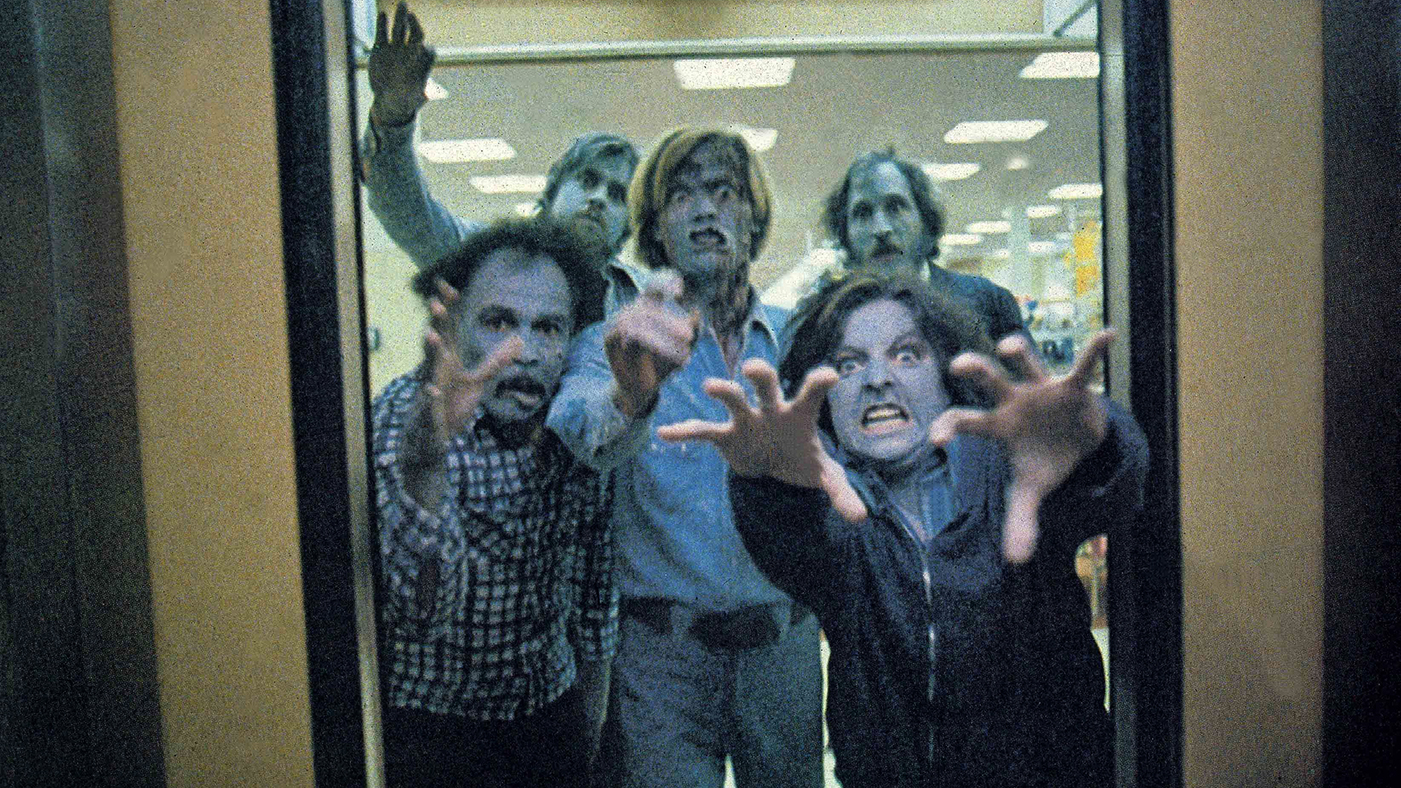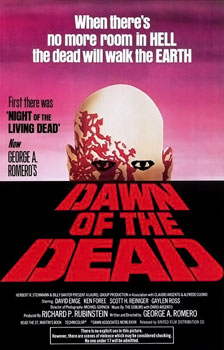
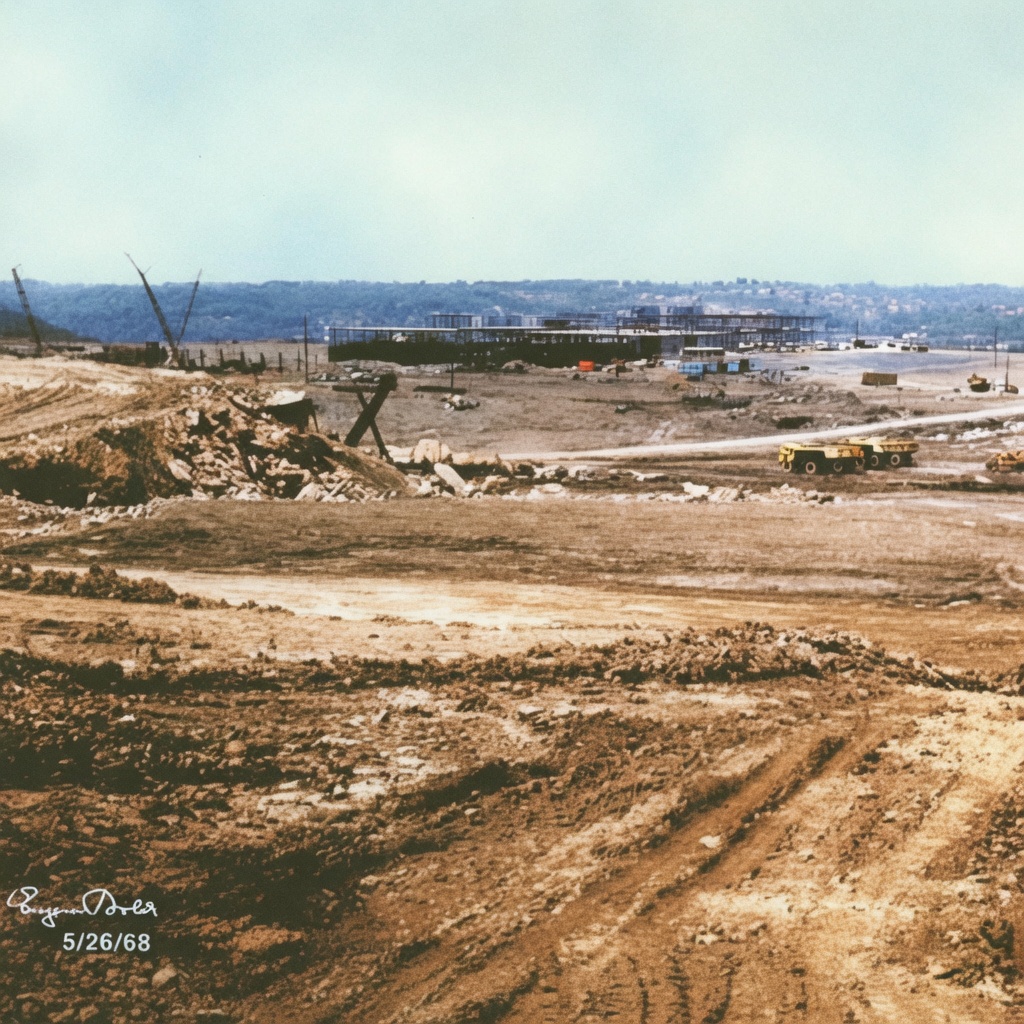
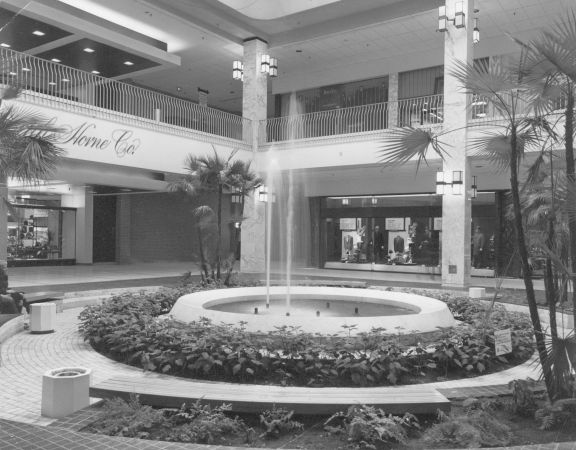
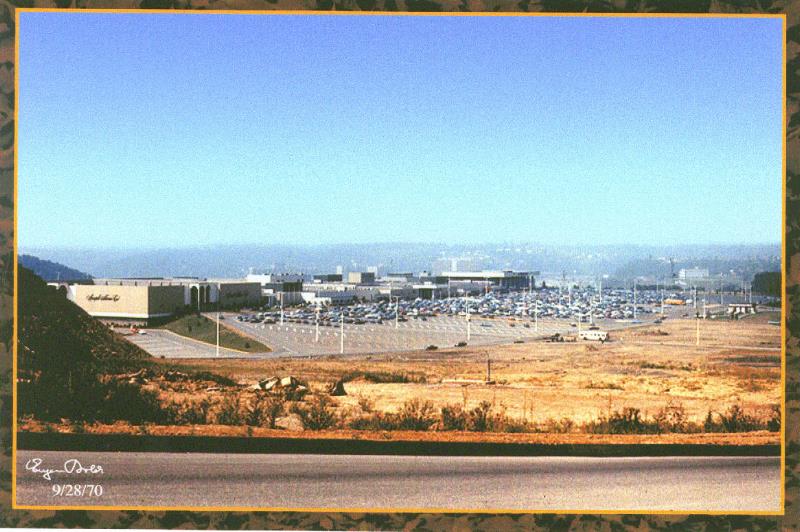
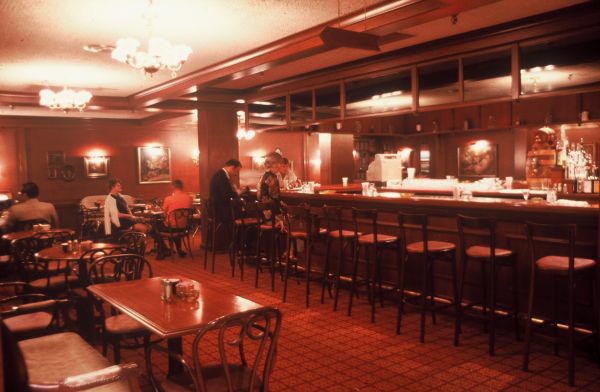
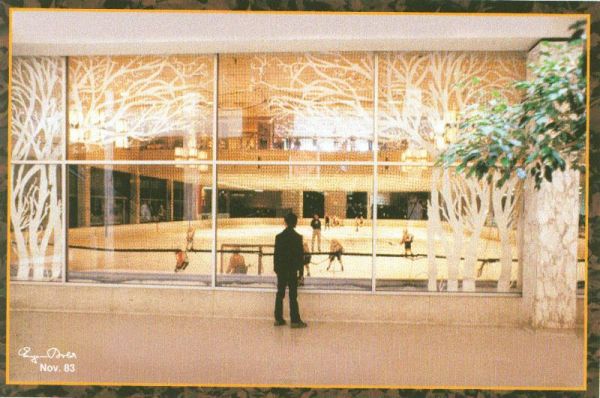
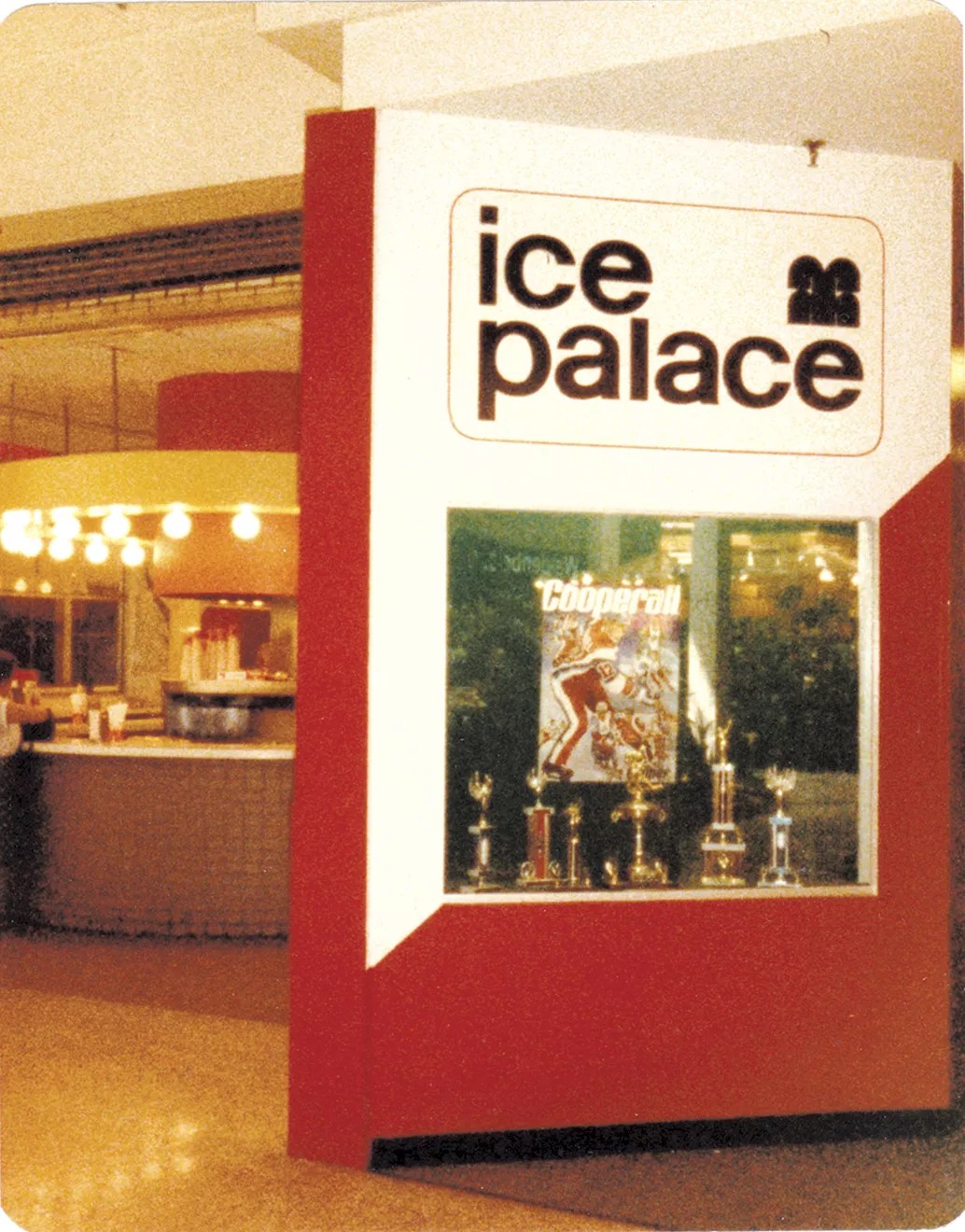
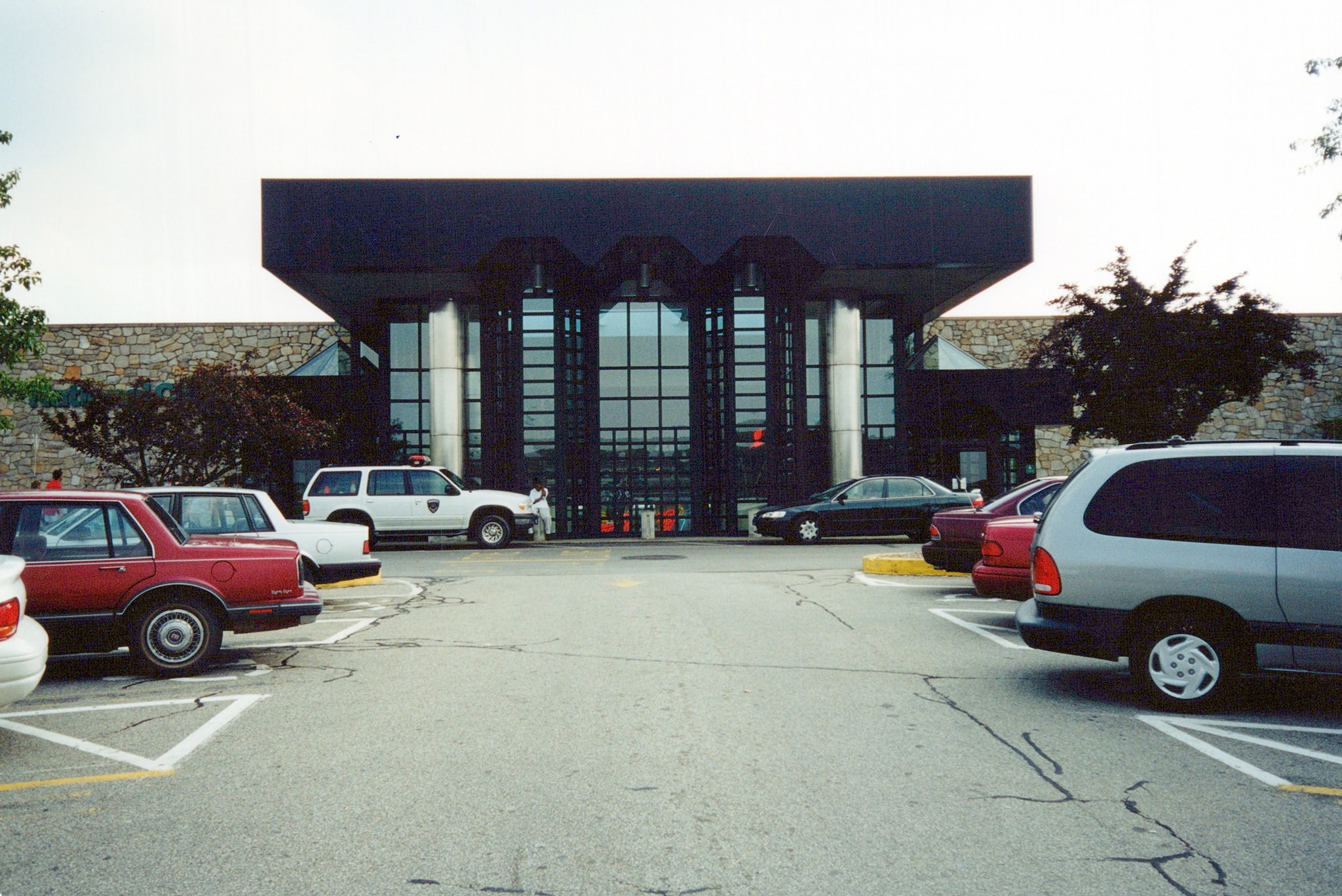
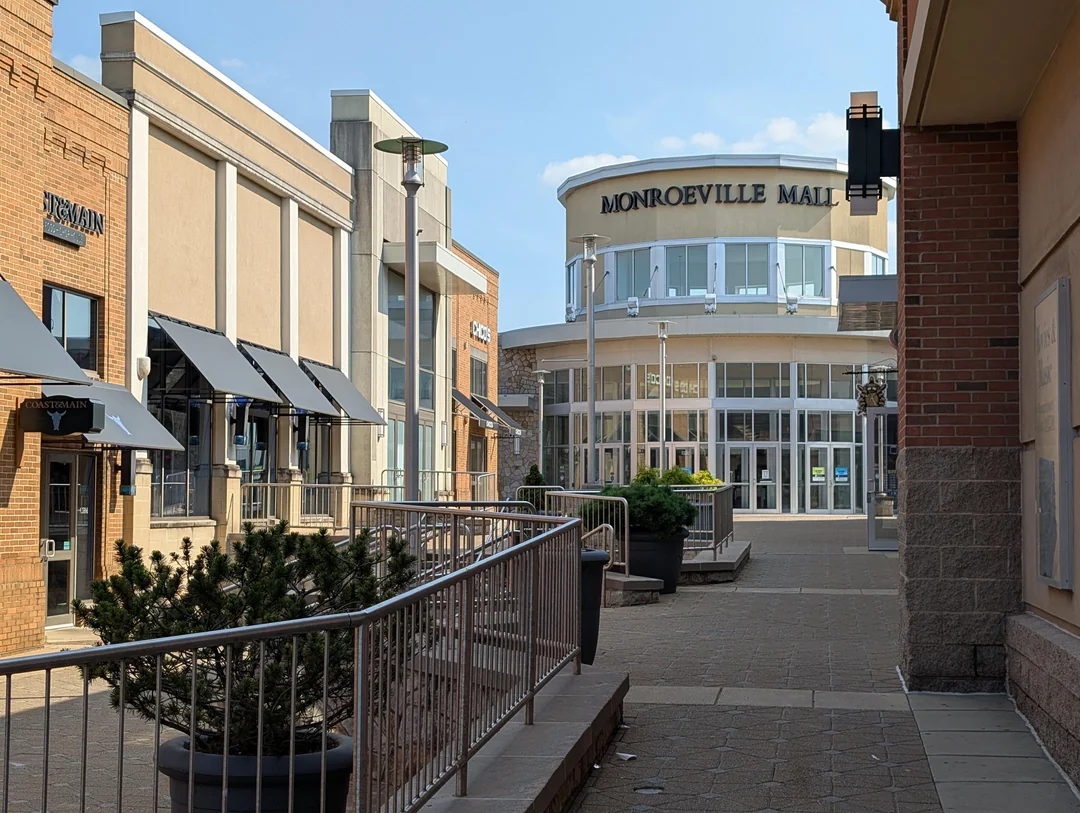
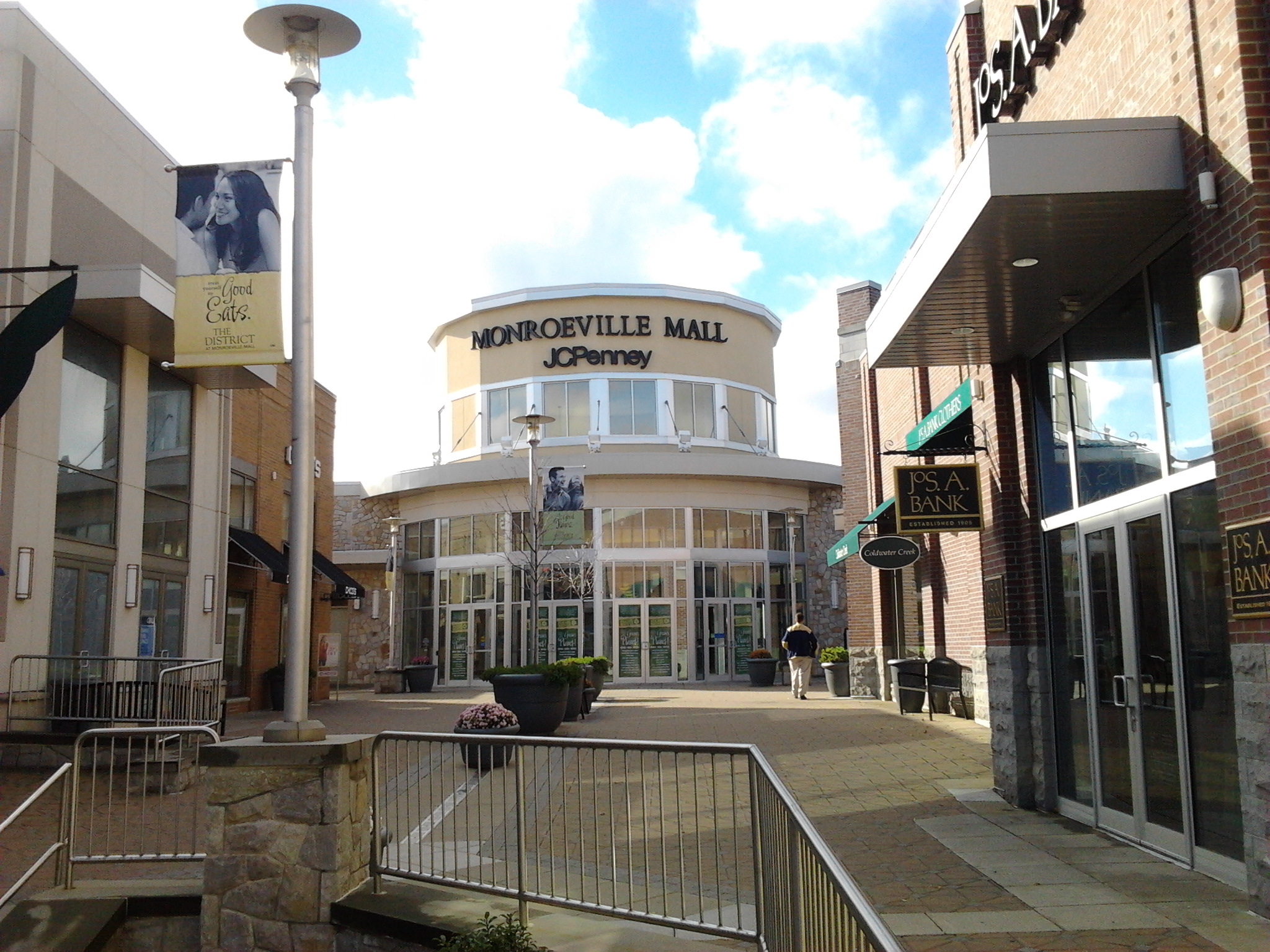
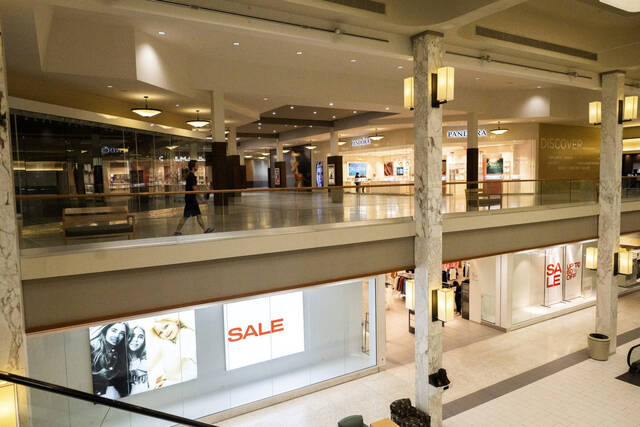
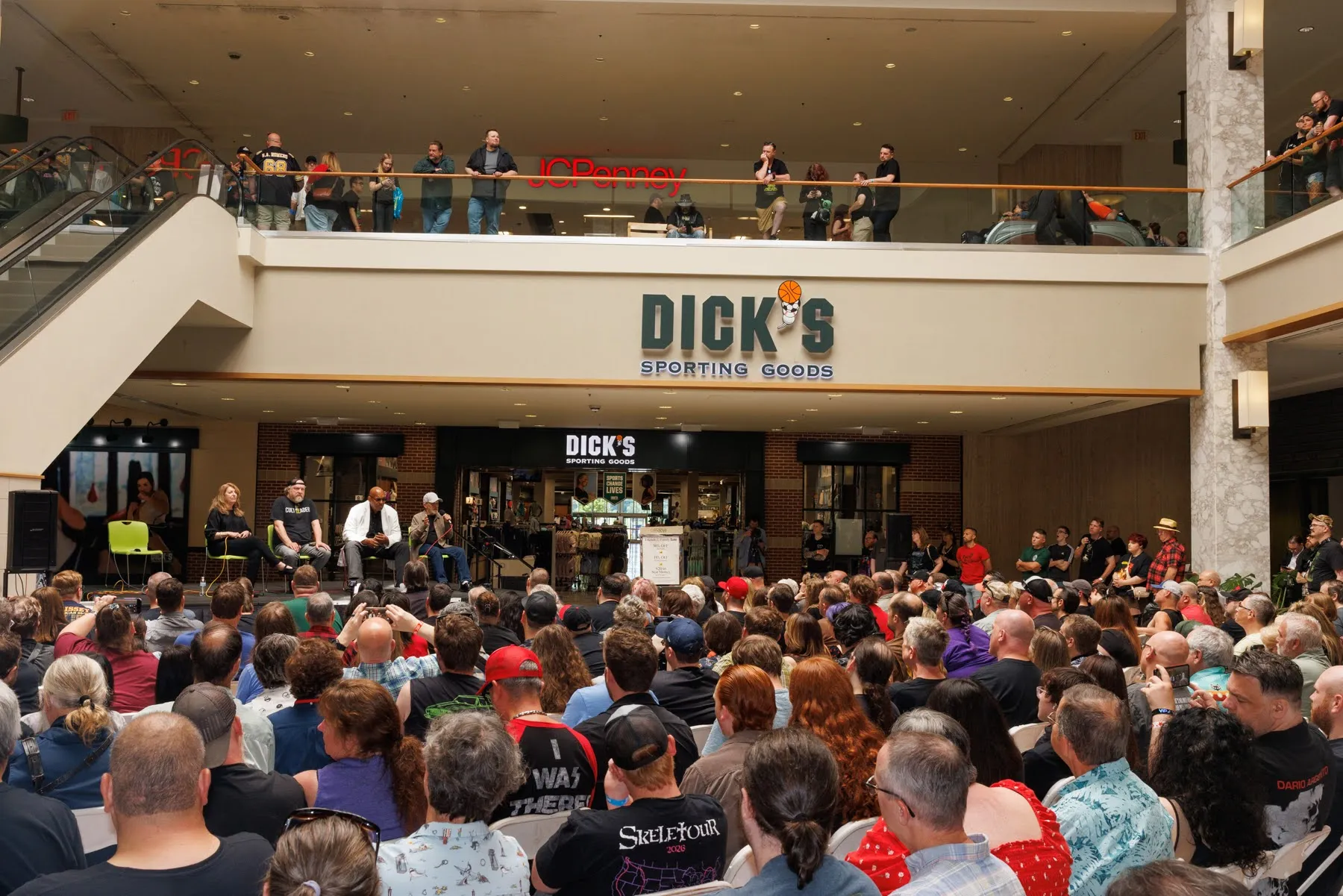
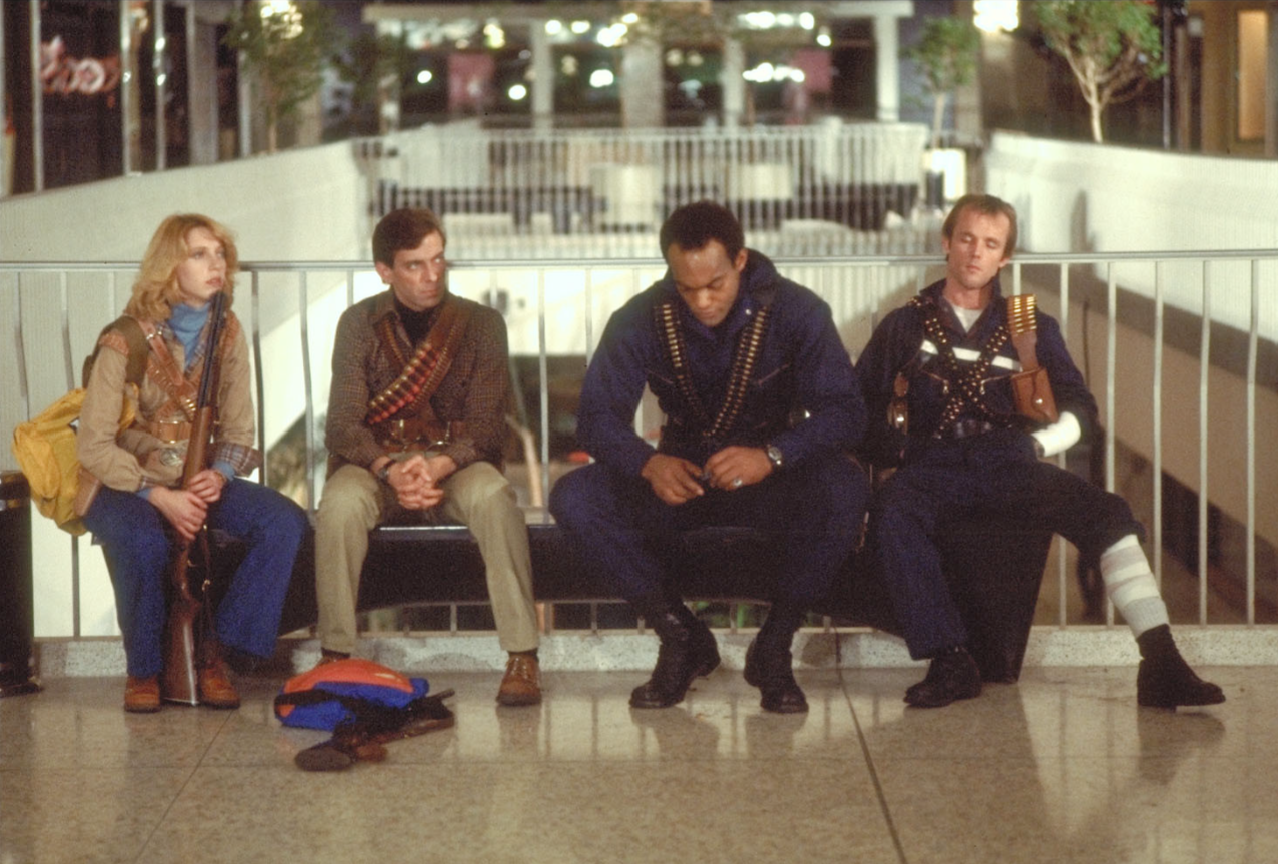
The origins of Dawn of the Dead at Monroeville Mall reach far earlier than the 1977 shoot itself. The Monroeville Mall was not just a convenient backdrop for Dawn of the Dead; it was central to the film’s conception. Romero had resisted making a sequel to Night of the Living Dead until he found an idea that was worth pursuing. A key part of that idea came from Monroeville Mall itself. According to materials associated with Romero and later archival description, mall developer Mark E. Mason gave Romero a private tour and pointed out the service/upper areas and civil-defense-related spaces above the retail floor. That suggestion—survivors hiding in and above a giant consumer complex stocked with everything they might need—helped crystallize the premise for Romero.
The University of Pittsburgh’s George A. Romero archival guide documents a “Letter to Richard about Dawn of the Dead with partial synopsis” dated April 9, 1974, and specifically describes it as material to be typed up in response to an AIP meeting. That is an important anchor point for the production history, because it proves that Romero had already begun formulating a sequel-to-Night concept several years before filming started at the mall.
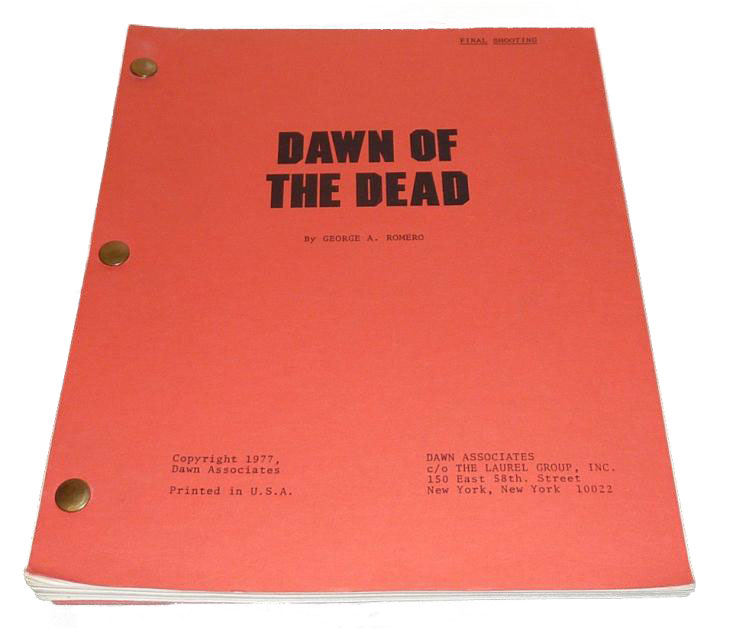
The project moved from idea to production through a transatlantic partnership. Romero was invited by Dario Argento to develop the sequel, wherein he traveled to Rome to write the screenplay.
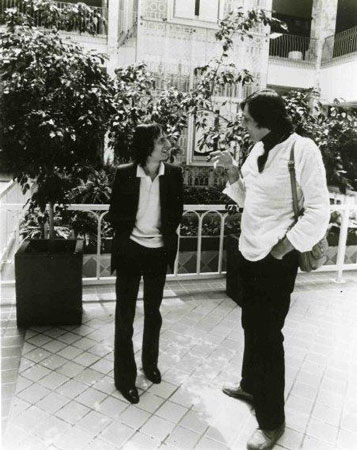
The film ultimately emerged as the second chapter in Romero’s planned “Dead” trilogy, with Night first and Day later completing the cycle. This mattered historically because Dawn was never simply a sequel in the commercial sense; from the beginning Romero framed it as a broader continuation of social collapse. That helps explain why the mall setting is so essential to the film’s identity: the location is not merely decorative, but thematic. Romero later described the experience of walking through Monroeville Mall as ritualistic, artificial, and hypnotically consumptive—exactly the kind of environment that made his zombies and his social satire merge into one image.
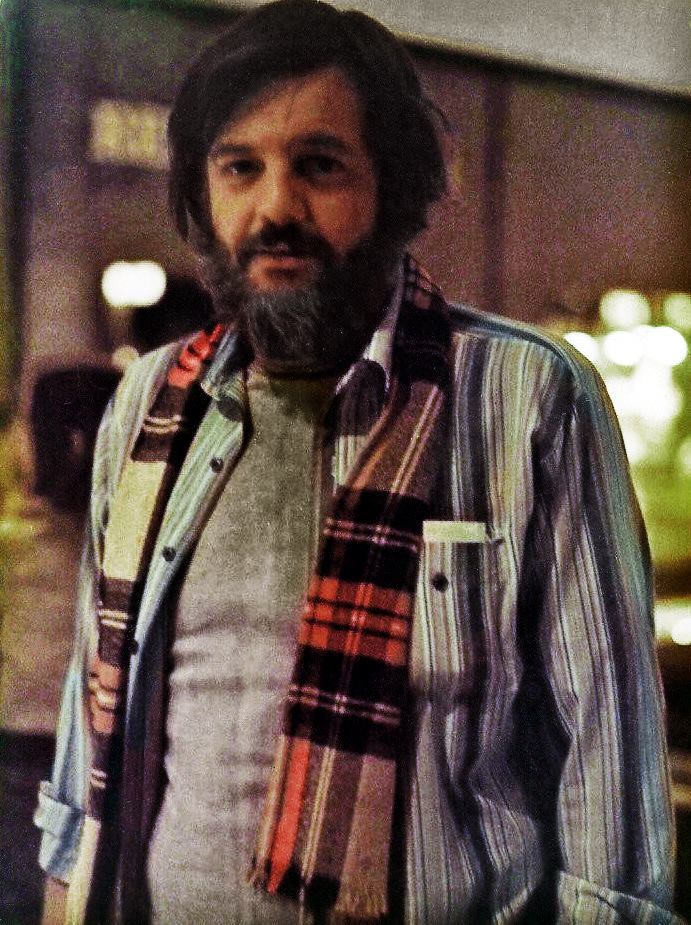
By 1977, the project had become a genuinely transatlantic production. A scholarly history of Laurel Entertainment, drawing on trade and press reporting, states that Laurel’s foreign sales agent Irvin Shapiro sent a partially completed screenplay to Italian producer Alfredo Cuomo, who then brought in Dario Argento to help raise money. The same study says that Dario and Claudio Argento, together with Cuomo, financed half of the film’s budget in exchange for international distribution rights in all non-English-language territories except Latin America. AFI independently confirms the essential outline of that relationship, noting that Argento collaborated on the concept and screenplay and later prepared a shorter international cut released in Italy as Zombie/Zombi.
The budget history is one place where the timeline is especially useful, but it still needs careful phrasing. AFI notes that contemporaneous reports placed the budget anywhere from about $700,000 to $1.7 million. The Laurel study, citing Rubinstein’s later commentary, says that the Italian consortium financed half the budget through a letter of credit, that Laurel then raised about $325,000 from friends, family, and investors, and that Romero and Rubinstein each personally invested $25,000. In practical terms, that supports a later Rubinstein estimate in the neighborhood of $640,000 on paper, even though larger figures circulated publicly for years. For a permanent archive article, the safest wording is that Dawn of the Dead was made on a comparatively modest independent budget whose exact total was reported inconsistently at the time and revised downward in later producer commentary.
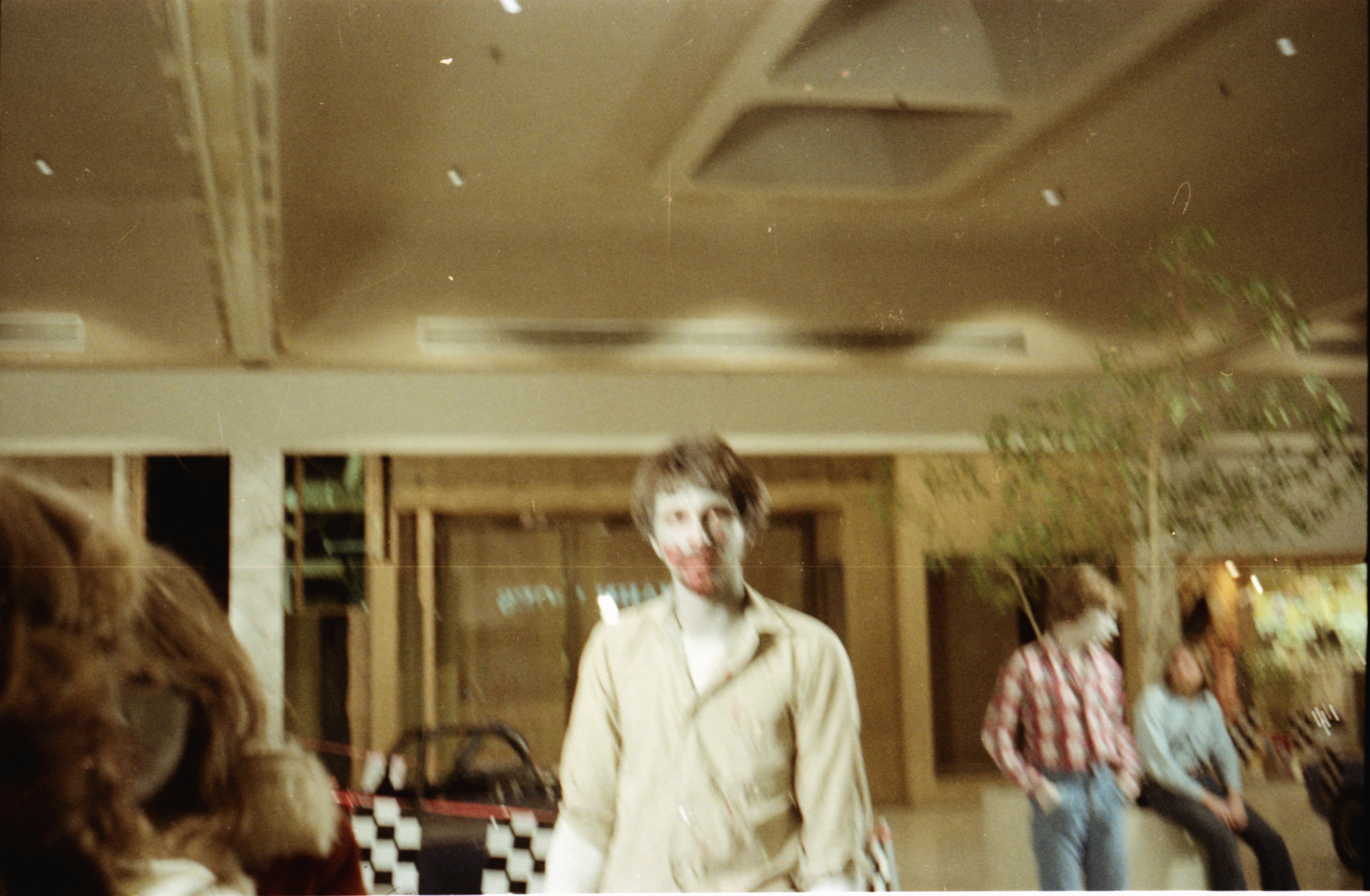
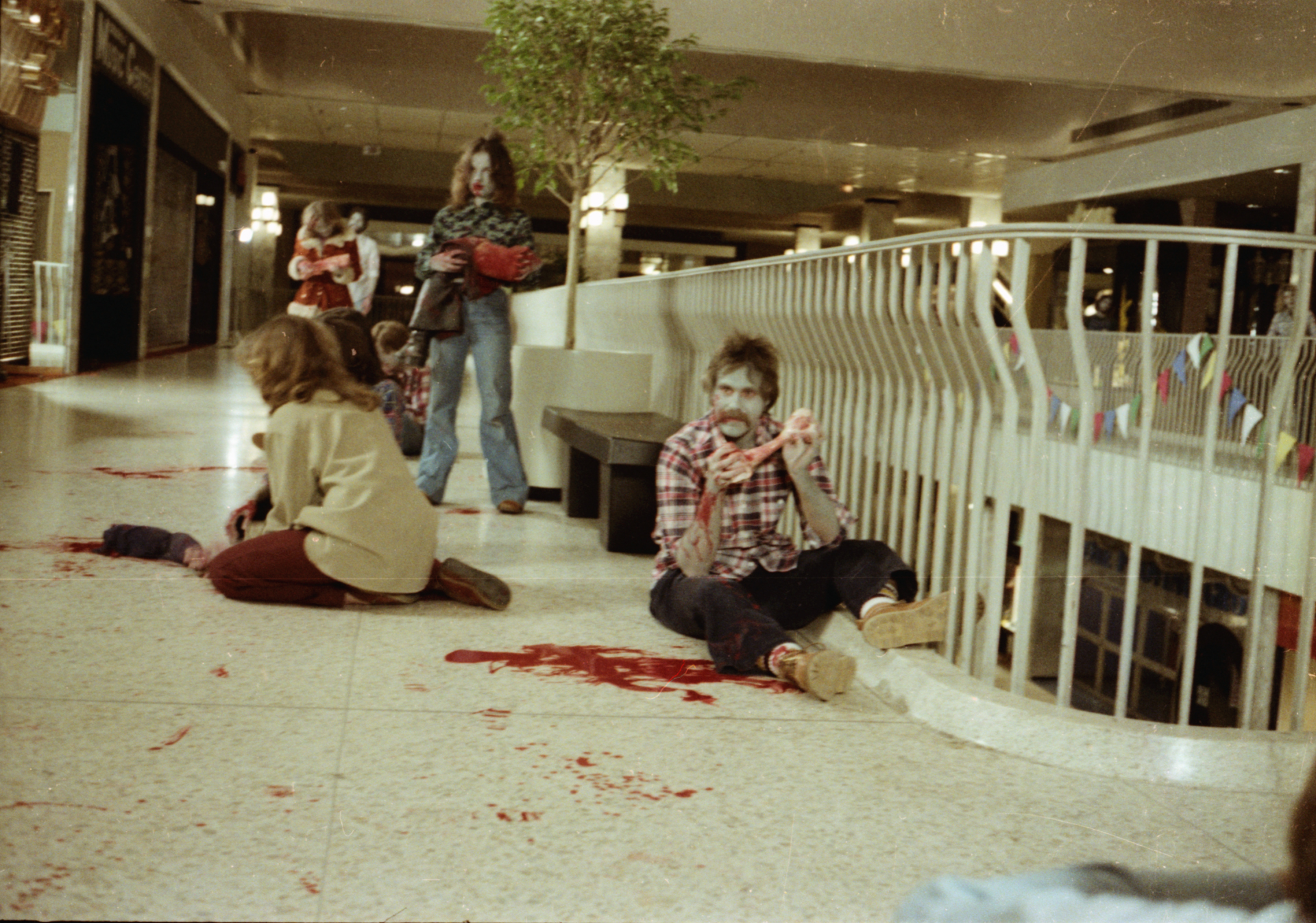
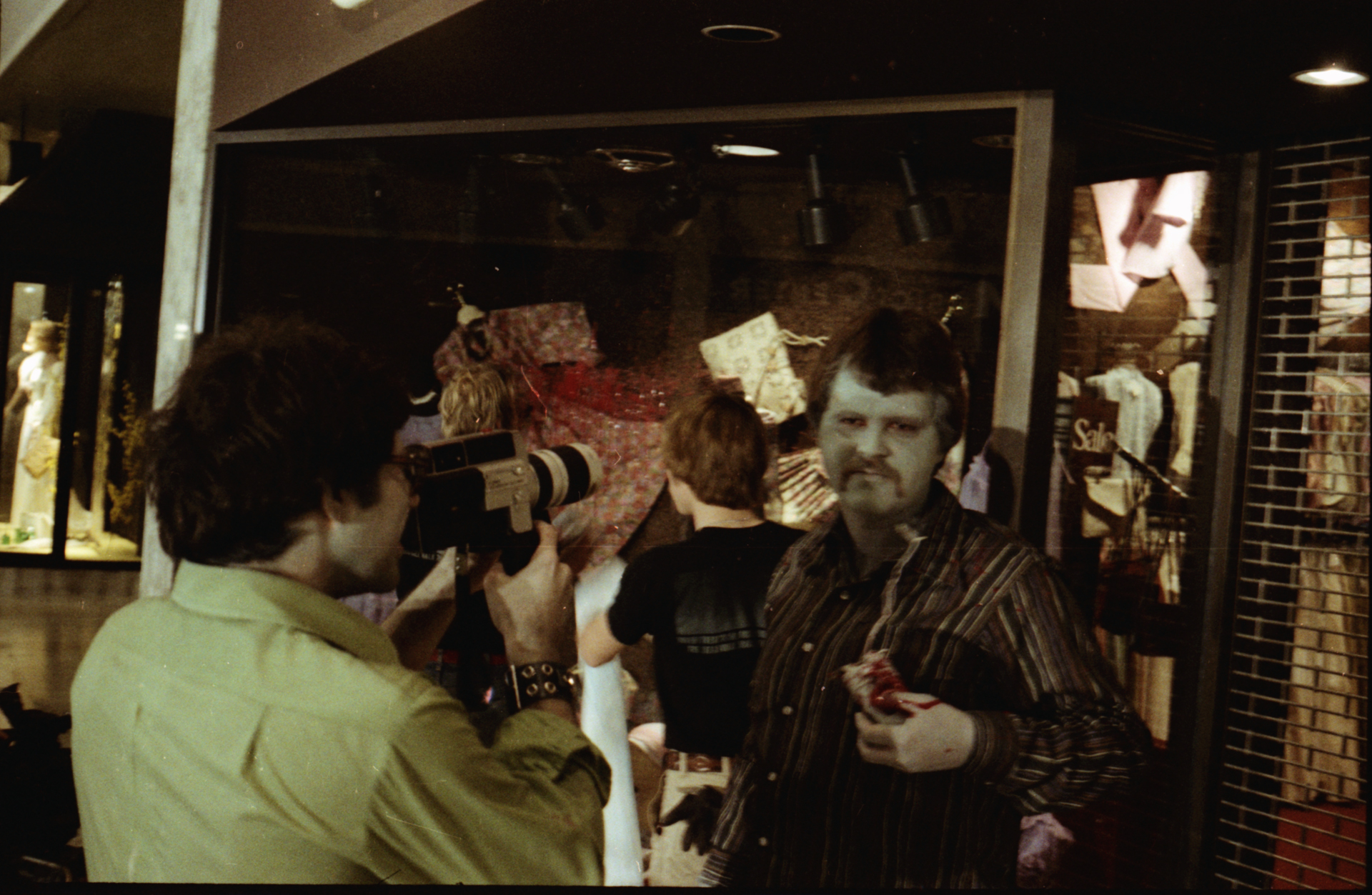
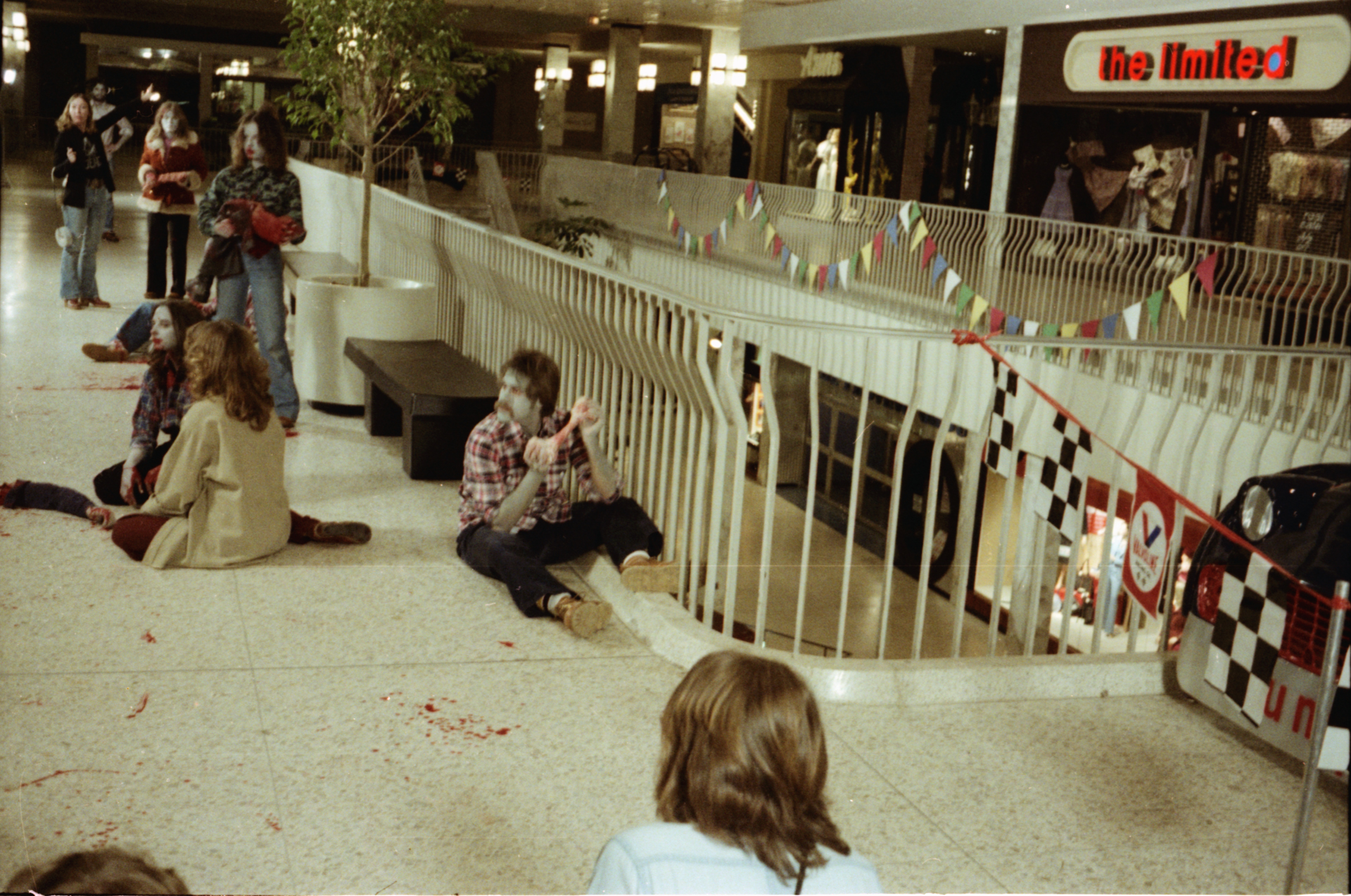
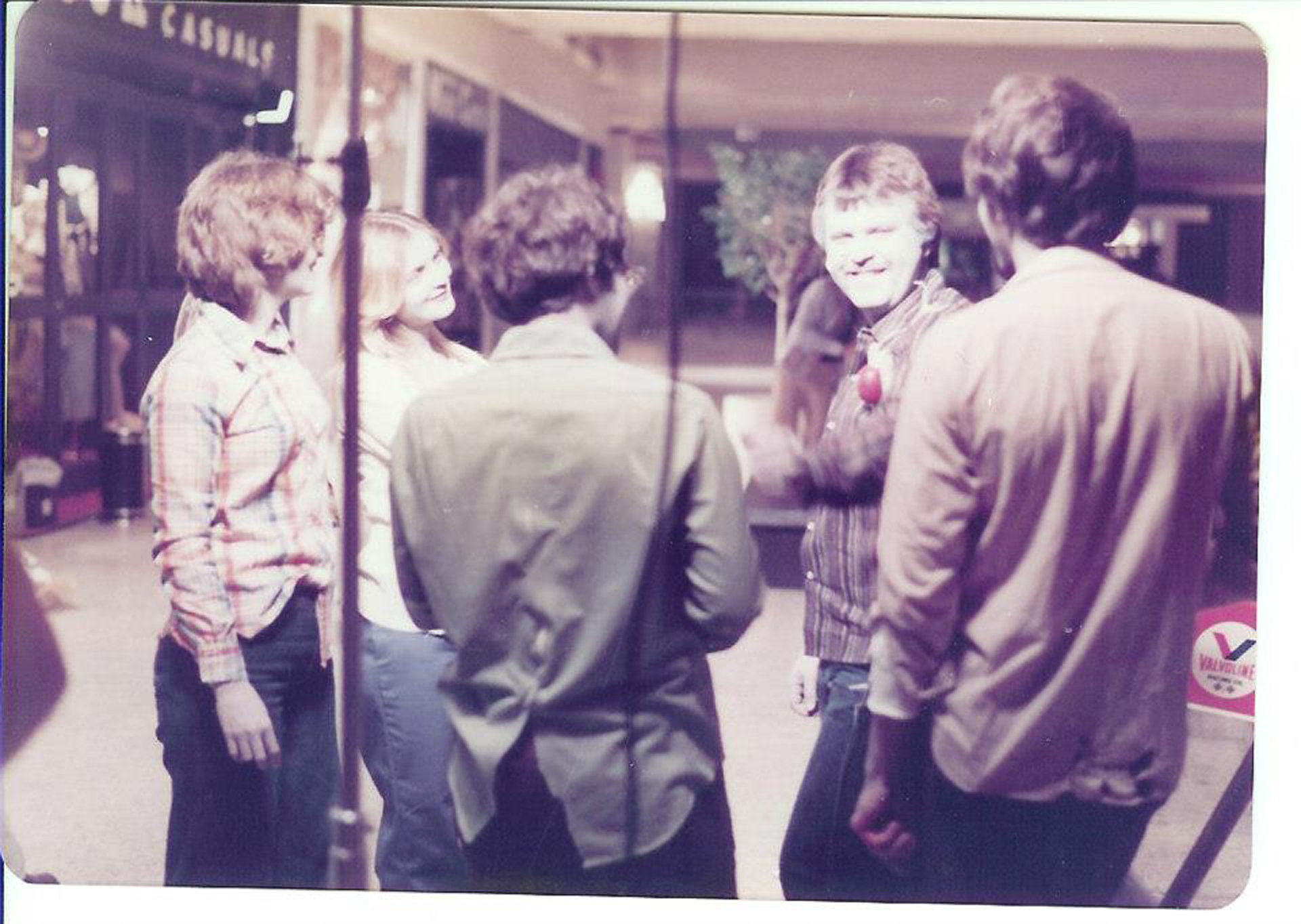
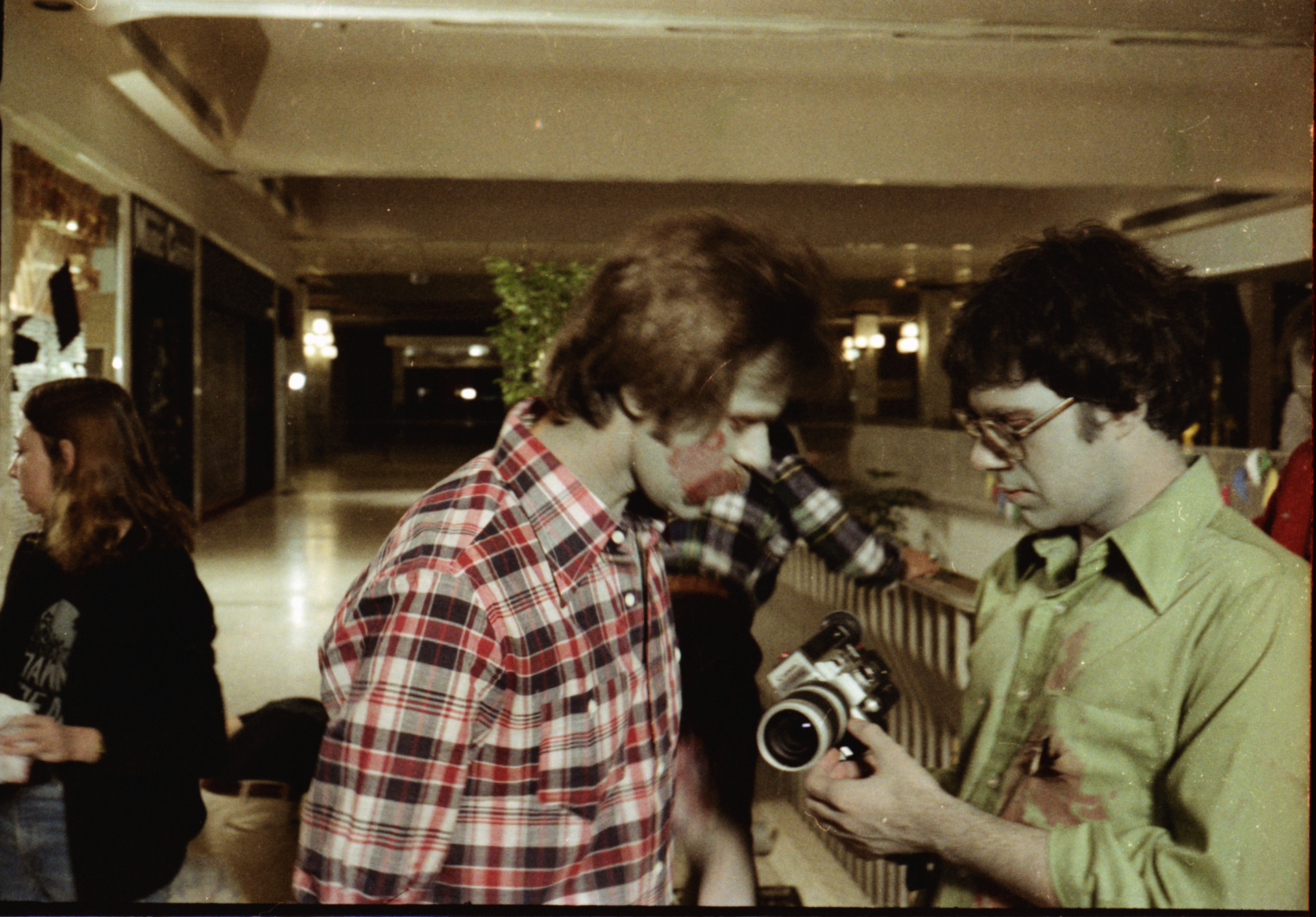
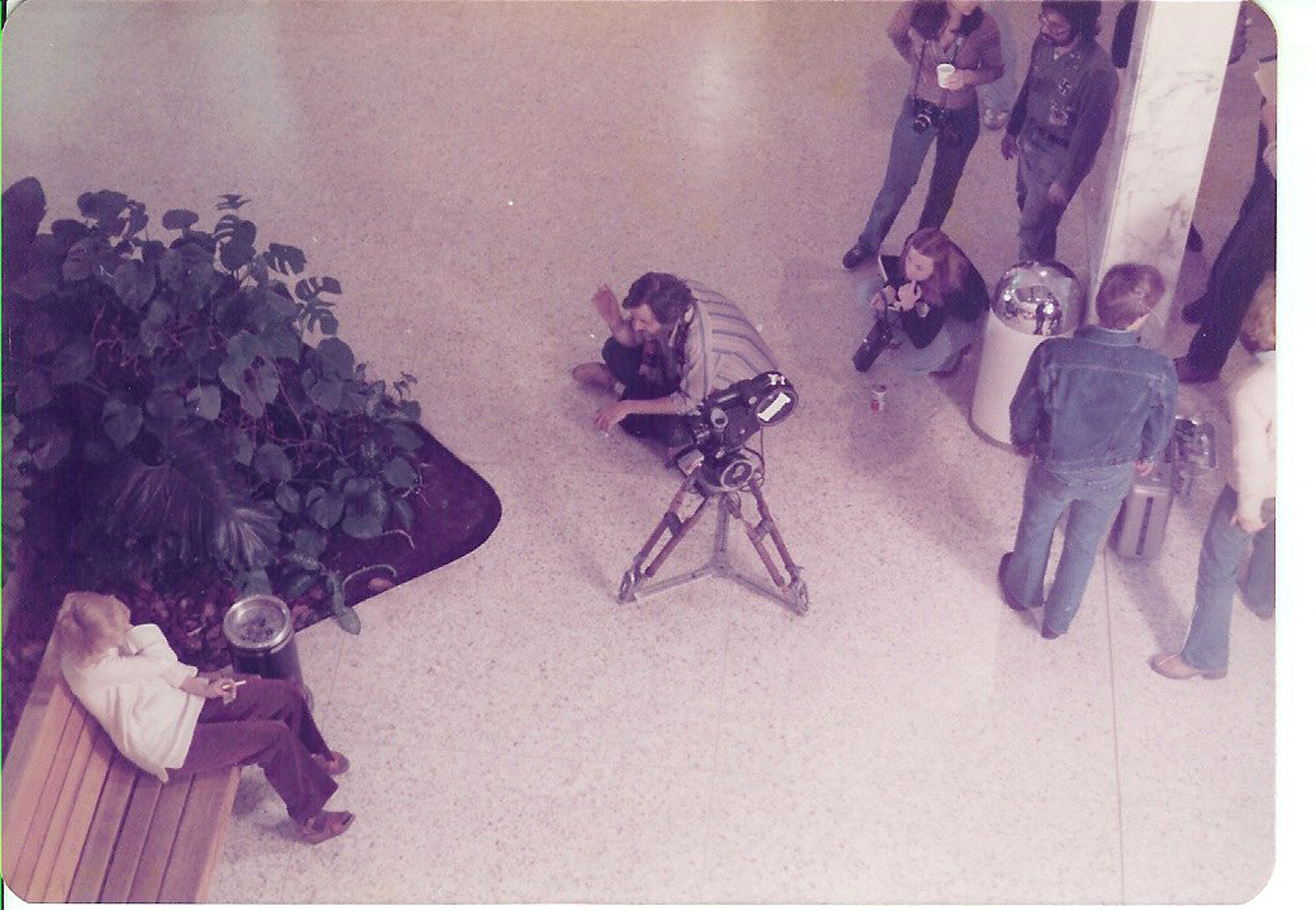
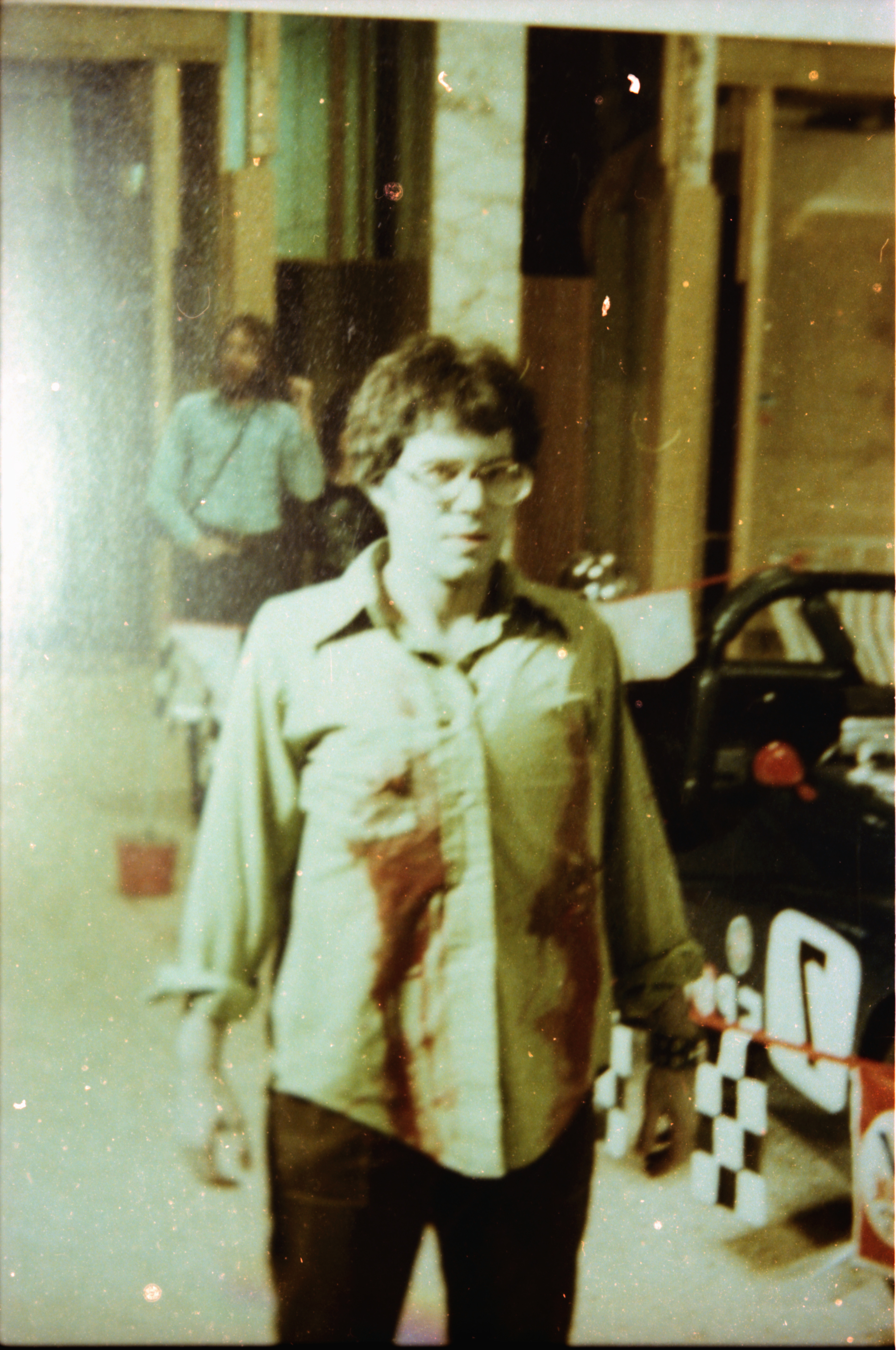
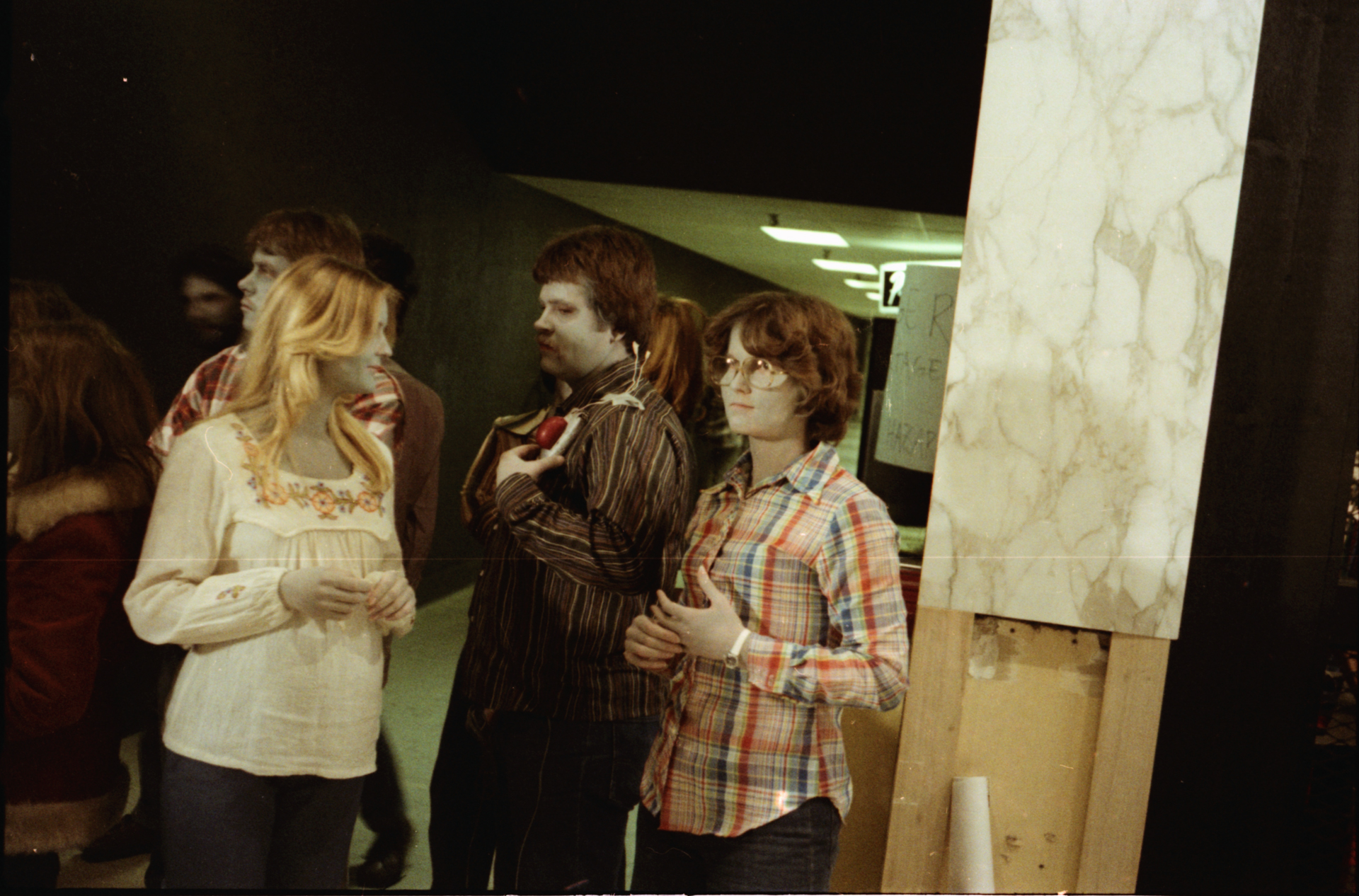
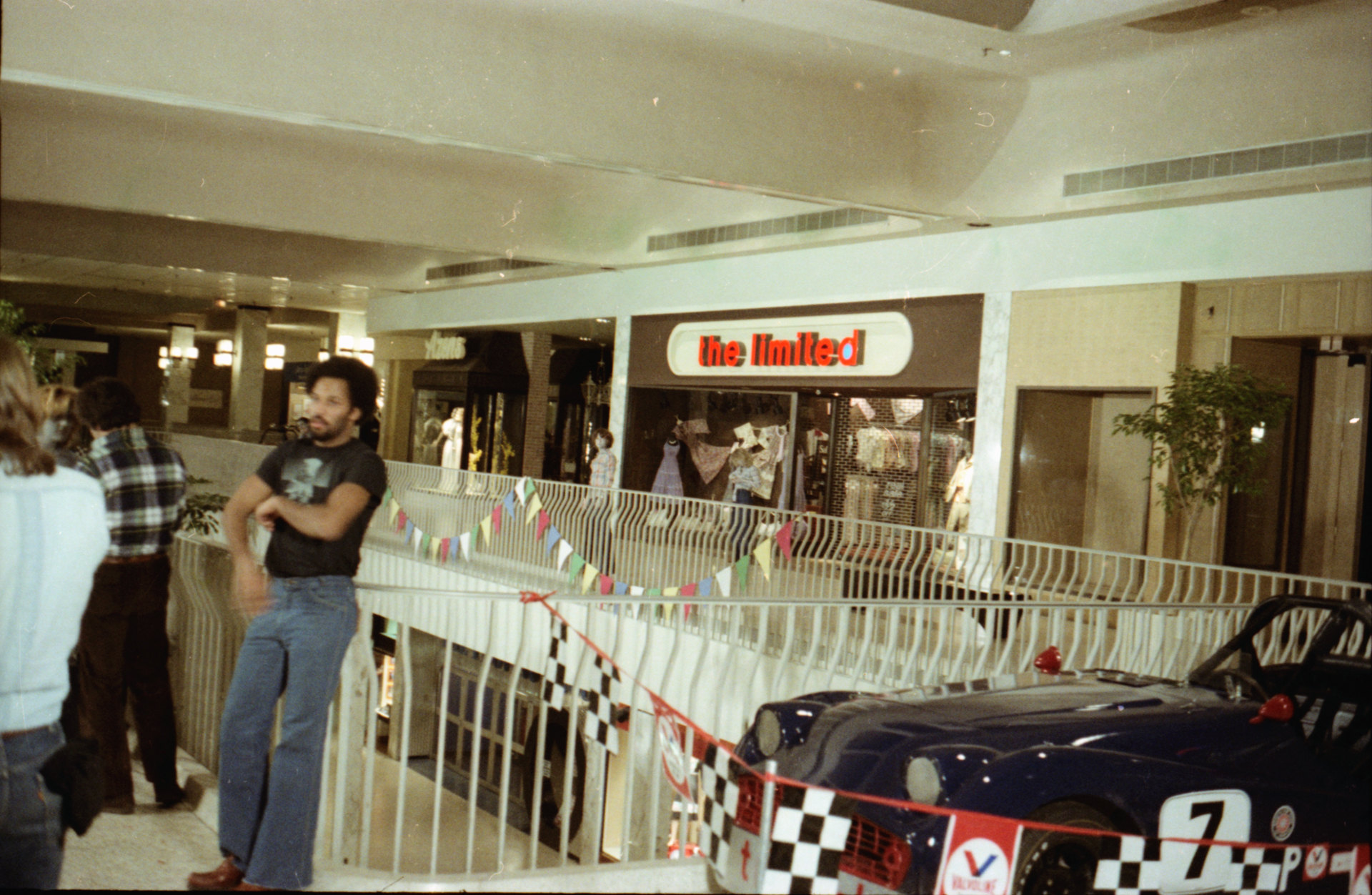
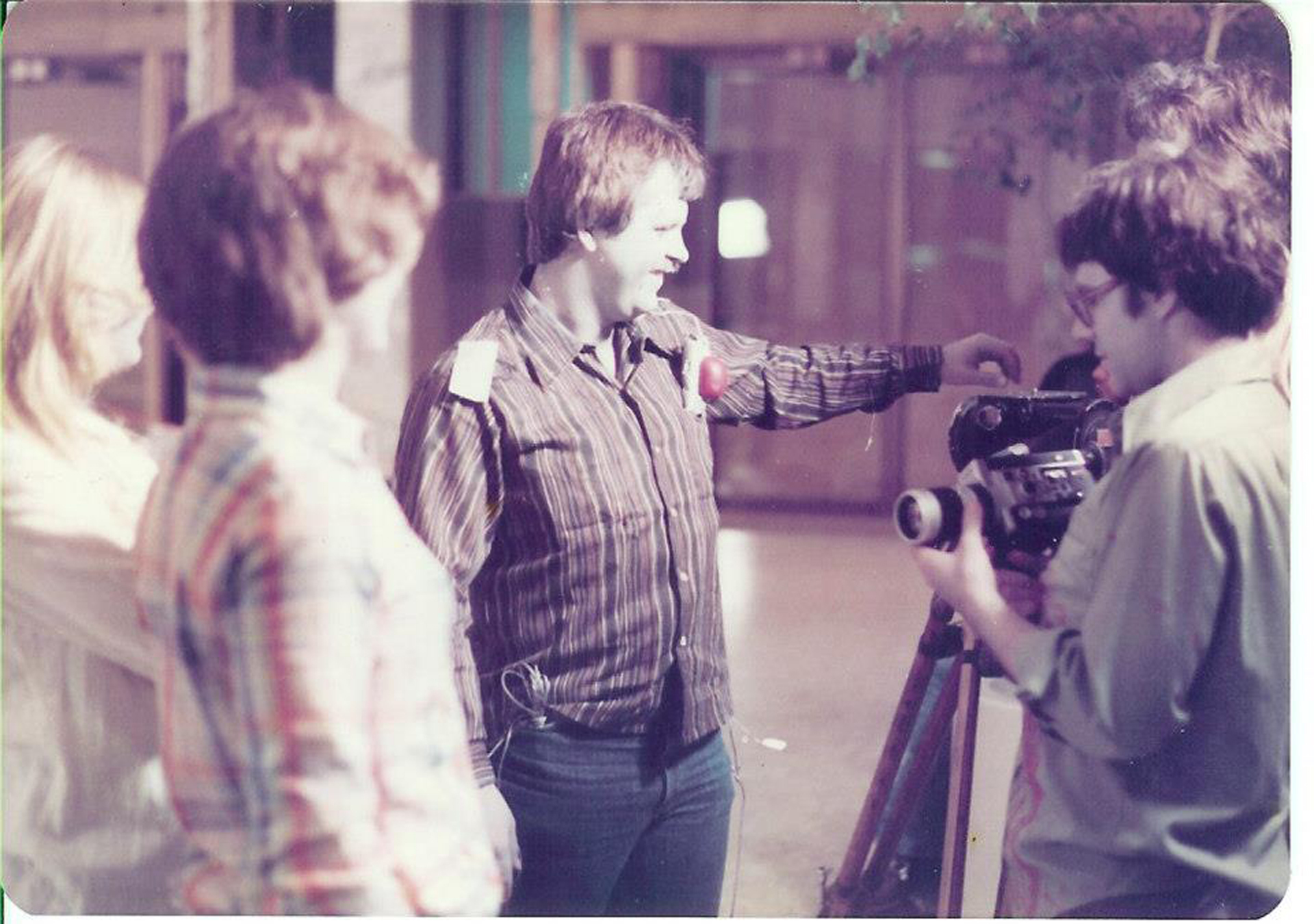
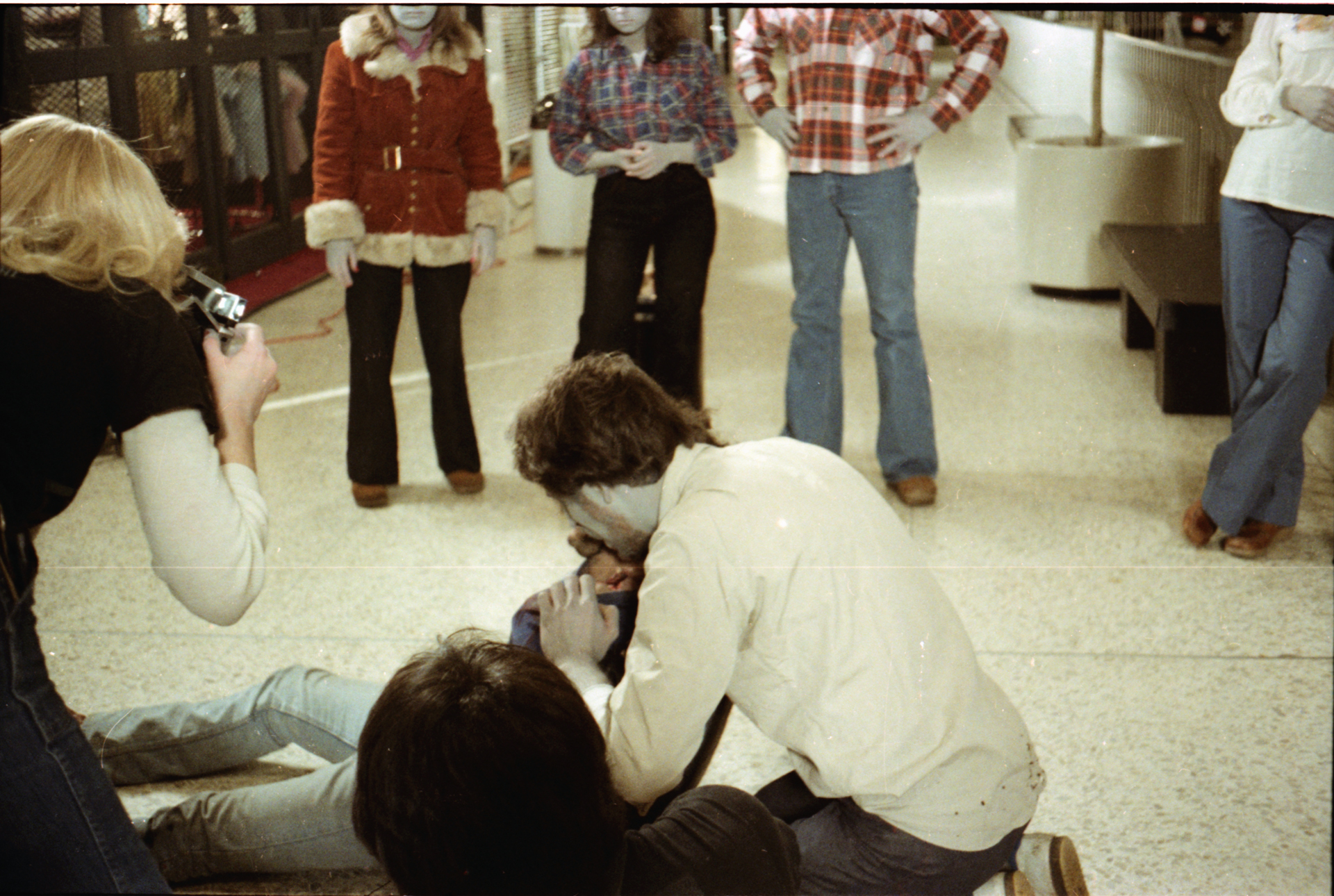
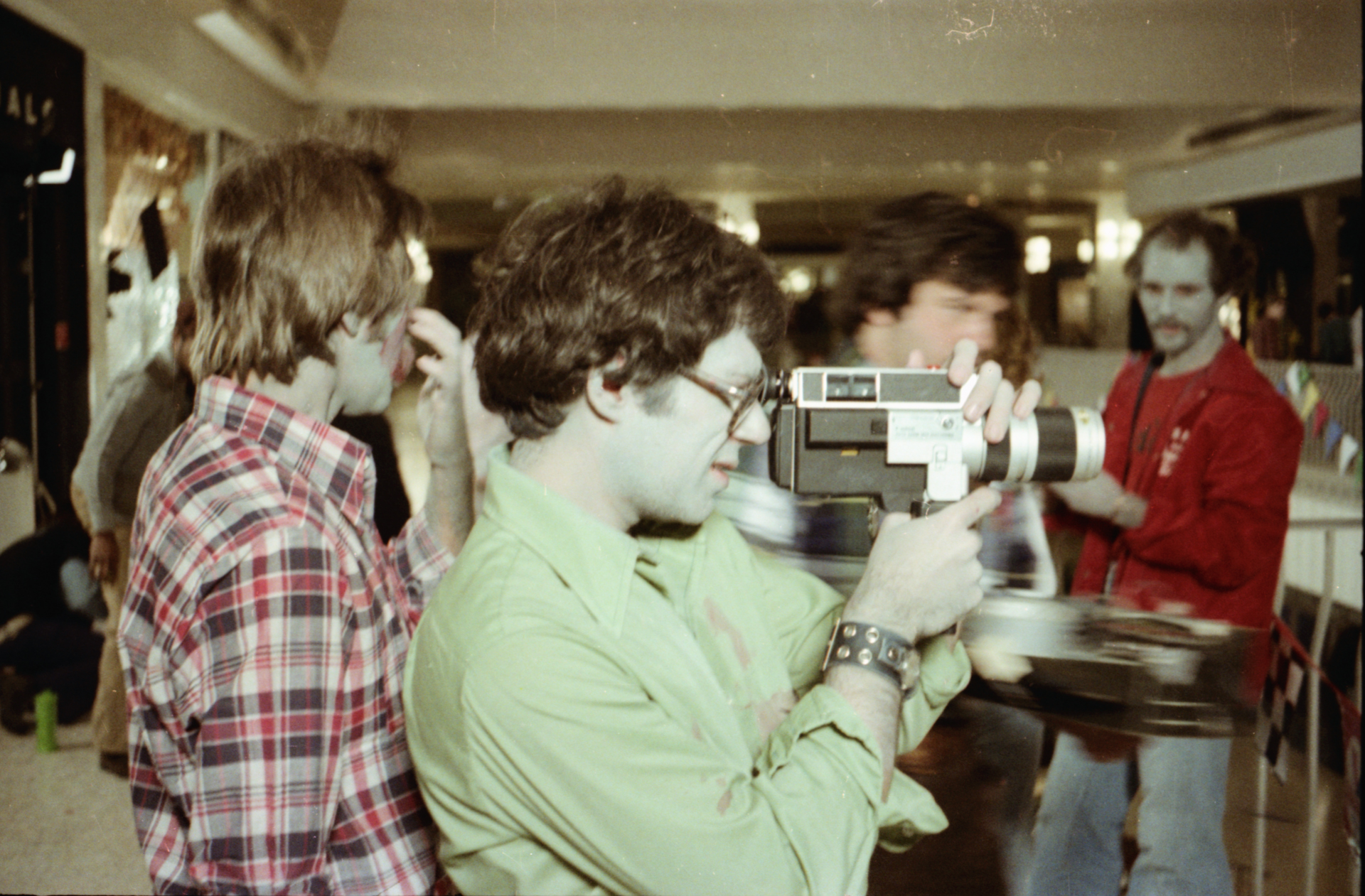
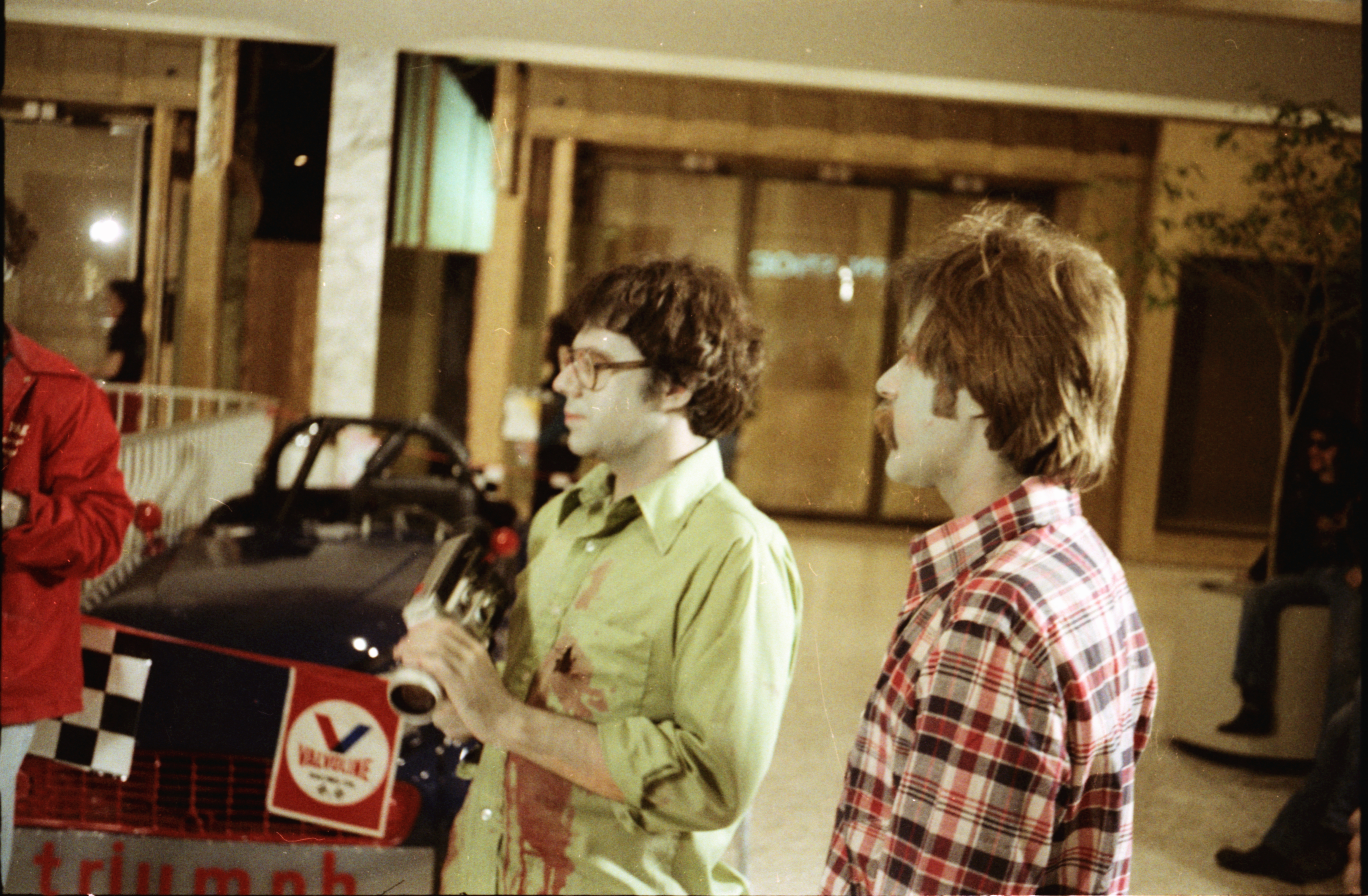
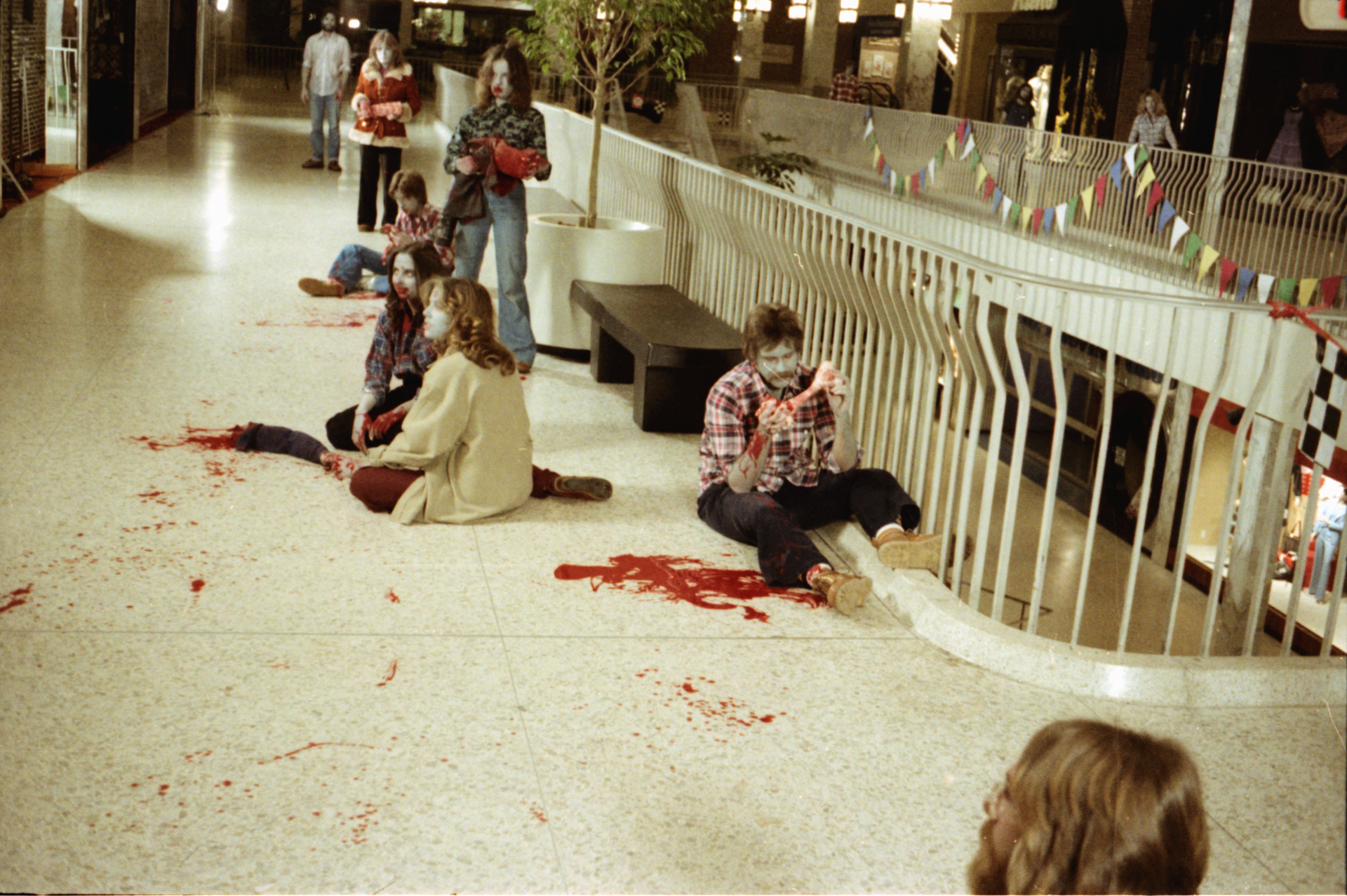
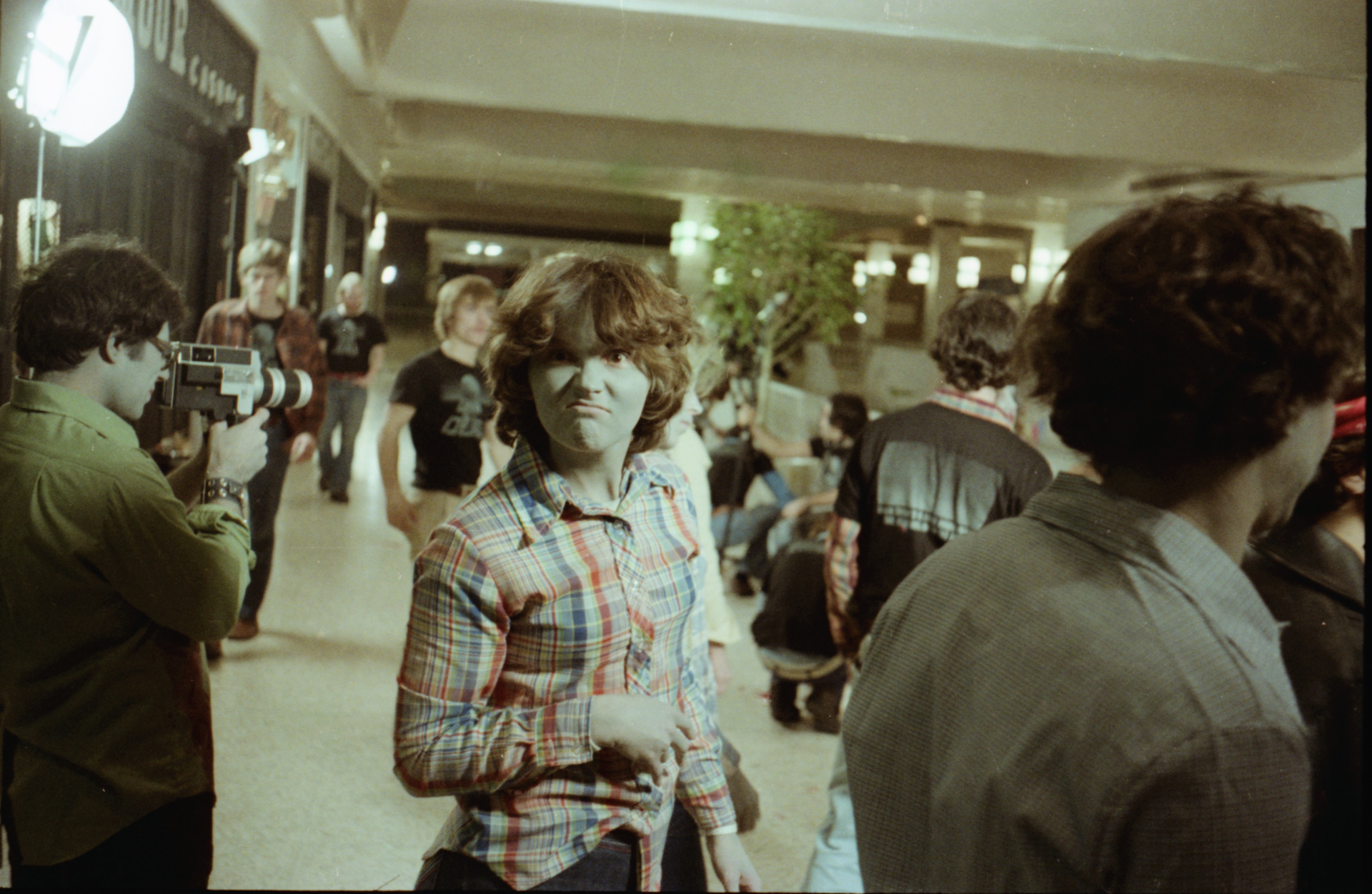
Principal photography began in November 1977 and ran for roughly four months, with the Monroeville Mall as the primary location. AFI’s entry is particularly useful because it grounds several oft-repeated production facts in contemporaneous trade reporting: the shoot took place entirely in and around Pittsburgh, the mall was the main location, and the crew generally worked overnight during the mall’s closed hours, about 10 p.m. to 8 a.m. That overnight rhythm shaped the entire production. It dictated performance energy, camera setup speed, continuity choices, and how the mall appeared on screen. Rather than shutting the mall down for filmmaking, Romero and his team effectively borrowed it after business hours, turning a functioning suburban retail environment into a cinematic ruin for the duration of the night shift.
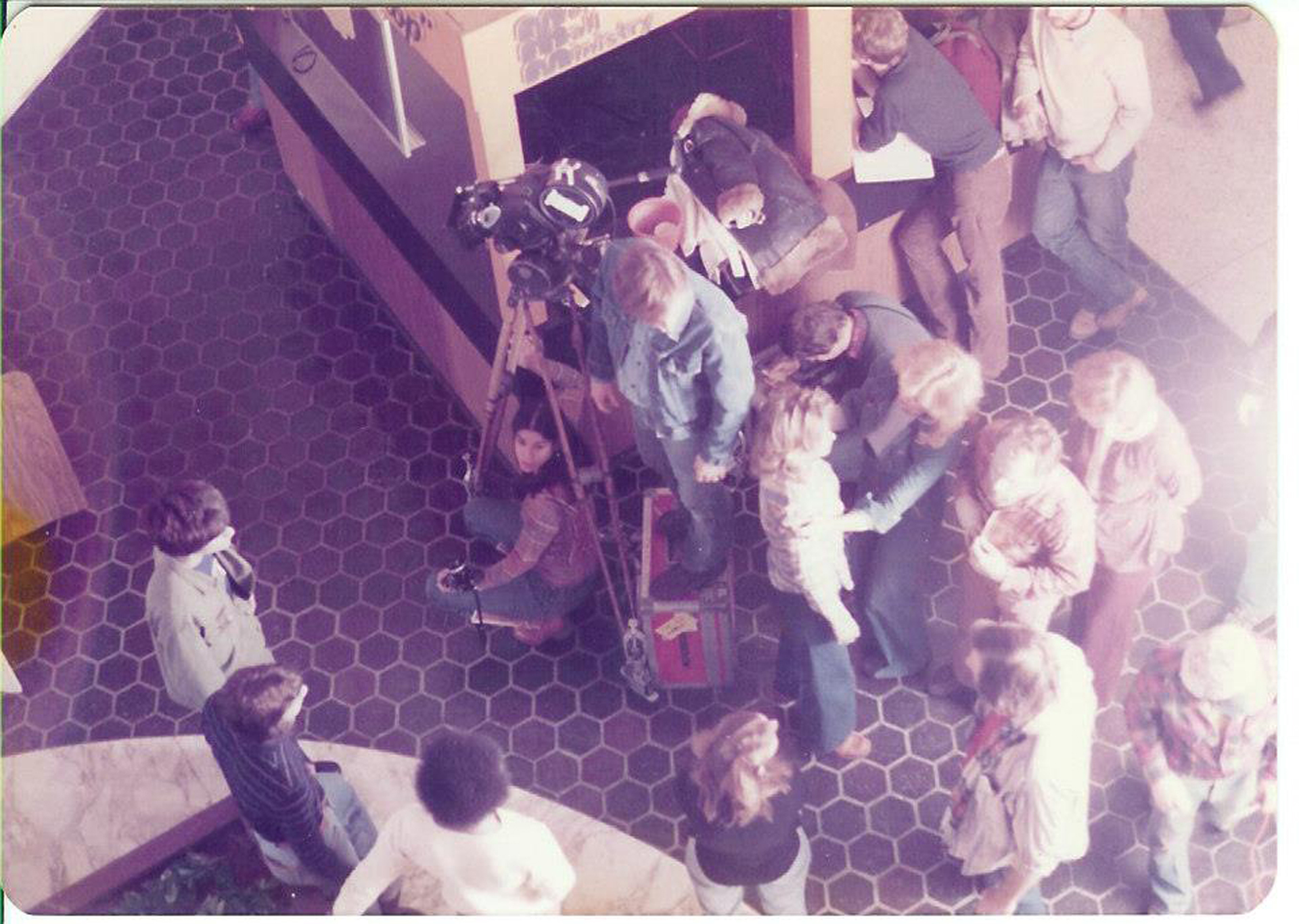
That schedule also explains why the production has remained so memorable to locals and participants. Monroeville Mall stayed alive as a commercial space by day while becoming a horror set by night. Later interviews and retrospective reporting recall that the production had to pause around the Christmas season because the holiday décor created continuity problems and was too cumbersome to remove and replace nightly. Even when one treats that detail cautiously—as a later recollection rather than the cleanest contemporaneous production memo—it fits the broader verified pattern: this was a film made inside a still-operating mall, under tight temporal constraints, during a very specific seasonal retail cycle. WESA’s 2024 retrospective likewise emphasizes that most of the shooting took place at the then-decade-old Monroeville Mall beginning in November 1977 and that the mall was the fulcrum of the film’s satire of consumer culture.
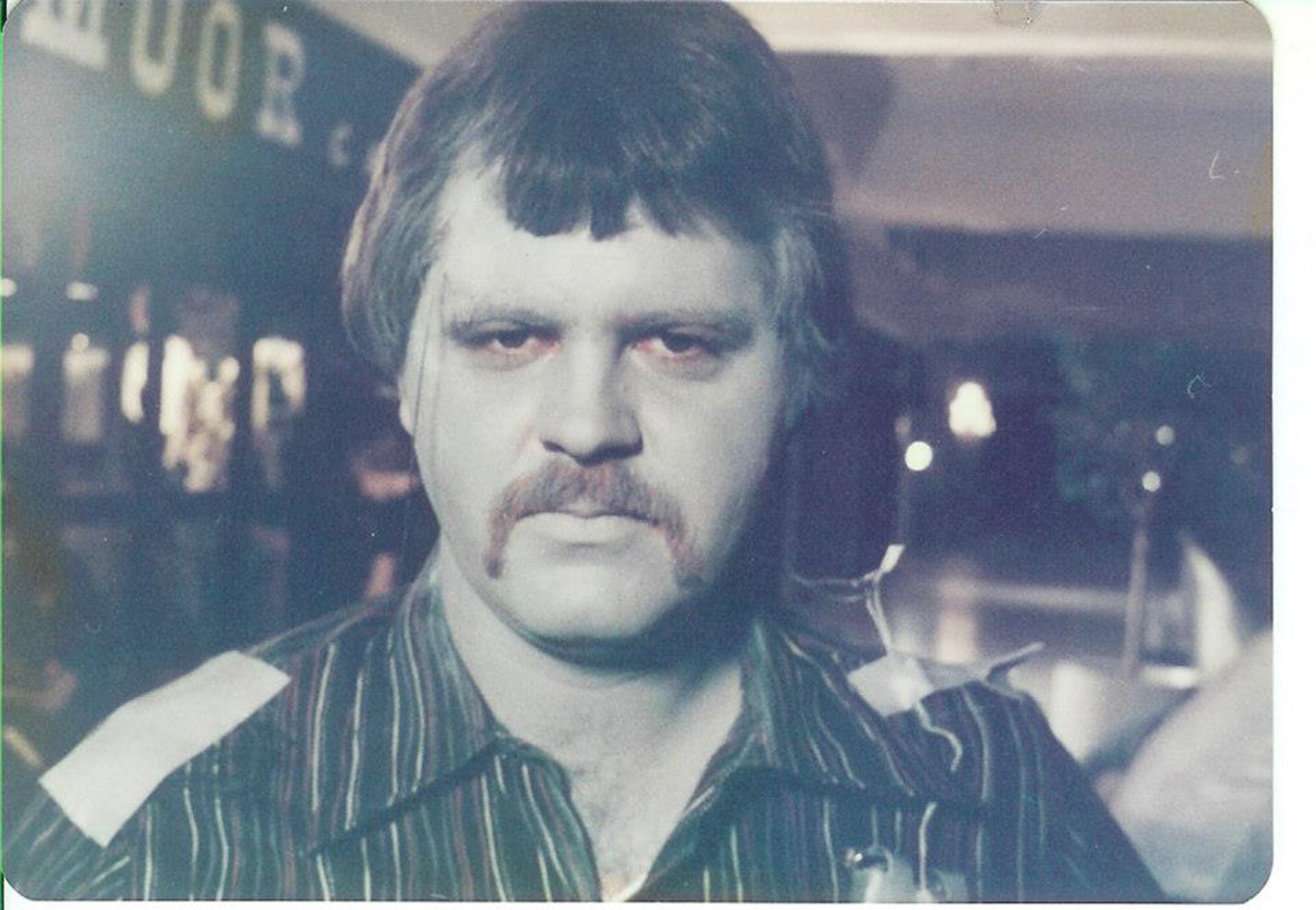
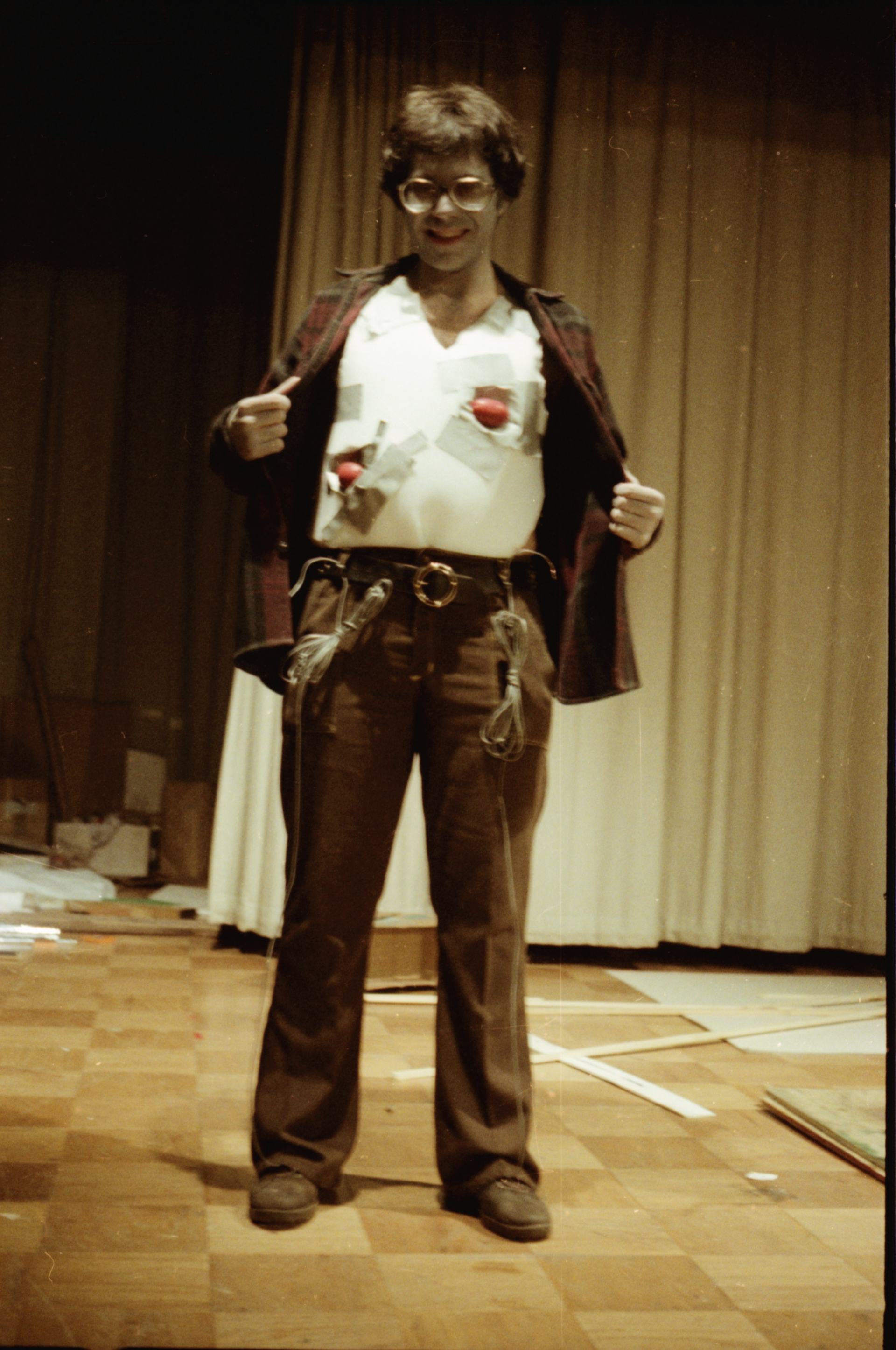
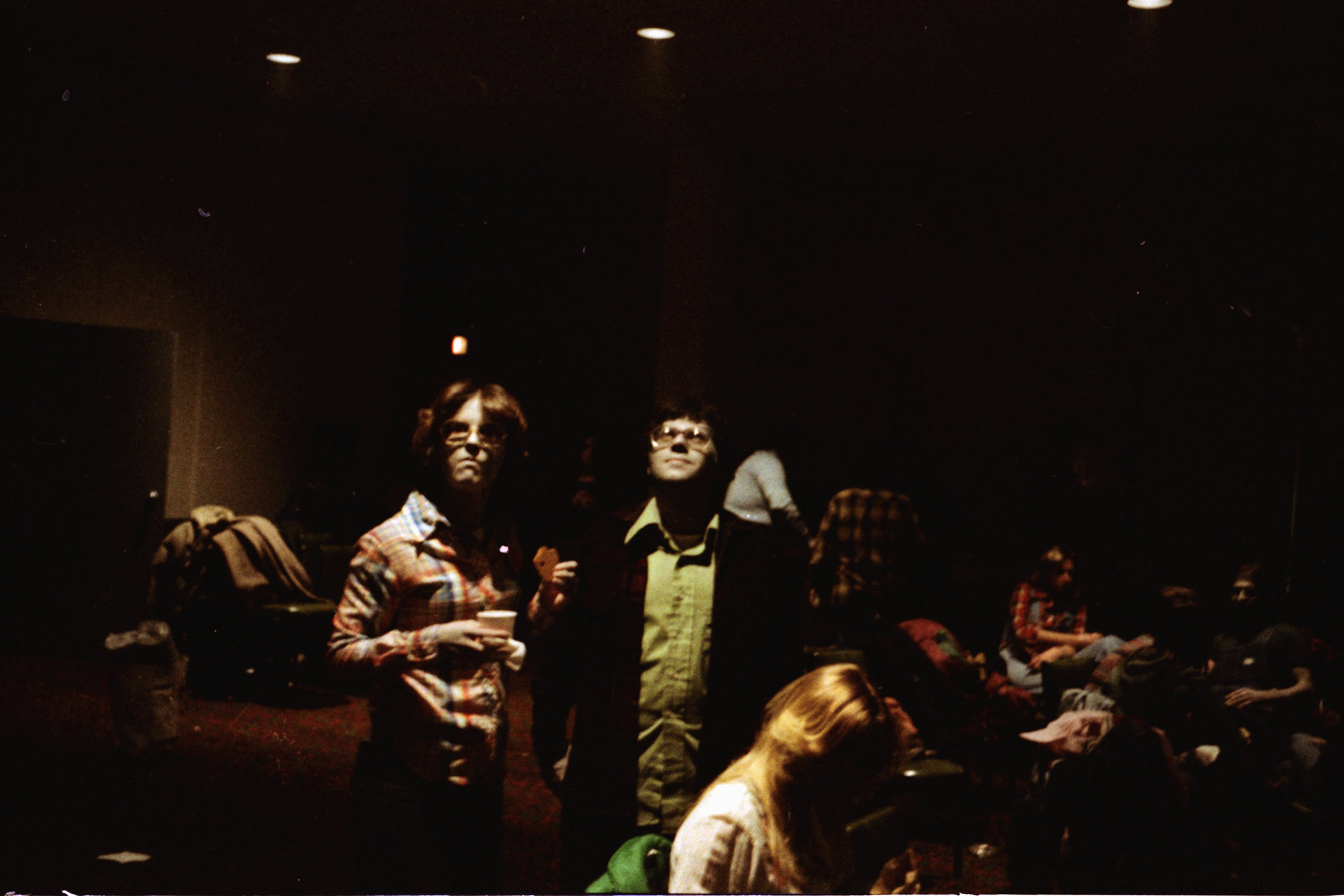
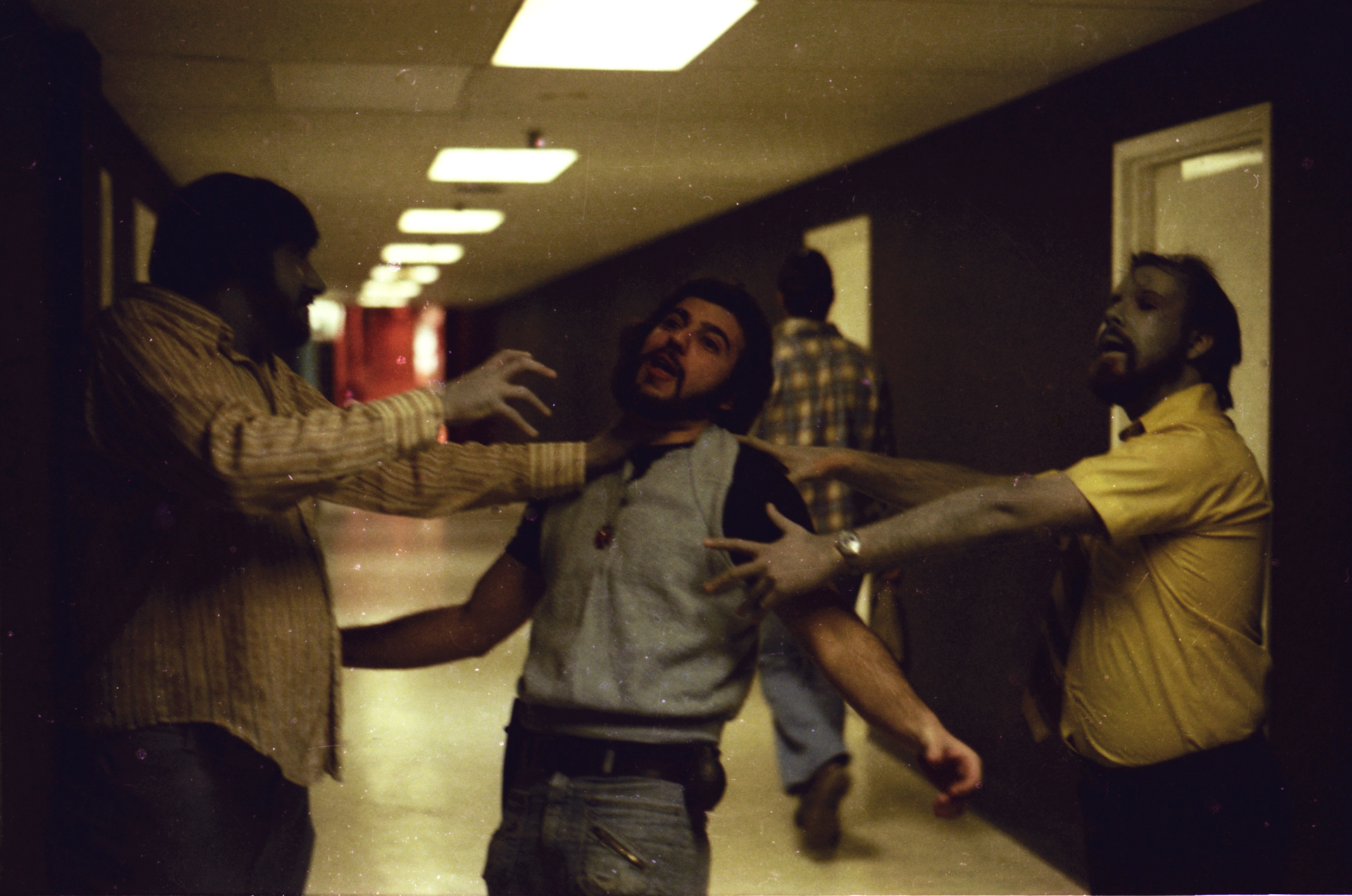
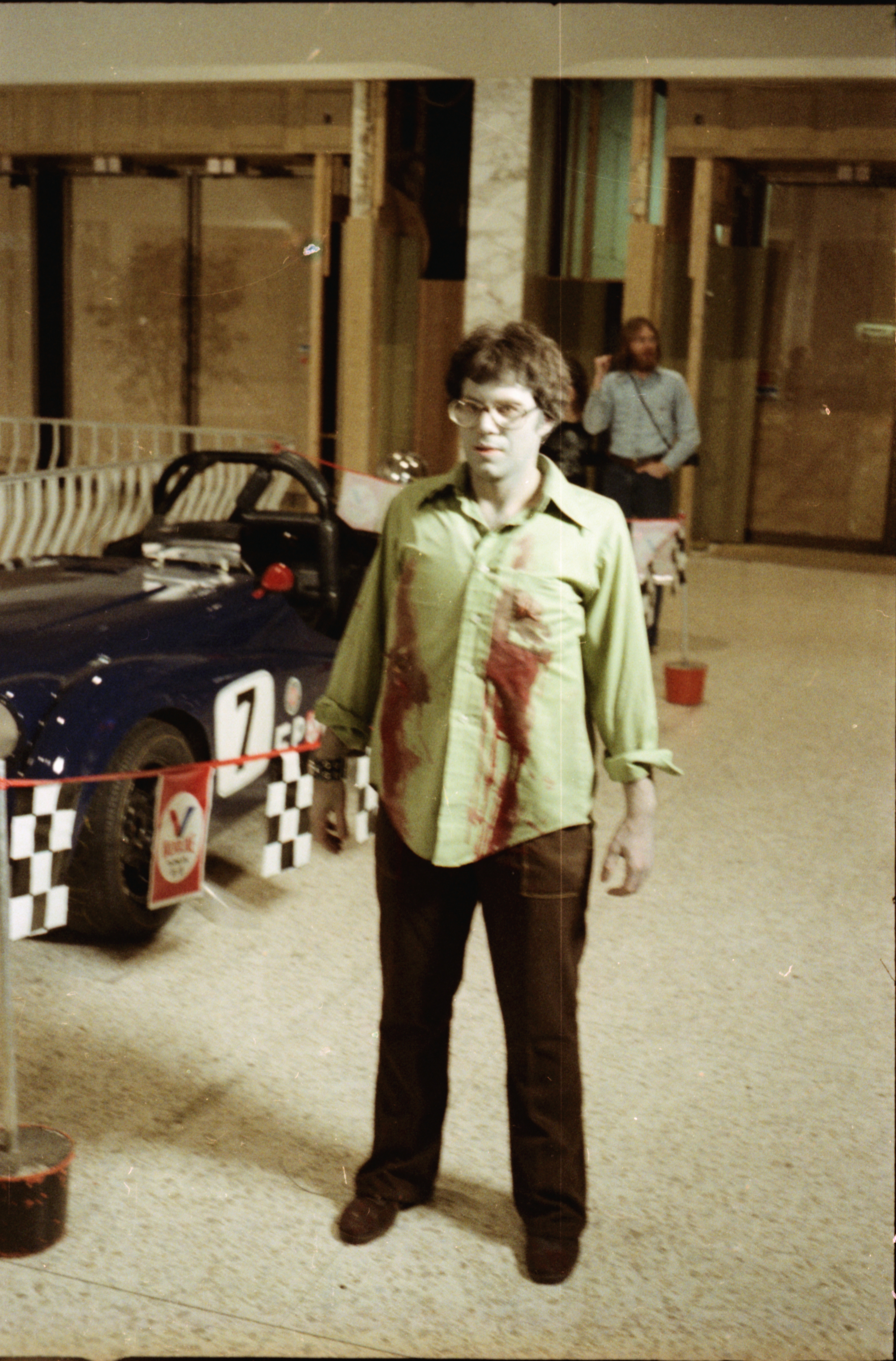
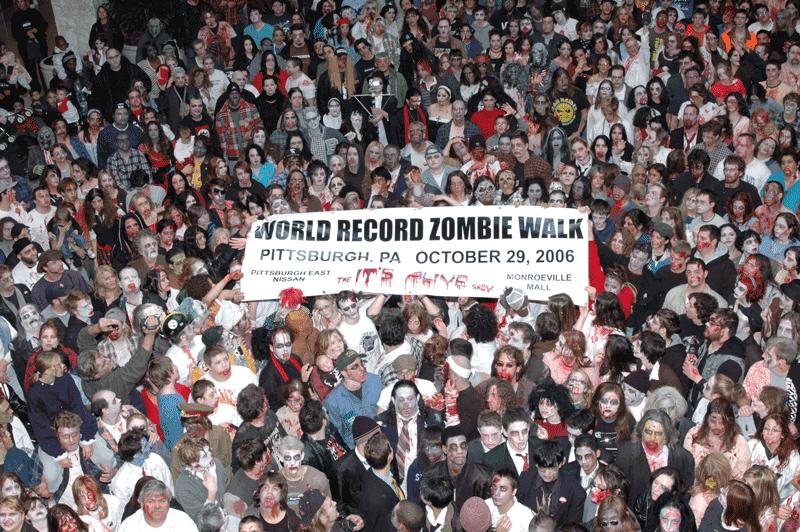
The local human dimension is just as important as the logistics. The production drew heavily from western Pennsylvania talent and extras, and later historians of Romero’s work note how eagerly local people turned up for the chance to appear in the film. The Heinz History Center’s write-up on Romero’s legacy stresses that masses of extras lined up, sometimes waiting deep into the night simply for the opportunity to “be zombies” in the mall. That matters for Monroeville Mall history because Dawn of the Dead was not imposed from outside; it became a collaborative local event. The mall was already a regional landmark, but the filming transformed it into something stranger and more durable: a real suburban shopping center that also became a participatory site of horror folklore.
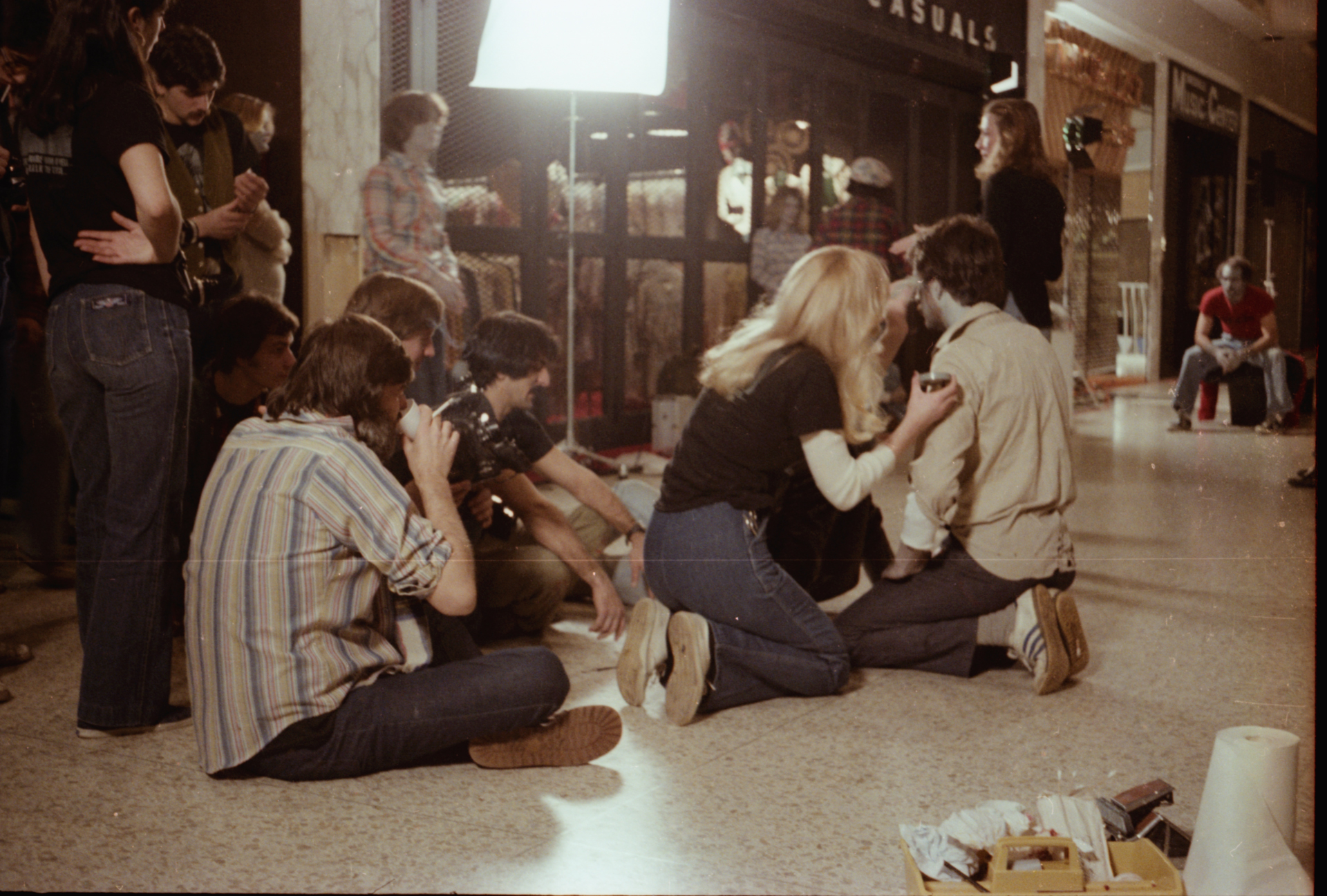
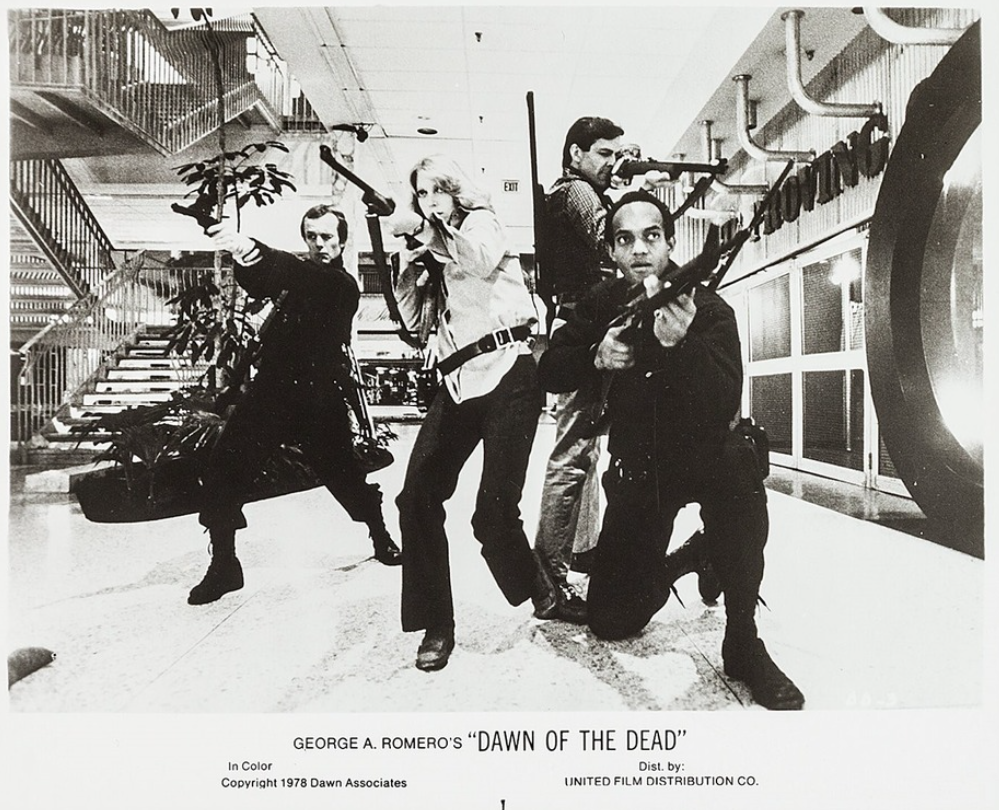
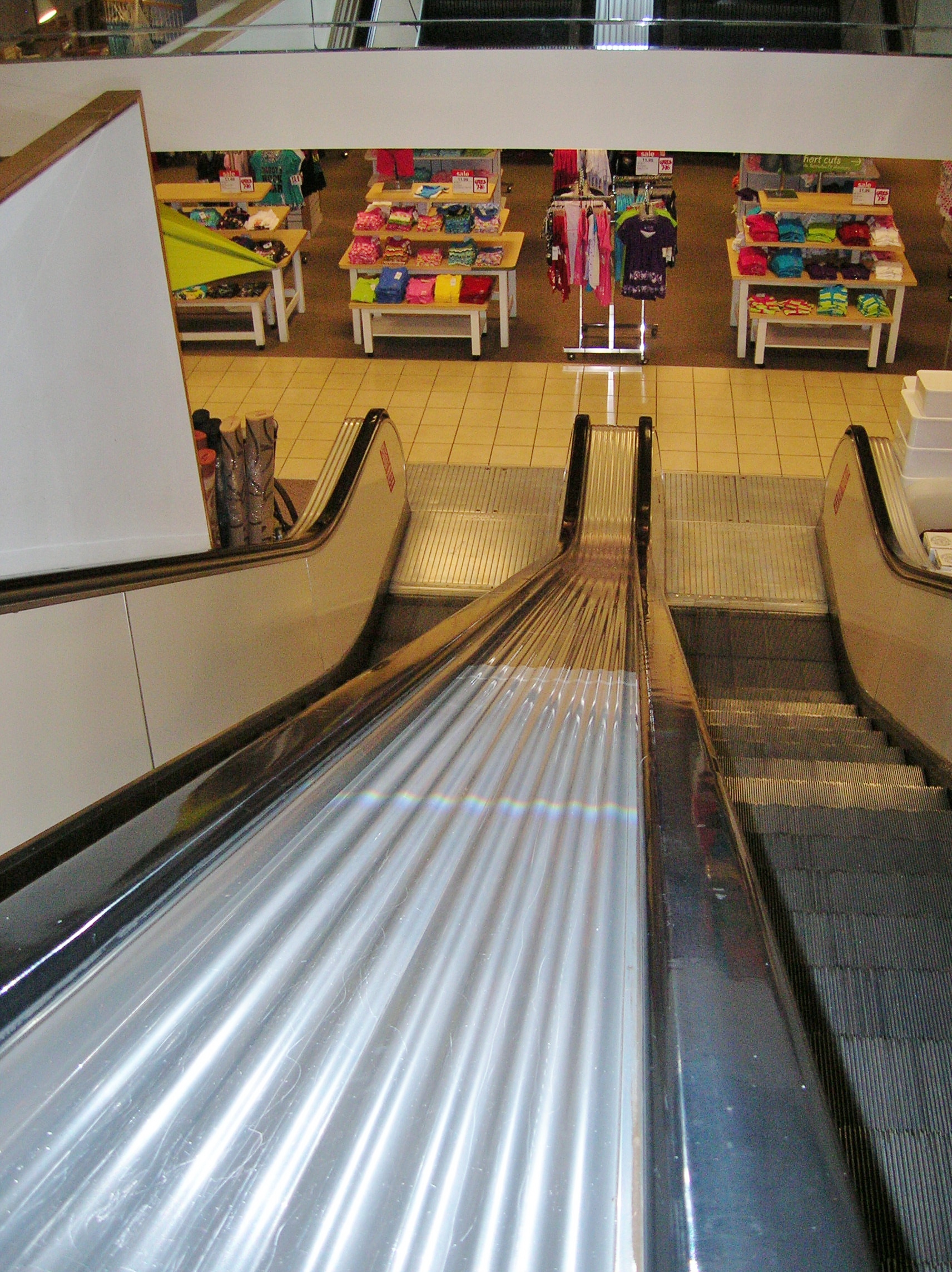
Visually and symbolically, Romero’s use of the mall turned a new kind of American landscape into a cinematic argument. The film’s zombies drift through department-store aisles, escalators, ice-rink-adjacent spaces, display windows, loading areas, and polished public corridors not because they are “scary locations” in a conventional gothic sense, but because the mall itself represented a new concentration of postwar American life. Monroeville Mall was a machine for circulation, routine, aspiration, and consumption. Dawn turned that machine into a metaphor. Later filmmakers and critics repeatedly returned to this point: the film was not just influential because it was gory or exciting, but because it fused modern zombie mythology with a critique of endless consumption so cleanly that the two became hard to separate.
One point that needs to be handled carefully in any permanent write-up is dating. The film is commonly referred to as a 1978 film, which is correct in production and international-release terms, but AFI gives the U.S. theatrical release date as April 19, 1979. Likewise, the budget figures vary in the record: AFI notes contemporary reports ranging from about $700,000 to $1.7 million, while later summaries often cite a figure under $1.5 million and worldwide grosses above $55 million. For archival accuracy, the safest formulation is: filmed in 1977–1978, commonly identified as a 1978 production, released theatrically in the U.S. in 1979, and very successful relative to its cost.
FILM VERSIONS
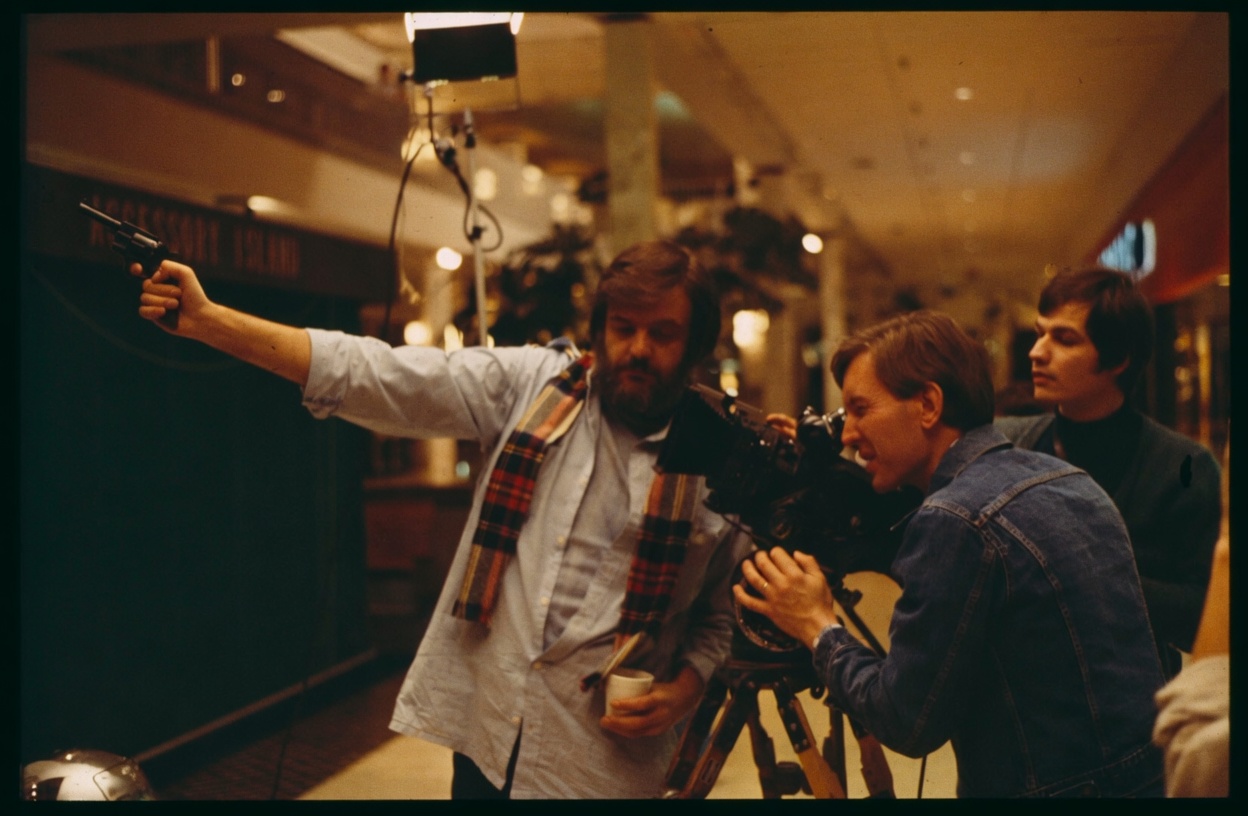
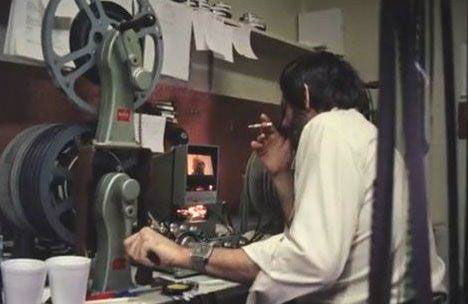
Dawn of the Dead has received a number of re-cuts and re-edits, due mostly to Dario Argento’s rights to edit the film for international foreign language release. Romero controlled the final cut of the film for English-language territories. In addition, the film was edited further by censors or distributors in certain countries. Romero, acting as the editor for his film, completed a hasty 139-minute version of the film (now known as the Extended, or Director’s, Cut) for premiere at the 1978 Cannes Film Festival. This was later pared down to 126 minutes for the U.S. theatrical release. In an era before the NC-17 rating was available from the Motion Picture Association of America, the US theatrical cut of the film earned the taboo rating of X from the association because of its graphic violence. Rejecting this rating, Romero and the producers chose to release the film unrated so as to help the film’s commercial success.
Dario Argento’s European Theatrical 118 minute release was a much different edit and take on the film. This version of the film removed much of the character development in order to keep with a faster paced movie threaded with action and gore. With Germany banning most graphic movies such as this one, Oliver Krekel, owner of the German DVD company, Astro, released a 156 minute ultimate final cut in January 2008 which added an additional 16 minutes to the Cannes cut, also known as the Extended Mall Hours cut. This addition add additional dialog between Peter and Roger, zombie head shot sequences and additional dialog during the Biker raid.
ALTERNATE ENDING THAT NEVER MADE IT TO FILM
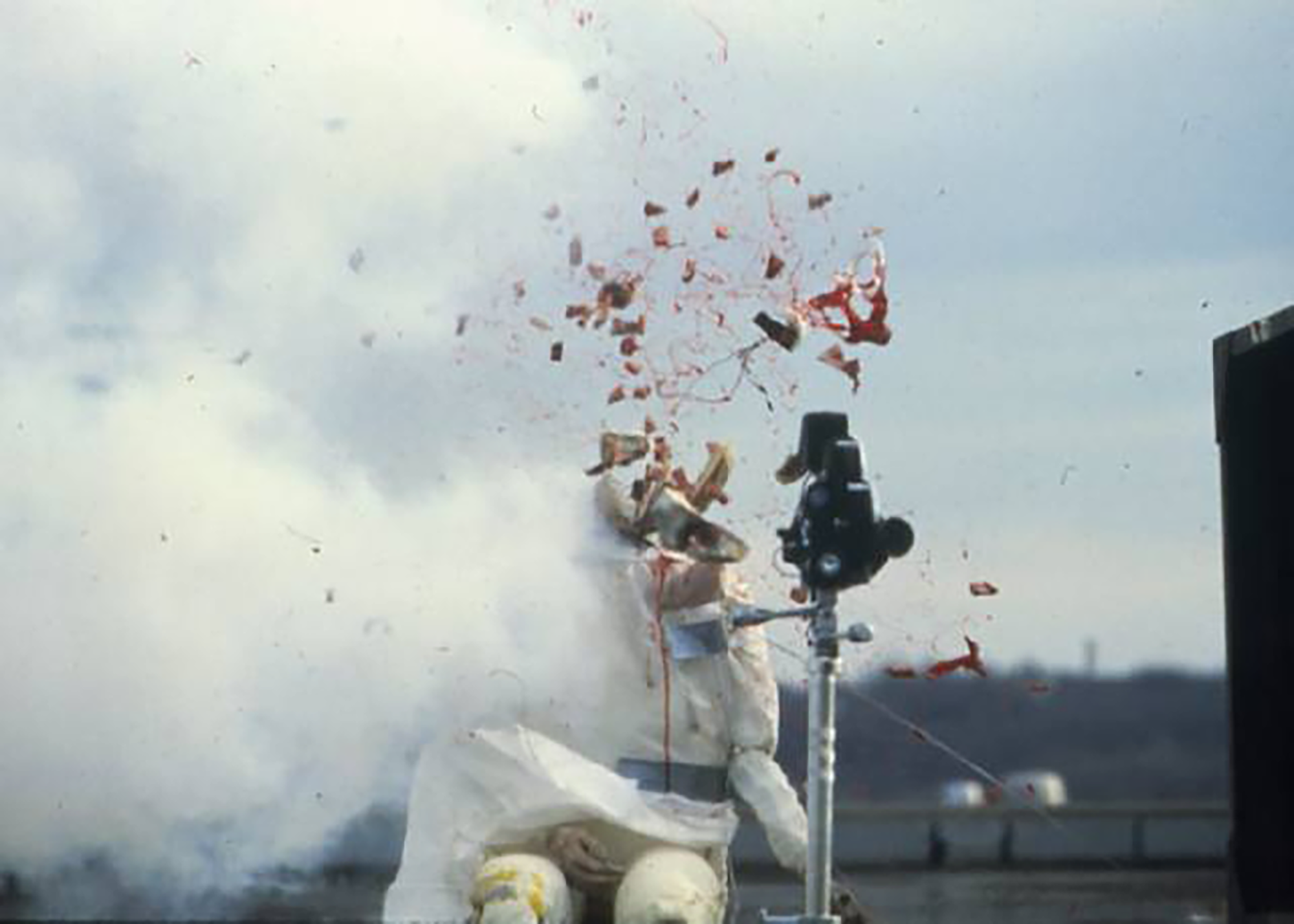
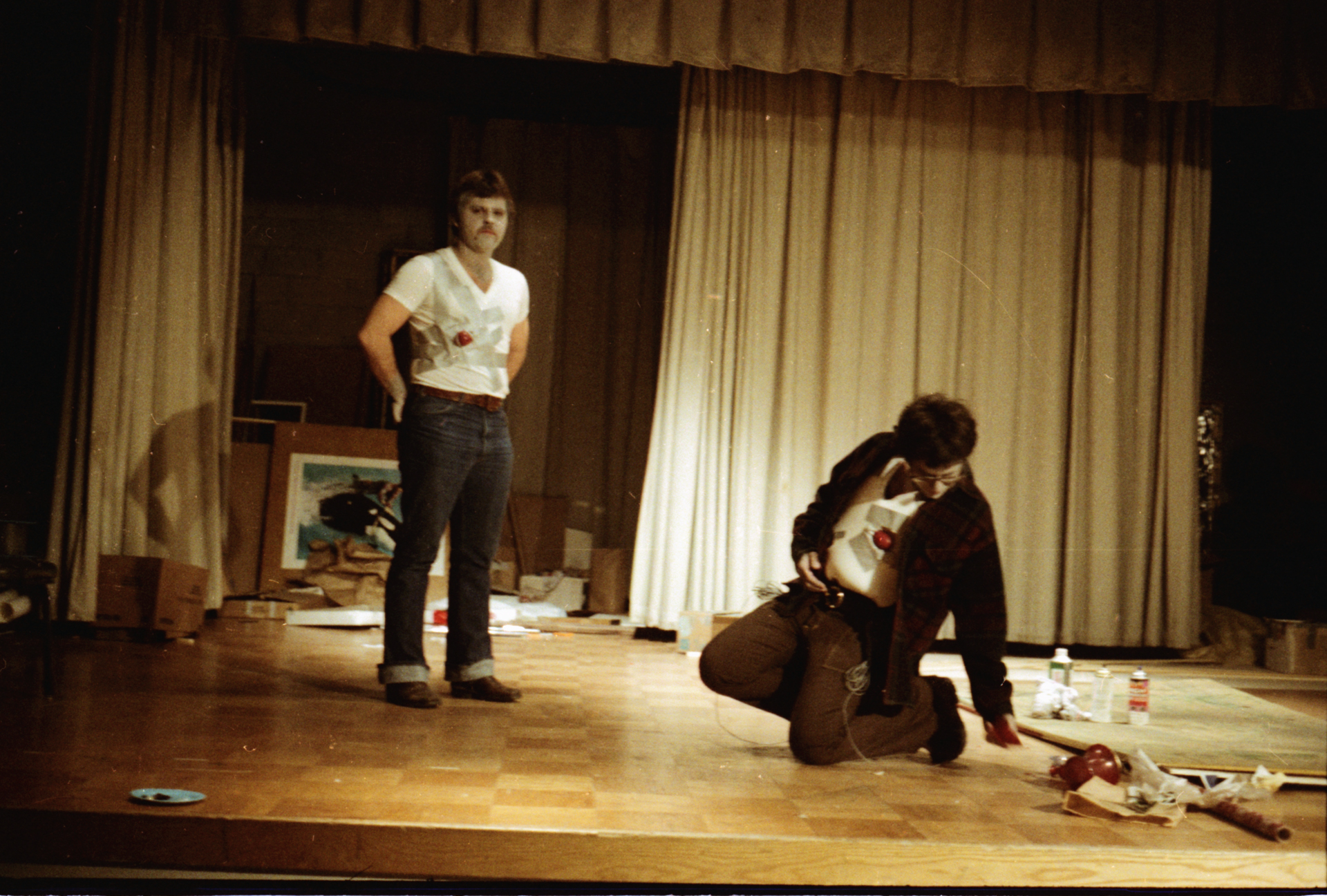
The ending in the final cut of the film was not what Romero had originally planned. According to the original screenplay, Peter was to shoot himself in the head instead of making a heroic escape and Fran would commit suicide by thrusting her head into the helicopter's propeller blades. The end credits would run over a shot of the helicopter's blades turning until the engine winds down, showing that Fran and Peter would not have had enough fuel to escape. During production it was decided to change the ending of the film.
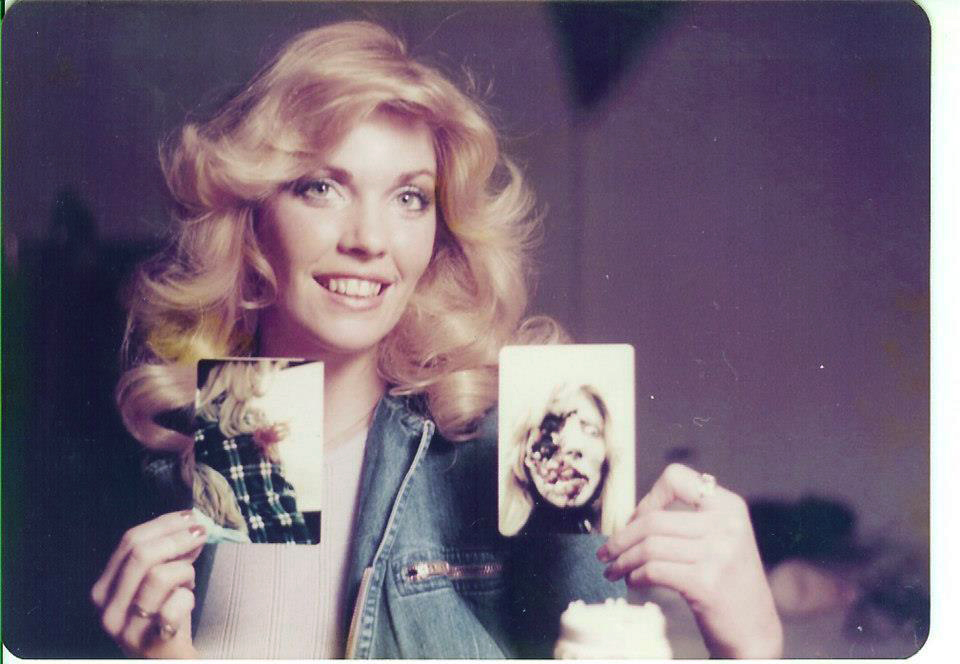
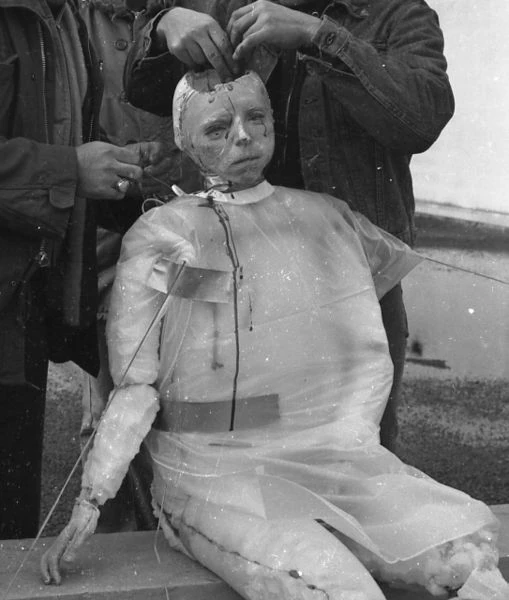
Much of the lead-up to the two suicides was left in the film. Fran stands by the running helicopter waiting for Peter as zombies approach, and Peter puts a gun to his head, ready to shoot himself. However, he suddenly decides to escape with Fran. Romero has stated that the original ending was scrapped before being shot, although behind the scenes photos show the original version was at least tested. The head appliance made for Fran's suicide was used in the film as the head blown off during the SWAT raid on the apartment building. It was made-up to resemble a bearded African American male.
LASTING IMPACT OF THE FILM
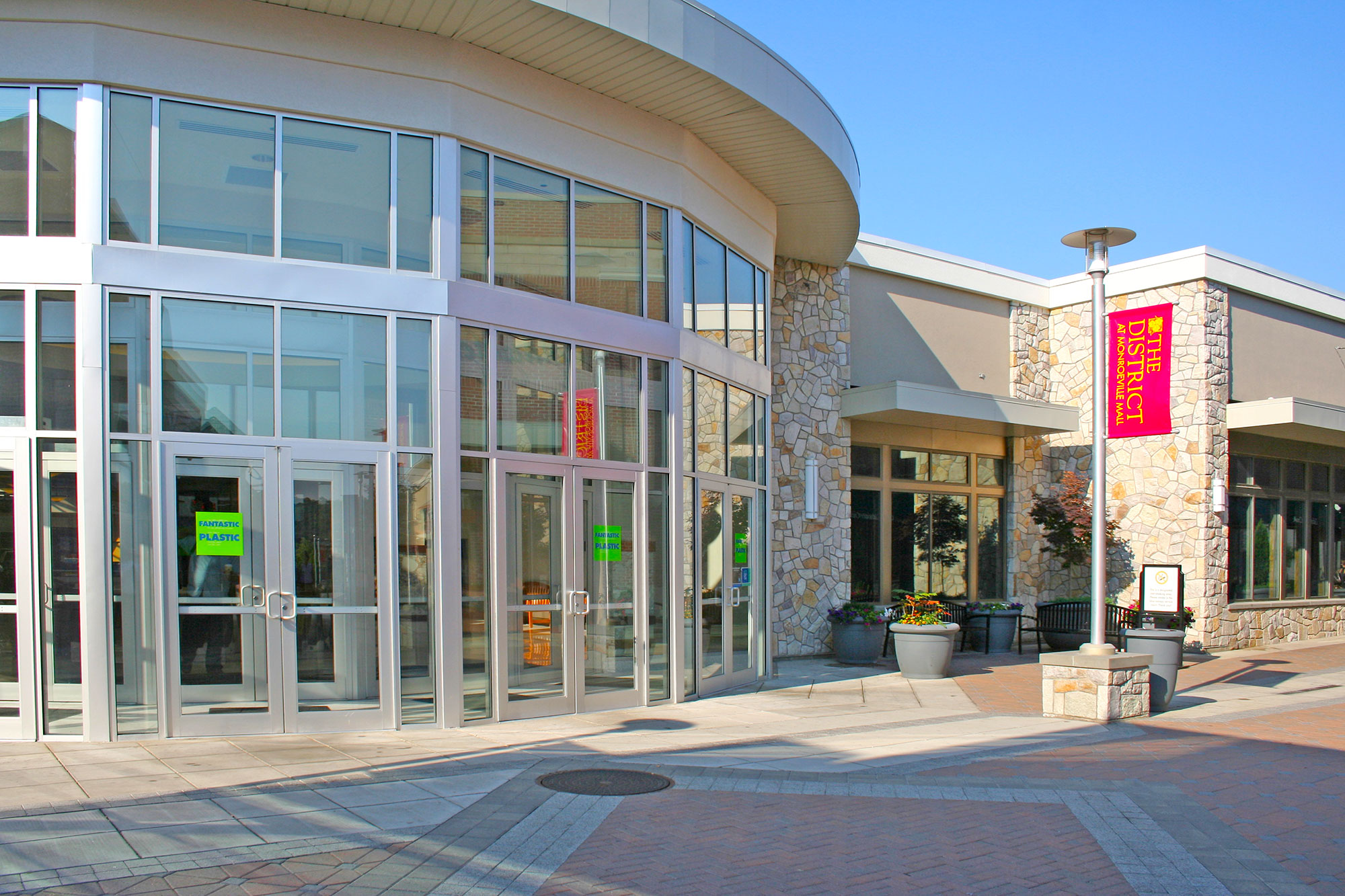
The lasting impact of Dawn of the Dead on Monroeville Mall is unusually concrete. Many films create location trivia; Dawn created a second identity for the place itself. Monroeville Mall stopped being only a suburban retail complex and became part of world horror geography. Pitt’s Romero archive notes directly that the film turned the mall into a destination for fans, while the Heinz History Center shows how physical remnants from the production era—especially the footbridge—have been treated as artifacts worth preservation. The present-day Living Dead Museum inside the mall confirms that this is no longer just fan memory; it is now an interpretive layer of the site’s public history.
The film’s broader impact is even larger. Dawn of the Dead helped standardize the modern Romero-style zombie in global popular culture, but it also did something rarer: it permanently linked horror cinema to the architecture of everyday American life. Later filmmakers, critics, and directors such as Jim Jarmusch have treated Romero’s work as foundational not merely because of the monsters, but because of the way the monsters expose the “dead end” of endless consumption. That is why the Monroeville Mall setting still matters decades later. The mall is not incidental to the film’s meaning; it is the meaning, or at least the machine that makes the meaning visible.