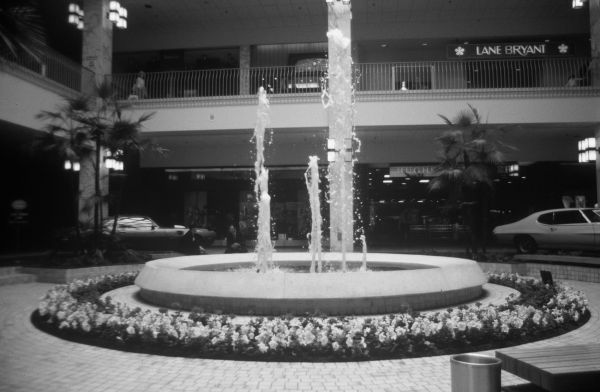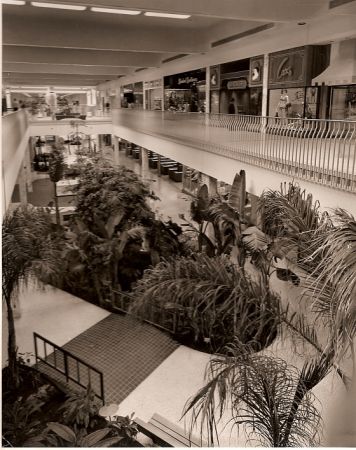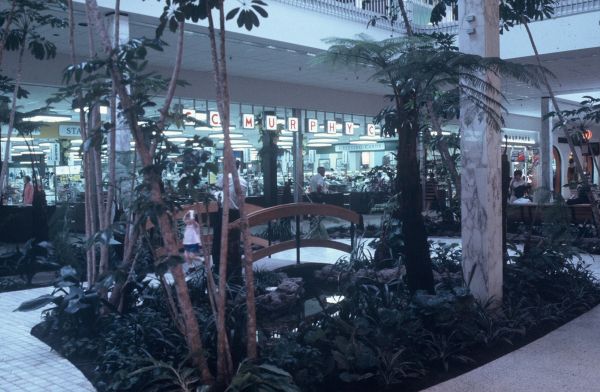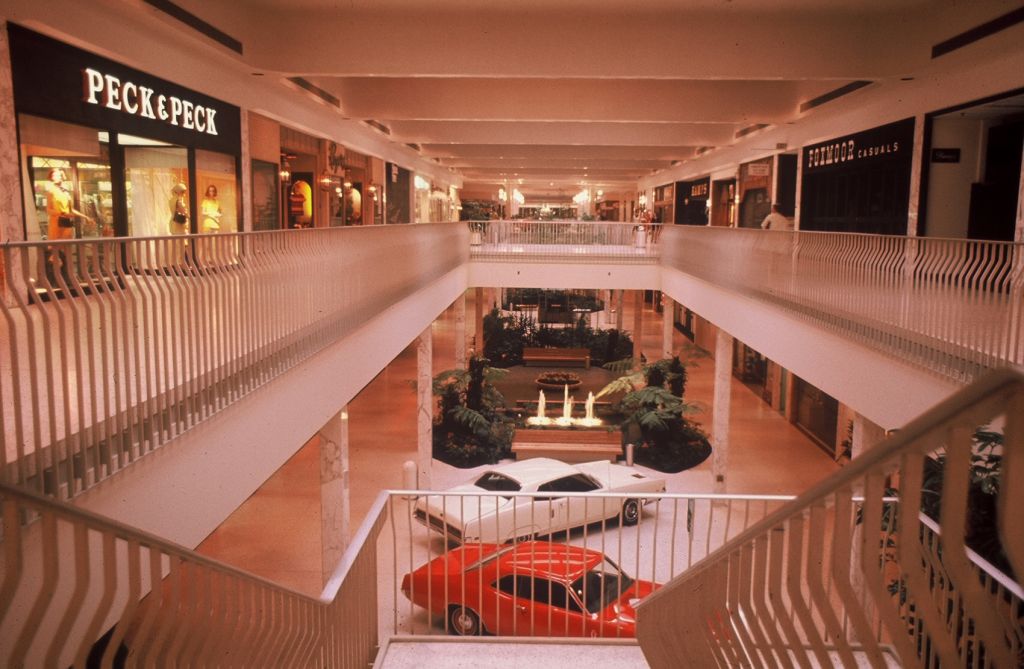
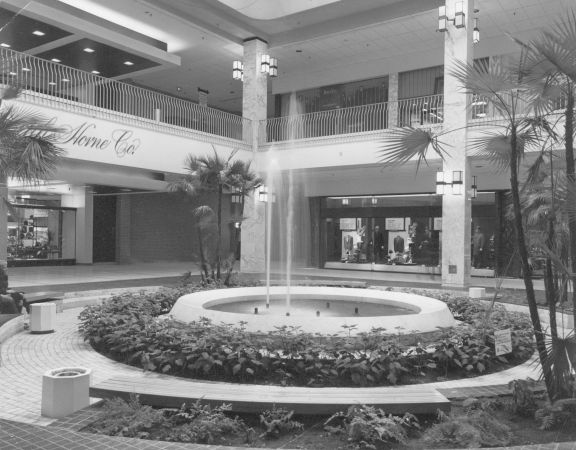
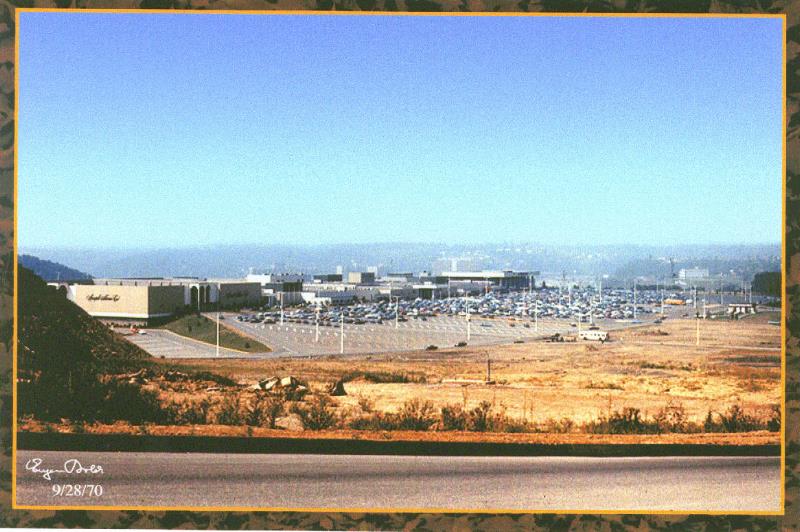
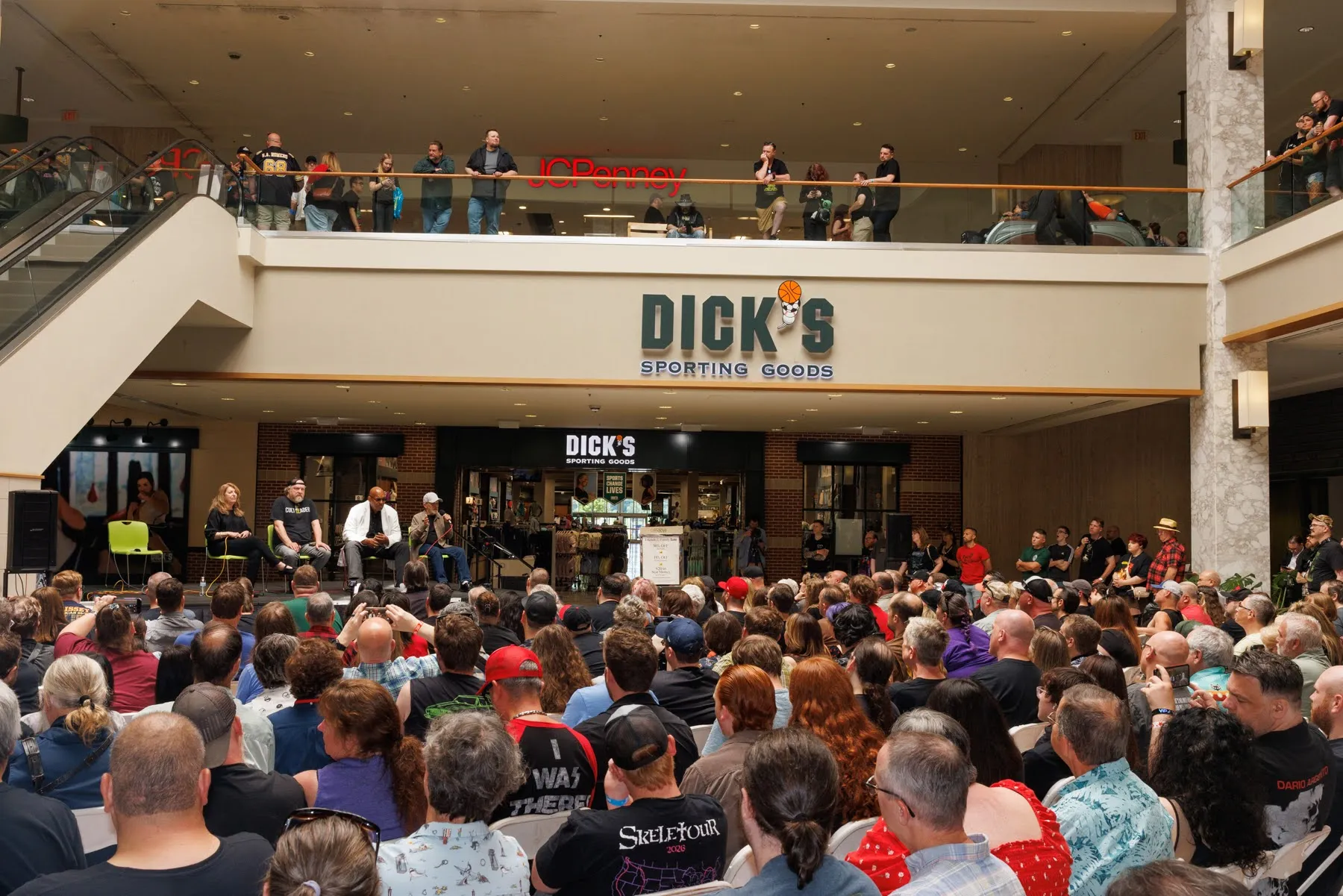
1973 marked an important stage in the evolution of Monroeville Mall from a shopping destination into a broader community center. By this point, the mall’s role as a public gathering place had become especially visible. The Monroeville Mall Community Room hosted events that extended well beyond retail, including lectures, seminars, and specialty shows. Among the documented examples are a Women Concerned seminar in September 1973 and a Tri-State Dealers Association show later that same month. These activities show that the mall was already functioning as more than a commercial complex. It had become a semipublic indoor forum where civic organizations, hobby groups, and community programs could meet. That mattered because it expanded the mall’s audience and utility, drawing visitors for reasons beyond shopping alone and reinforcing its status as a general-purpose suburban center.
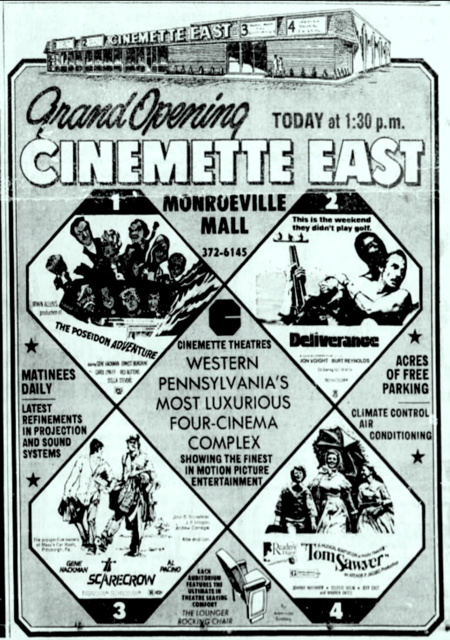
The first movie theater at the Monroeville Mall complex, the Jerry Lewis Monroeville Mall Cinemas, was a northwestern outparcel closest to the Gimbels anchor store. This twin venue opened in 1971 and was shortly thereafter renamed the Monroeville Mall Twin. It was expanded into a 4-screen operation and re-opened, as the Cinemette Theatres Monroeville Mall 4, on August 29, 1973.
1974 was the first year in this period when a major municipal development clearly intersected with the mall era. On May 21, 1974, Monroeville voters approved the Home Rule Charter, a milestone that reflected the community’s rapid growth and its need for a more modern and self-directed form of government. The charter itself emphasized stronger planning, clearer administration, and improved fiscal management, all of which were increasingly necessary in a municipality being reshaped by postwar suburban expansion. In commercial terms, this was significant because Monroeville was no longer simply a township with scattered development; it was becoming a fully formed suburban hub, with the mall district at its center. At roughly the same time, the Sheraton Inn-on-the-Mall was clearly in operation by late 1974, underscoring the fact that the mall area was developing into a larger hospitality and service corridor. The combination of growing municipal sophistication and hotel development suggests that the mall was already influencing, and benefiting from, a wider pattern of business travel, event activity, and longer-stay visitation.
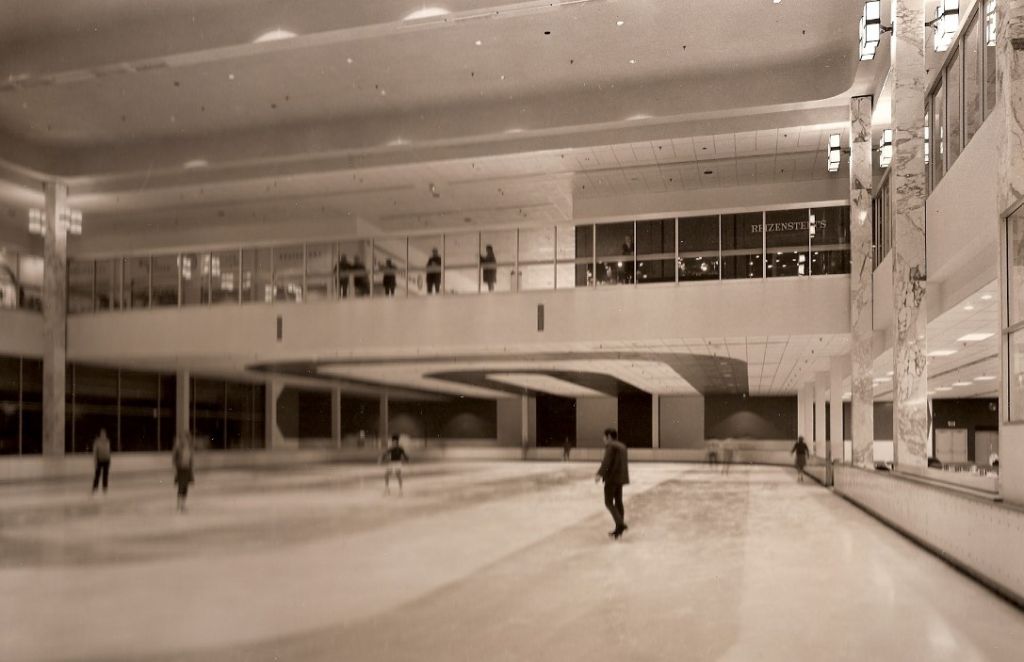
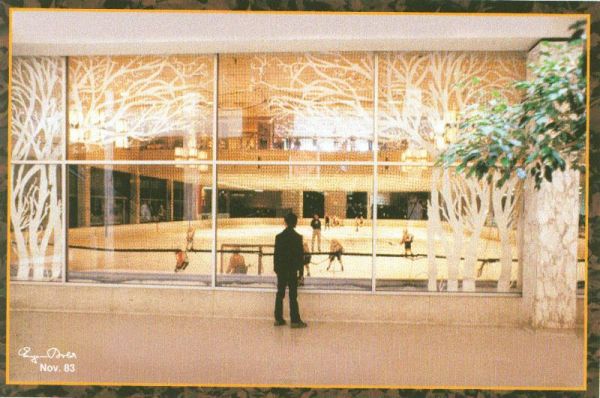
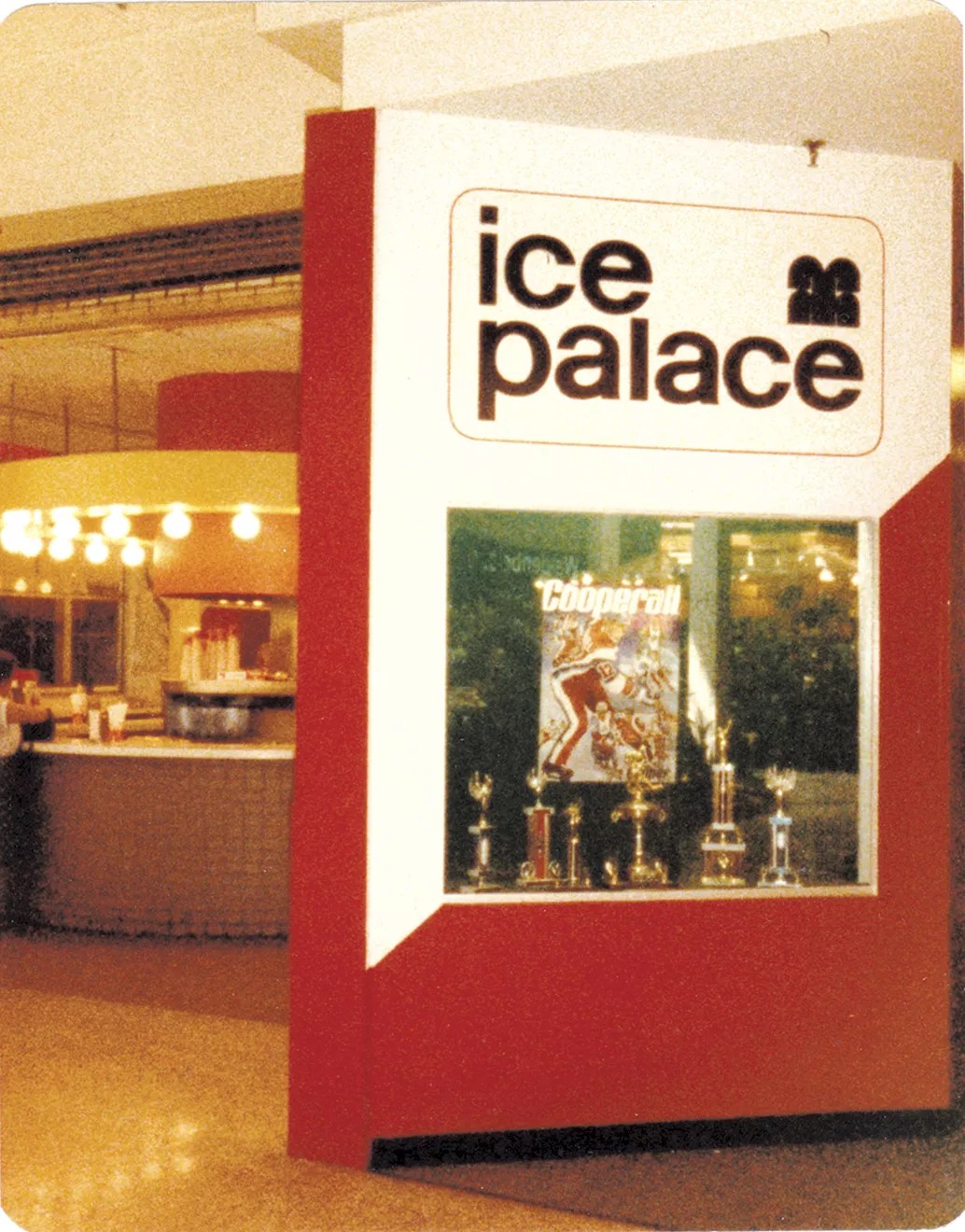
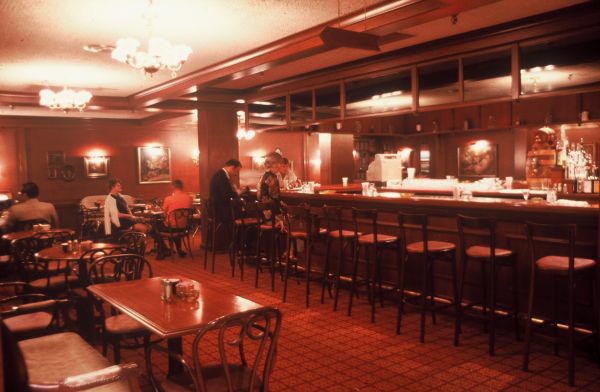
1975 can be understood as one of the clearest years of commercial thickening and amenity growth around Monroeville Mall. On August 12, 1975, the Pittsburgh Press ran the grand opening advertisement announcing that the famous Girves Brown Derby had arrived at Monroeville Mall, confirming the addition of a major restaurant and lounge destination. This was part of a broader pattern in which Monroeville’s commercial identity was becoming increasingly tied not only to retail shopping, but also to dining, social life, and entertainment. Historic accounts from the period note that bars and restaurants were springing up along the Route 22 strip between Miracle Mile and the mall, with places such as Johnny Garneau’s attracting both locals and out-of-town visitors. The mall also hosted a county services display in September 1975, further emphasizing that it served as a civic-commercial hub. The Ice Palace, while not new in 1975, remained one of the mall’s defining features during this period. From the mall’s earliest years it had stood out as a regulation-size rink and a major leisure attraction, helping distinguish Monroeville Mall from more conventional shopping centers. Taken together, these developments show that by 1975 the mall was deeply embedded in a broader restaurant-hotel-services corridor, where shopping increasingly blended with dining, recreation, and civic promotion.
1976 was both a Bicentennial year and a year of formal transition for Monroeville itself. As the United States celebrated the 200th anniversary of the Declaration of Independence on July 4, 1976, Monroeville completed its own important legal transformation. The Home Rule Charter approved in 1974 officially took effect in January 1976, reconstituting Monroeville under a new municipal structure better suited to the demands of a growing suburban population. This governmental transition reflected the same forces that had been reshaping the commercial landscape: continued population growth, expanding retail needs, and the increasing importance of Monroeville as an eastern suburban center.
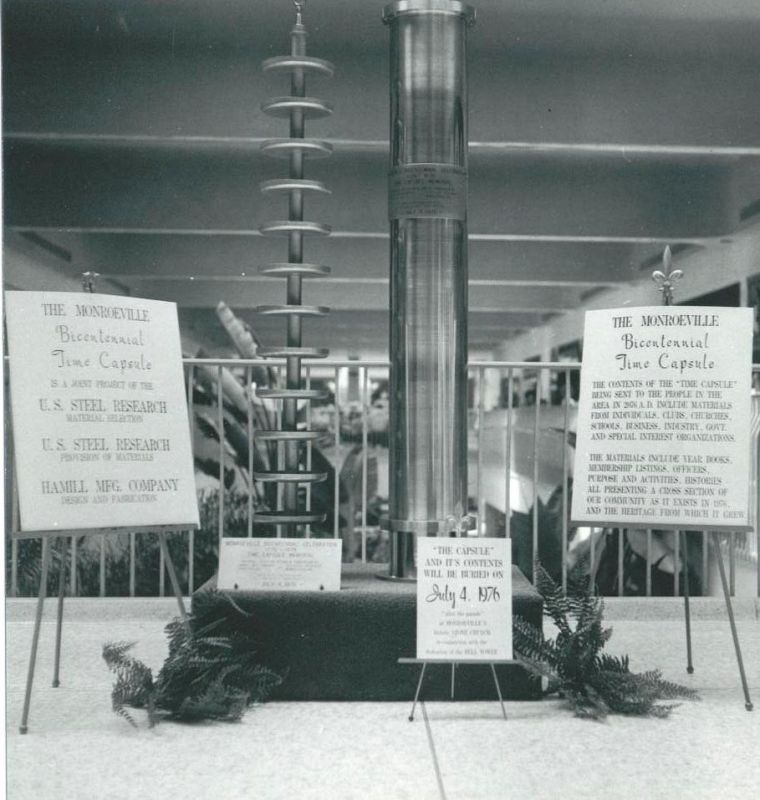
During the Bicentennial year, the mall also became a highly visible stage for local civic identity through the display of Monroeville’s 100-year time capsule. Before being buried at Flag Plaza on the grounds of the Old Stone Church, the capsule was displayed at Monroeville Mall, allowing shoppers and residents to encounter it in the community’s most prominent indoor public space. Designed and built by Hamill Manufacturing Company of Trafford and U.S. Steel Research, the capsule contained roughly one hundred contemporary items intended to represent the life of the community in 1976. It was transported in parade fashion on the back of an antique wagon pulled by the Johnston farm’s Clydesdales before being delivered to its burial site. This episode is especially revealing because it shows that the mall was not merely a place of commerce. By 1976, it had become a civic stage where Monroeville presented its history, identity, and aspirations to the public.
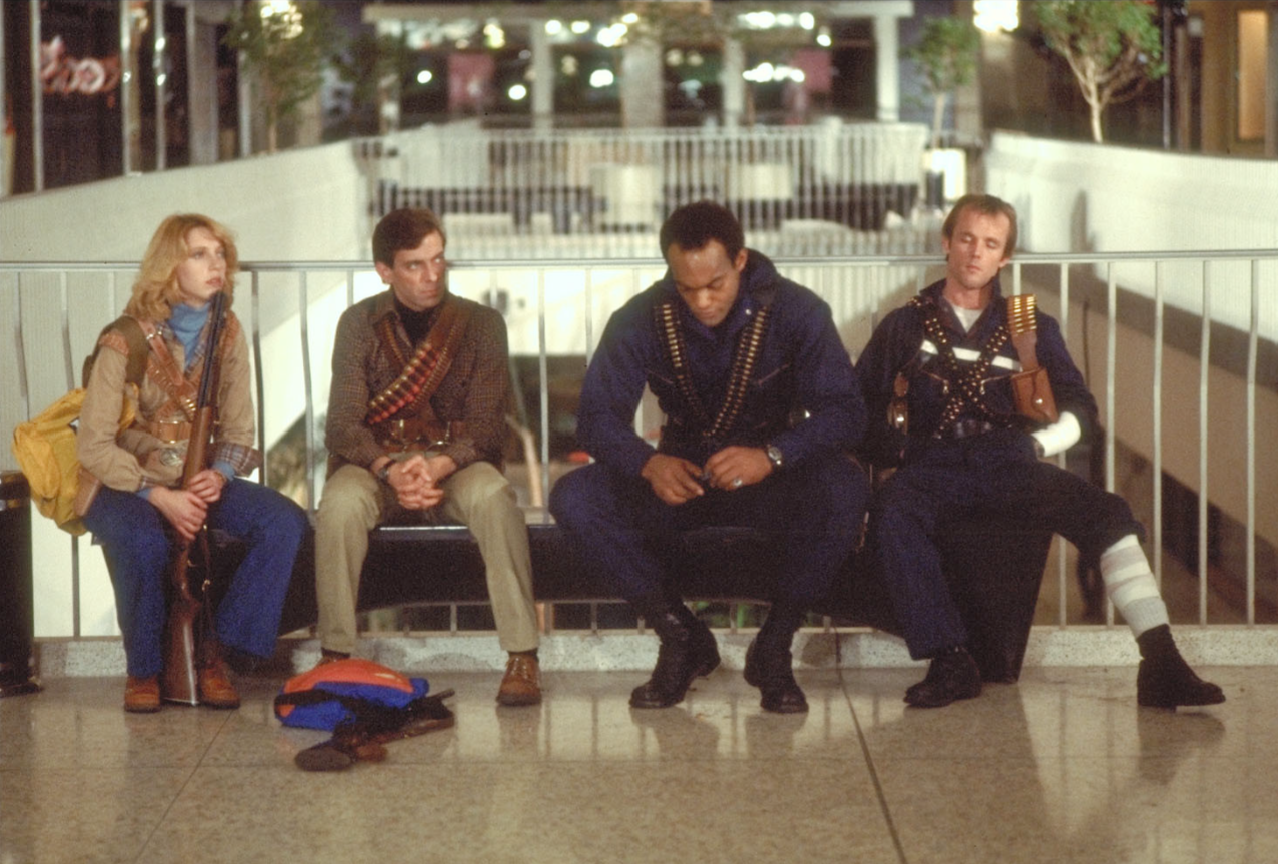
Taken as a whole, the years 1973 through 1976 show Monroeville Mall becoming something larger than a successful shopping center. It was increasingly the indoor focal point of a rapidly growing suburban district — a place where commerce, hospitality, recreation, and civic life converged. Community-room programming, restaurant expansion, the nearby hotel presence, and Bicentennial display activity all helped transform the mall into a center of daily life in Monroeville. That broader role is an important part of understanding why the mall carried such weight locally even before it became nationally famous in the late 1970s.