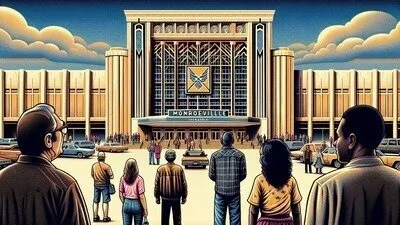
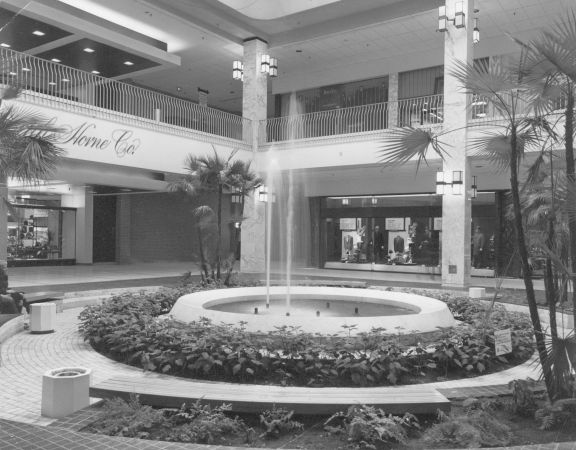
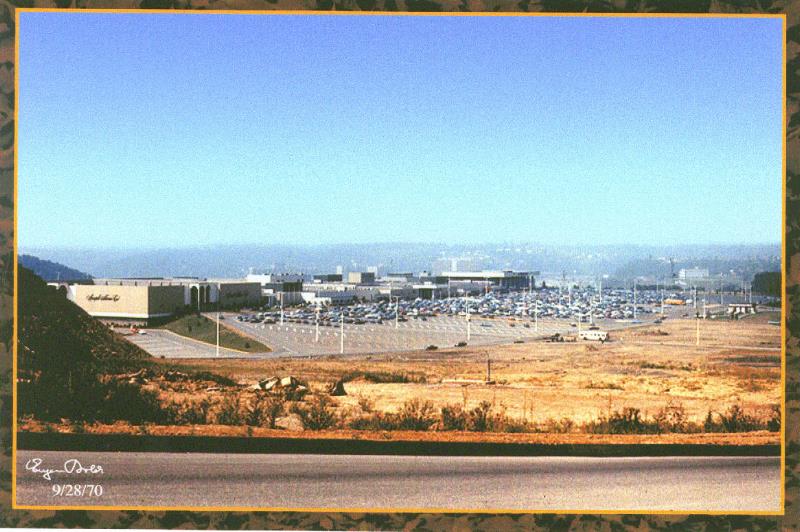
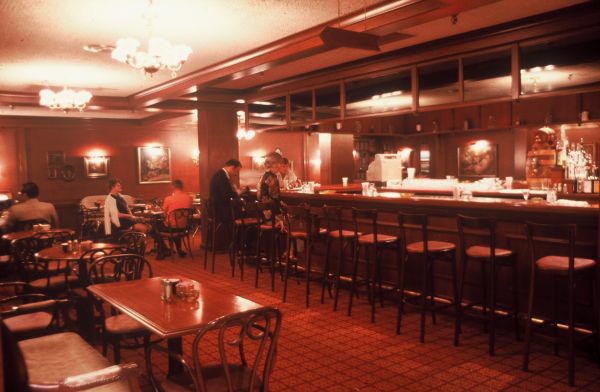
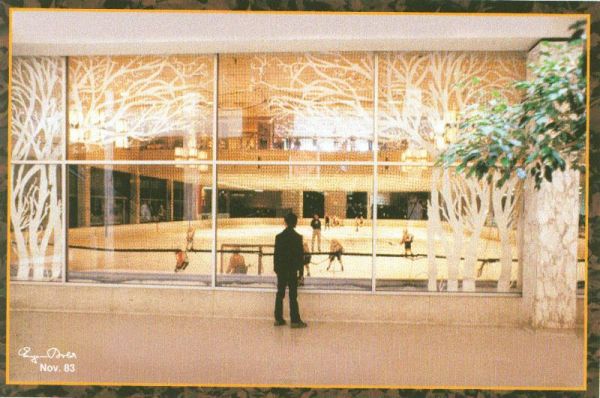
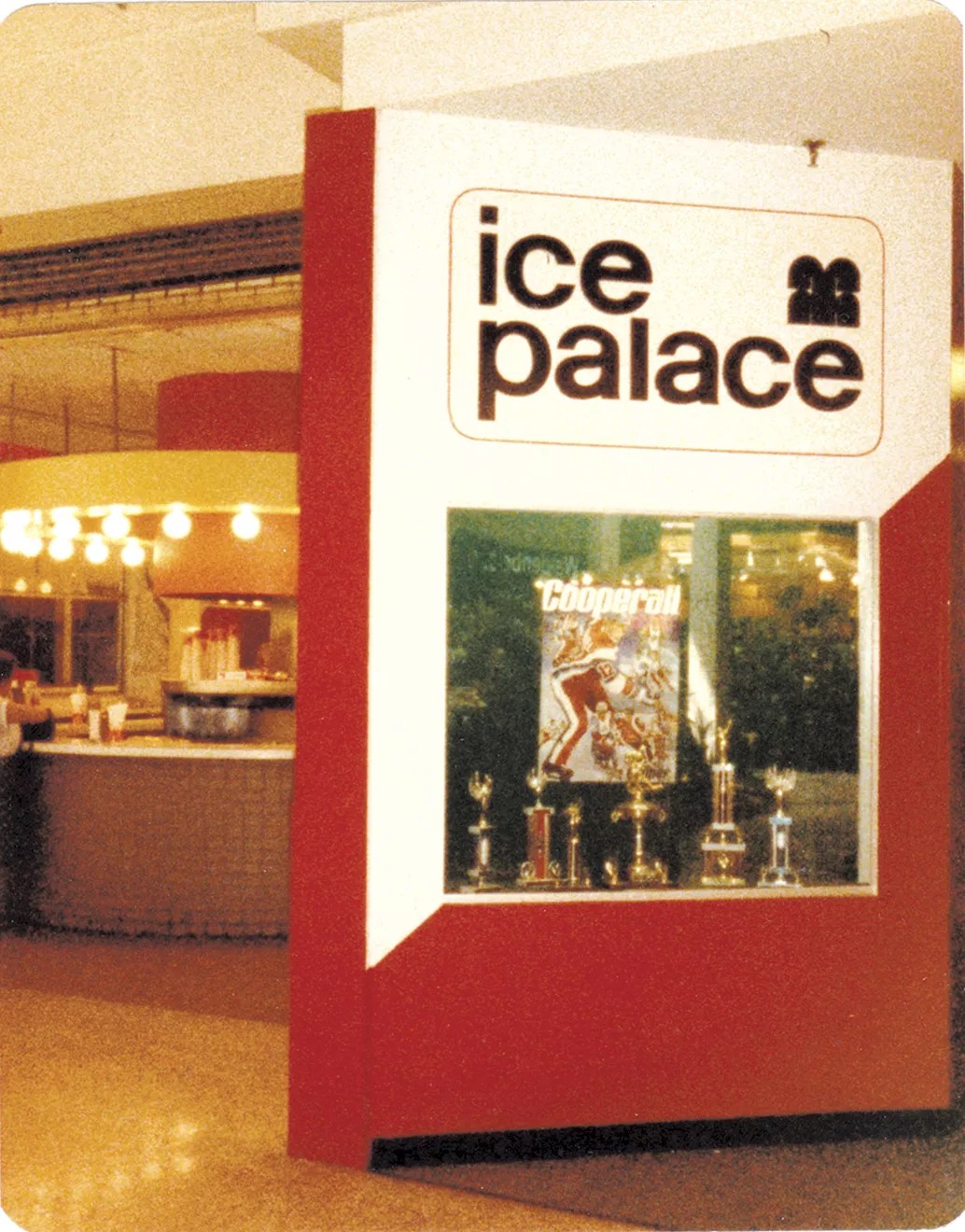
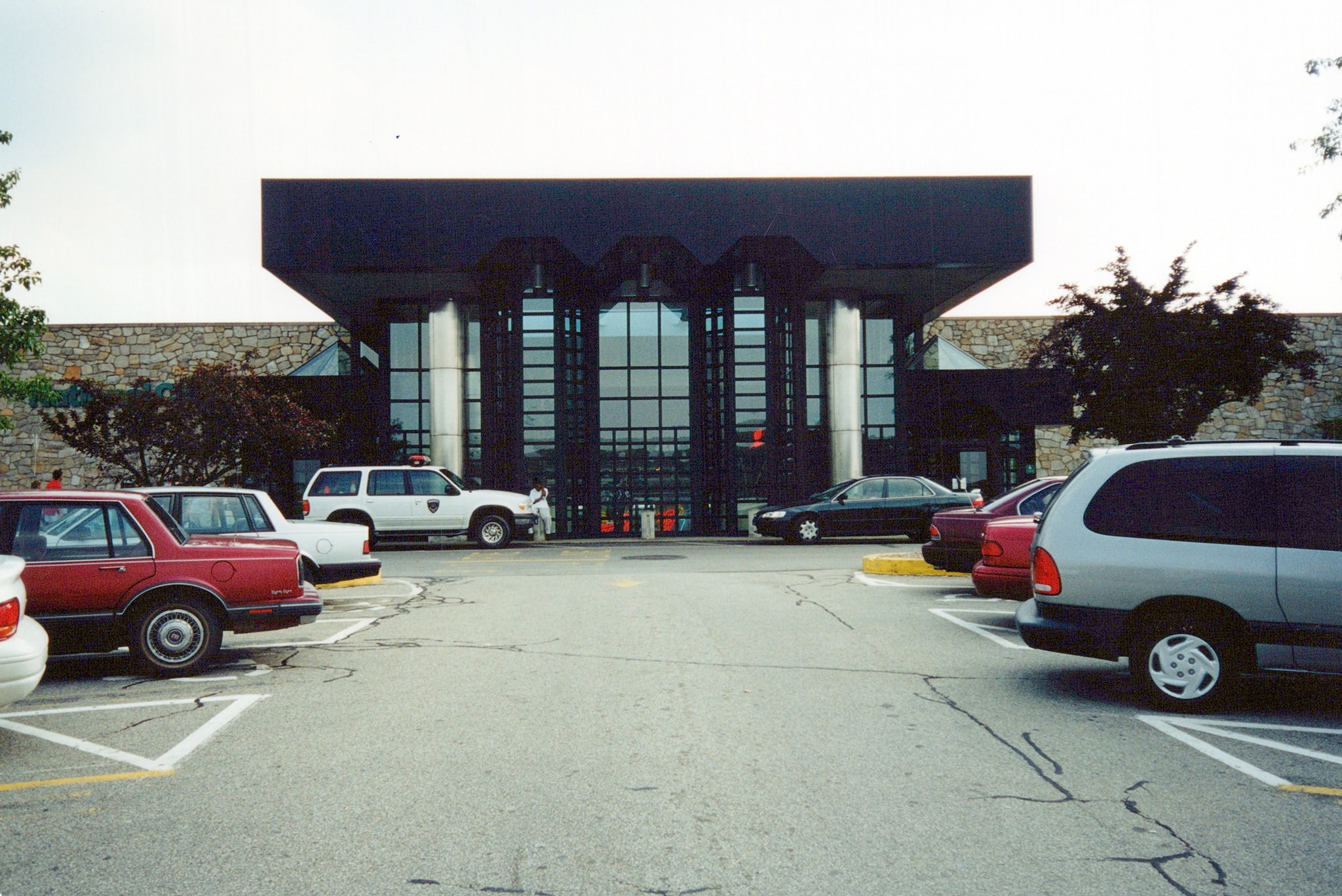
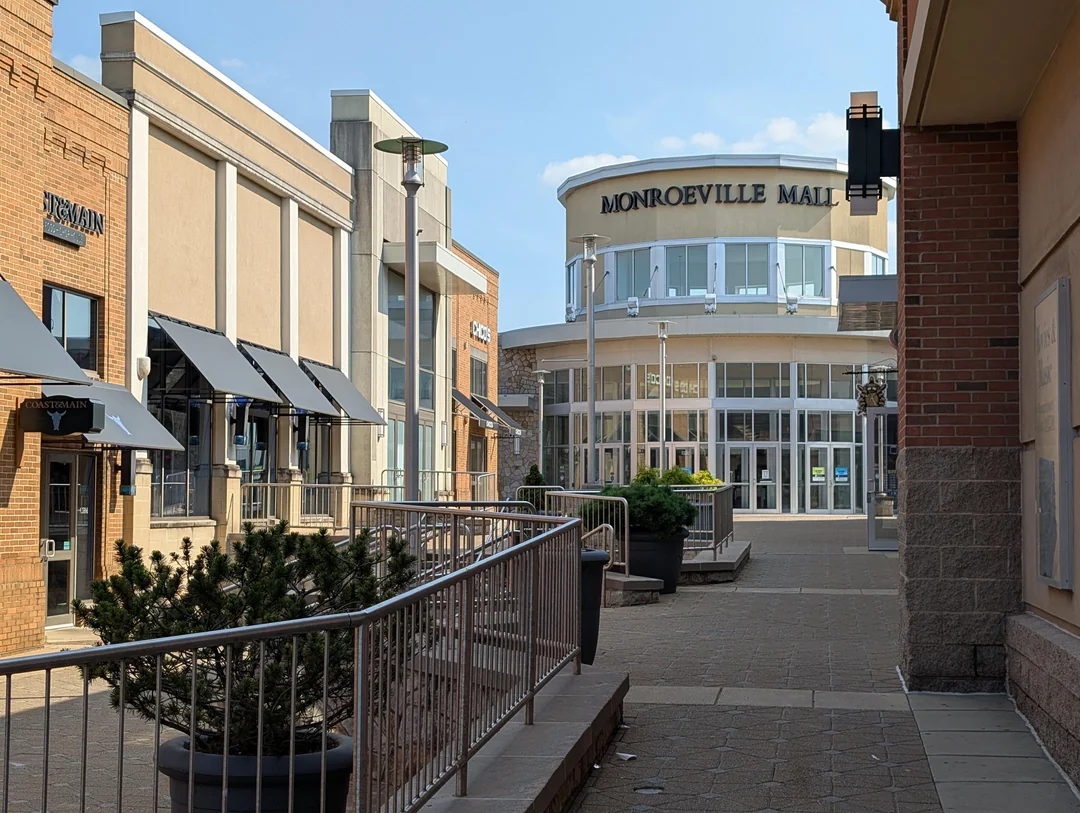
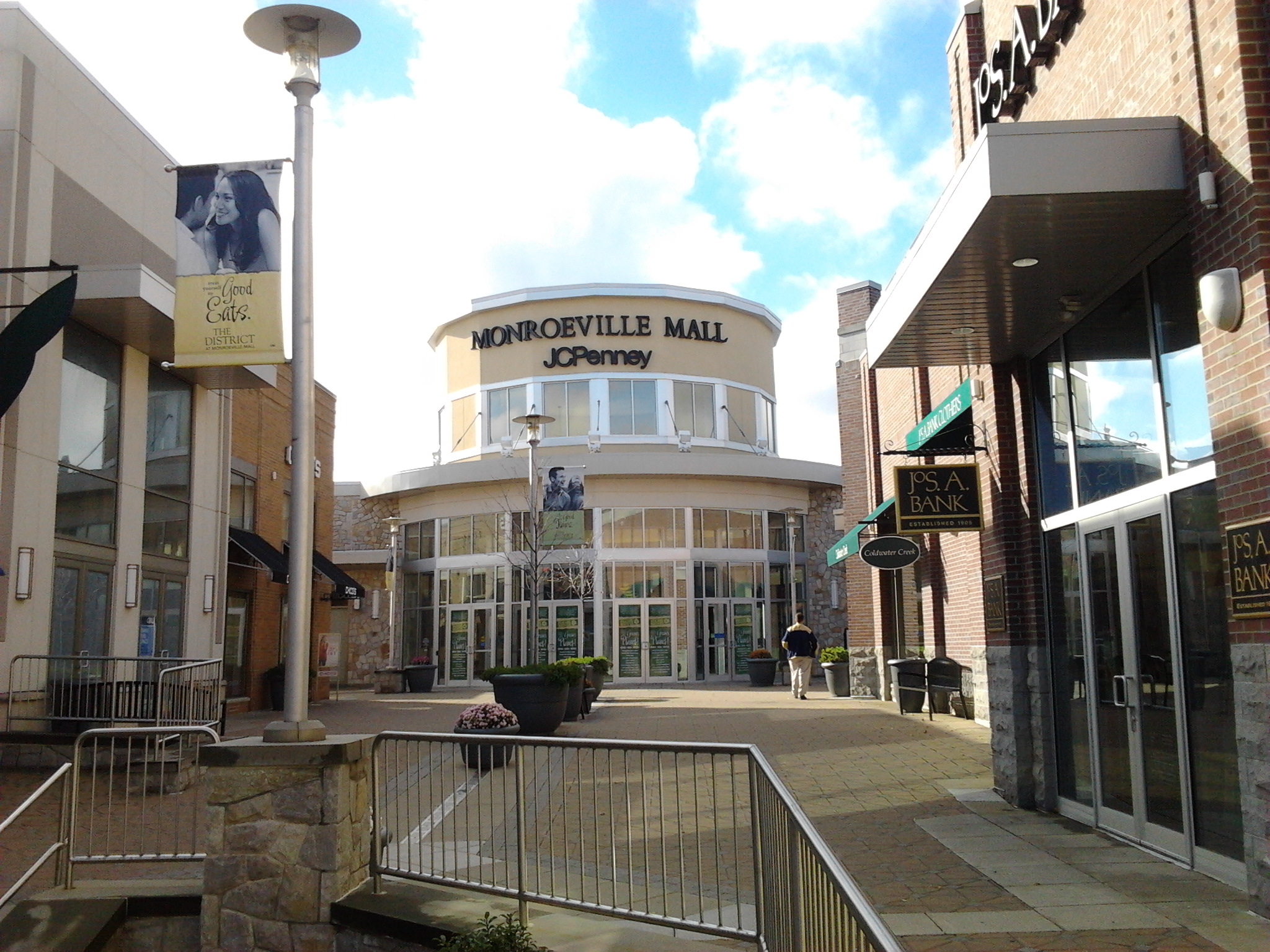
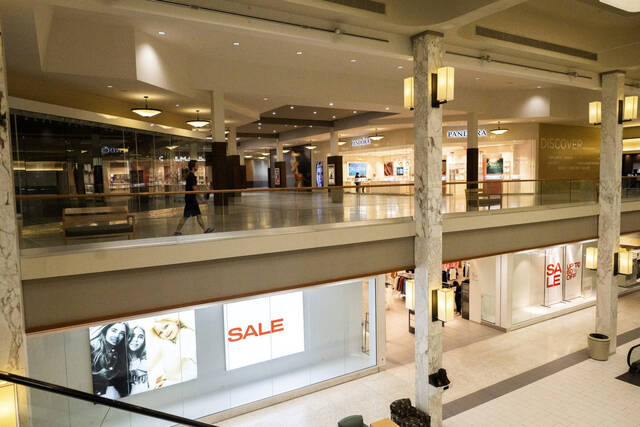
In the years immediately after 2020, Monroeville Mall entered a new phase of uncertainty. The pandemic had already accelerated long-running pressures on enclosed regional malls: department-store weakness, changing retail habits, tenant churn, security concerns, and the growing difficulty of sustaining large indoor shopping centers built for a different retail era. For Monroeville Mall, those national trends landed on a property with unusually deep local and cultural meaning. It was not only a shopping center; it was a suburban landmark, a former social crossroads, and one of the most famous film locations in horror history.
The first major post-2020 shift came not at Monroeville itself, but at the corporate level. CBL Properties, the mall’s owner, completed its Chapter 11 reorganization on November 1, 2021. The company said it emerged with a significantly improved capital structure, greater financial flexibility, and a lowered cost of capital. Earlier in 2021, CBL’s confirmed plan had called for eliminating more than $1.6 billion of debt and preferred obligations. For Monroeville Mall, this did not immediately mean closure or redevelopment, but it did change the ownership context: the mall was now part of a reorganized portfolio in which CBL would be more selective about where to invest, what to sell, and how to reduce leverage.
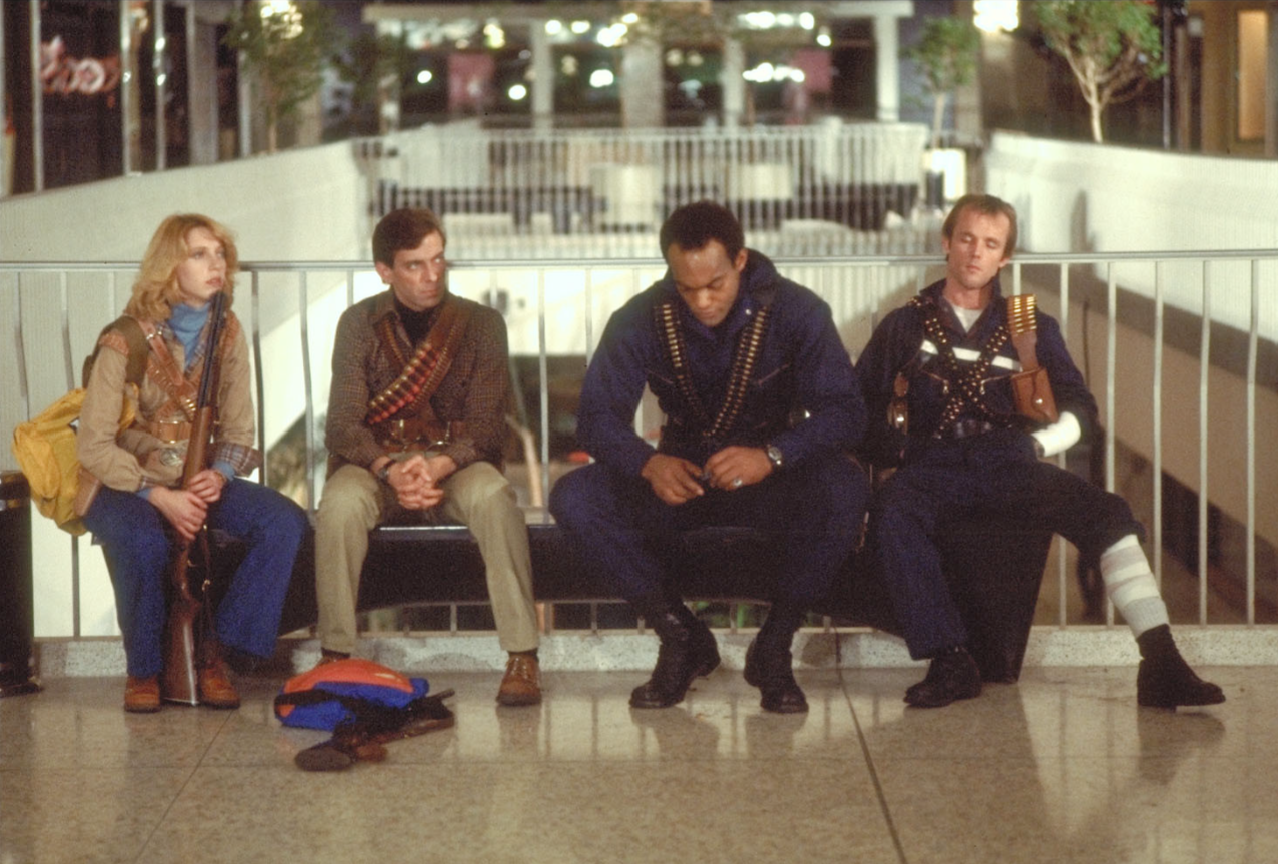
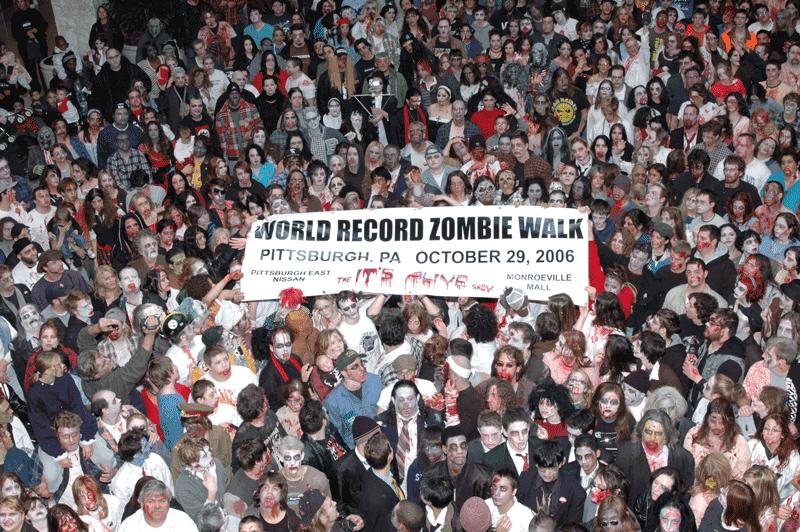
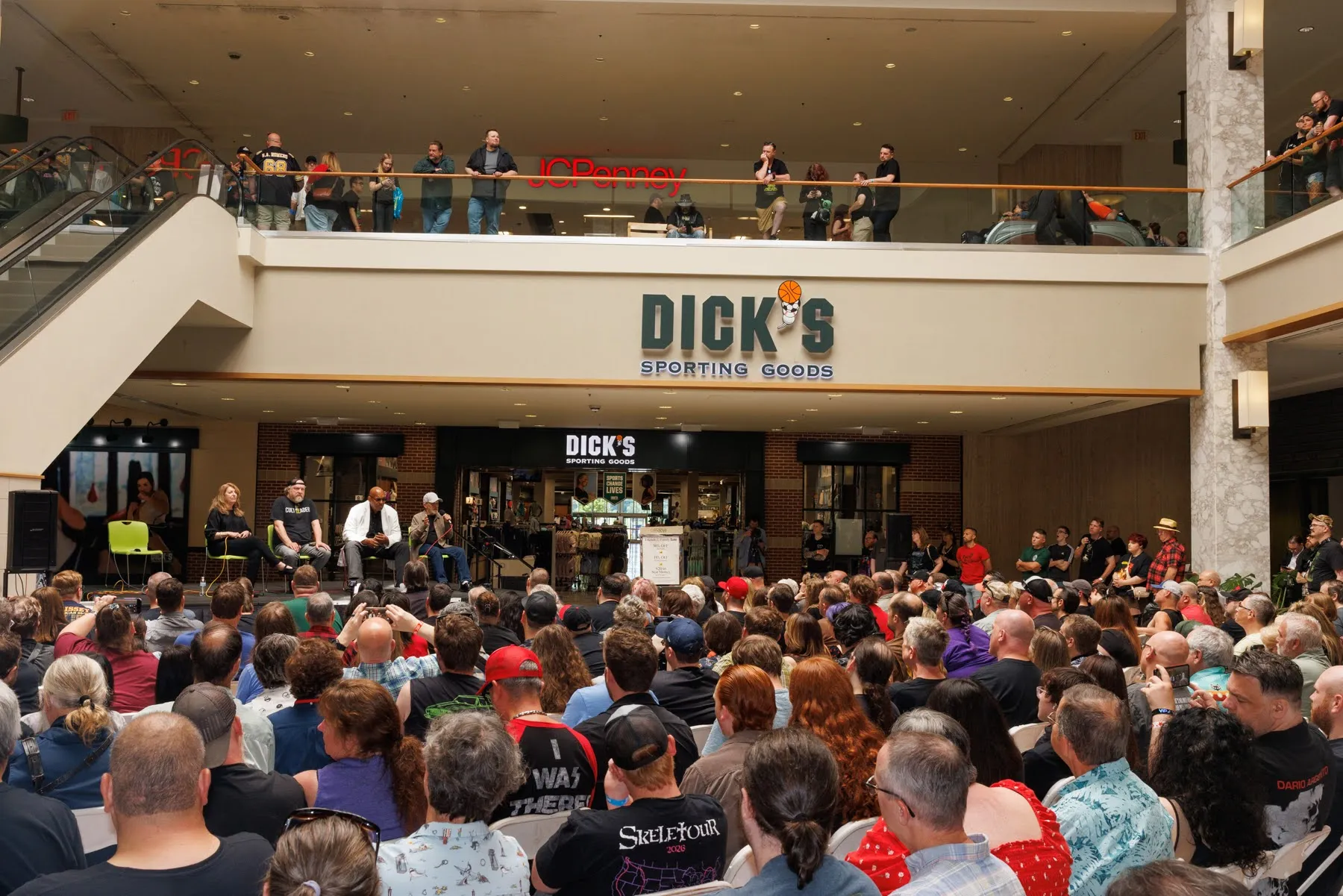
At the same time, the mall’s identity as the home of George A. Romero’s Dawn of the Dead became even more central to its public story. The Living Dead Museum, which had previously been associated with Evans City and the broader Romero legacy, returned to Monroeville Mall and expanded its presence there. Coverage from 2021 described the museum’s move back to the mall where Dawn of the Dead was filmed, and the Living Dead Weekend site continued to identify the event as being held inside the historic Monroeville Mall, “the home” of Romero’s film. This mattered because the mall’s cultural value was no longer just nostalgia for retail; it was tied to tourism, film history, fan pilgrimage, and the preservation of physical spaces that still carried meaning for visitors from around the world.
By 2023, Monroeville Mall still had civic and commercial gravity, but its role was changing. The new VA outpatient clinic near the mall opened to patients on July 31, 2023, with VA describing the location at Monroeville Mall and the services offered, including integrated primary and mental health care, specialty care, diagnostics, rehabilitation, optometry, imaging, lab services, acupuncture, oncology, and more. That project showed that the mall district still had strategic value as a regional access point, especially because of its road network, parking, and position in eastern Allegheny County. It also foreshadowed a broader trend: the future of the mall property might not be traditional mall retail alone, but a mixture of retail, health care, services, entertainment, public space, and other civic or commercial uses.
In December 2024, the next phase became public. CBL listed Monroeville Mall for sale. Local reporting described the listing as a major change for a property that had been part of the community since 1969, noting that the mall was anchored by Macy’s, Dick’s Sporting Goods, JCPenney, and Cinemark, but had also seen businesses leave in recent years. The same coverage captured the emotional split around the listing: sadness from people who grew up with the mall, but also hope from business owners who believed new ownership could bring reinvestment.
The sale closed quickly. On January 31, 2025, CBL announced that it had sold Monroeville Mall and the Annex for $34 million in an all-cash transaction. CBL did not initially name the buyer in its own announcement, but its CEO Stephen D. Lebovitz framed the sale as a way to focus on higher-productivity properties, generate cash proceeds, and reduce leverage. That language is important for the milestone: Monroeville Mall’s sale was not only a local real-estate transaction. It was the practical result of CBL’s post-bankruptcy portfolio discipline. The bankruptcy reset of 2020–2021 had finally reached Monroeville Mall in the form of disposition.
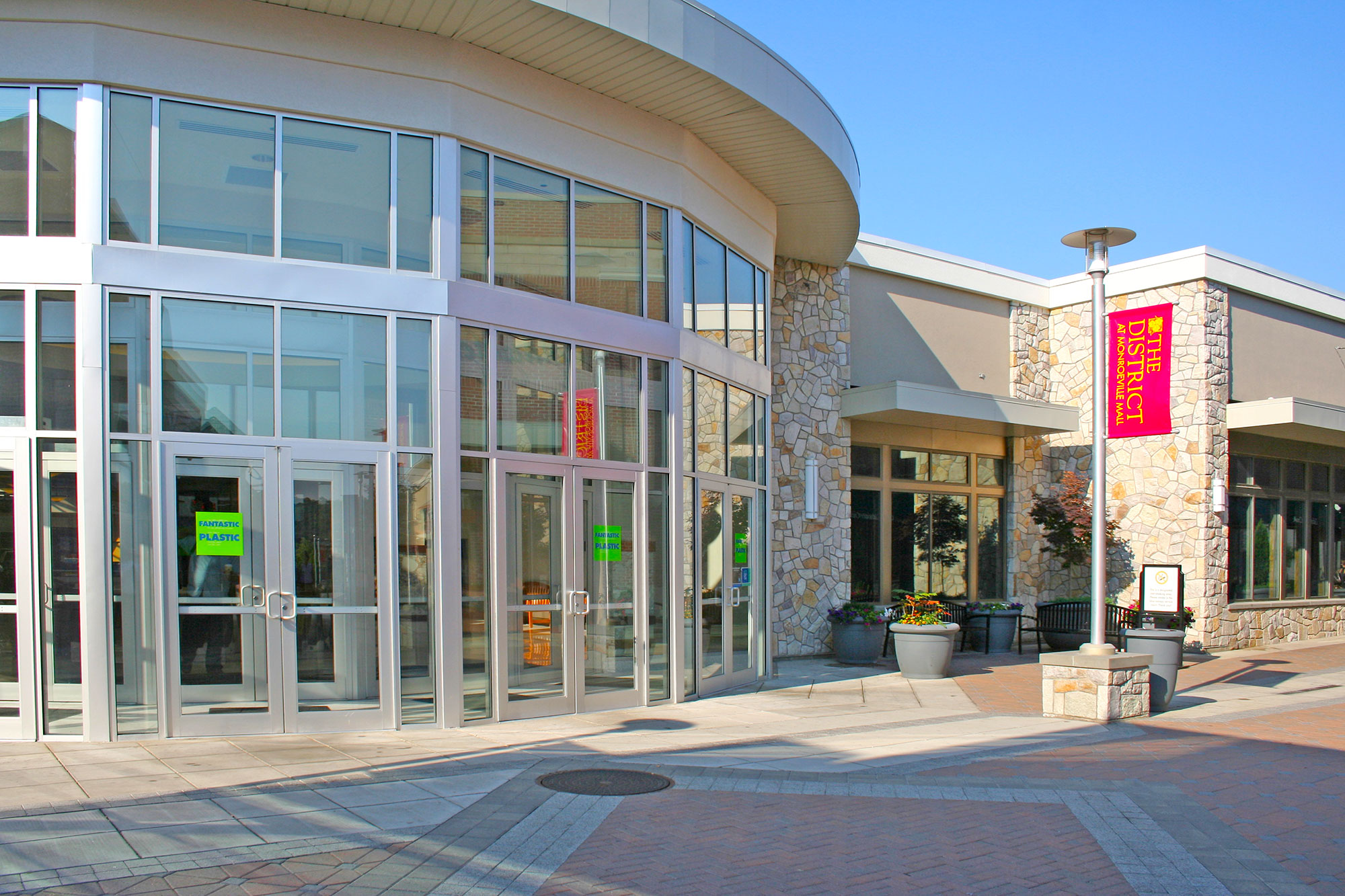
Within days, Walmart was confirmed as the buyer. Walmart’s corporate communications director Mark Rickel said the company had purchased the mall and looked forward to being part of the redevelopment, while also saying it was too early to discuss specific plans. Cypress Equities, a Texas-based development firm, was identified as the company that would manage and help reimagine the property. Retail Dive reported that Walmart planned to redevelop Monroeville Mall and the Annex in partnership with Cypress, and noted the scale of the opportunity: the mall was roughly 1.2 million square feet on 186 acres, with more than 130 stores and nearly 3.5 million annual visits in 2023.
That sale immediately raised the stakes for the mall’s film legacy. For many shoppers, the question was whether the property would be revived. For Dawn of the Dead fans, the question was whether the movie location itself would survive. Axios reported in February 2025 that Romero fans were pushing to preserve the mall, with Living Dead Weekend founder and Living Dead Museum owner Kevin Kriess expecting heightened attendance as fans came to experience the site before redevelopment. Kriess emphasized that the mall itself was part of the museum experience, not merely the building that housed it.
The preservation conversation grew louder when actor Ken Foree, who played Peter Washington in Dawn of the Dead, publicly joined the call to preserve the mall’s history. Coverage of Foree’s plea described him urging fans to recognize the mall as a place of international cultural meaning for horror cinema. His argument was not that Monroeville Mall was a traditional monument like a battlefield or government landmark, but that it had become a pilgrimage site through film: a place where a low-budget Pittsburgh-made movie became a global cultural reference point. Foree’s public statement gave the preservation push a recognizable voice from the original film itself.
Through summer 2025, redevelopment details remained unclear at the municipal level. TribLive reported in August that Monroeville officials said no formal plans, drafts, or submissions had been made to the municipality at that time. Mayor Nick Gresock said any redevelopment proposal would have to move through the Monroeville Planning Commission and receive final council approval. This is a key point for the milestone: despite national attention and broad redevelopment talk, the project had not yet gone through local land-use review.
The most consequential public document arrived in fall 2025. A Walmart-affiliated entity, South Saturn Ridge LLC, applied for $7.5 million through Pennsylvania’s Redevelopment Assistance Capital Program for a project called “Monroeville Mall Gateway.” Reporting on the application described a plan to demolish the mall and clear the site for a mixed-use redevelopment with retail, restaurant, entertainment space, landscaping, pedestrian-friendly design, and public open areas. The Pittsburgh Post-Gazette reported that the project would begin with a “full demolition of approximately 1.1 million square feet of existing mall structures,” with demolition scheduled in the filing to begin April 1, 2027, if approvals and funding advanced.
That grant filing transformed the story. Until then, “redevelopment” could mean many things: renovation, partial demolition, new anchors, open-air conversion, apartments, restaurants, or a hybrid plan preserving some interior spaces. After the filing, demolition became the central public issue. Residents, business owners, shoppers, horror fans, and preservation advocates were forced to confront the possibility that the physical mall — not just the ownership structure — might disappear. WTAE reported that residents and businesses reacted to the possible demolition as the application described turning the property into entertainment, retail, office, and public-use spaces.
By late 2025, Monroeville Mall still remained open, and Living Dead Weekend continued to draw fans to the site. WTAE’s October 2025 coverage noted that Living Dead Weekend had returned to the mall, that the event had been running for 10 years, and that Kriess reminded people the mall was still open with time remaining before the anticipated 2027 closure window. This creates the right ending note for the milestone: the mall was not yet gone, but it had entered what may be its final chapter as an enclosed regional mall.
The 2021–2025 period should therefore be understood as the final ownership runway after bankruptcy. CBL’s reorganization stabilized the company, but it did not secure Monroeville Mall’s long-term place in the portfolio. The sale to Walmart answered the ownership question but opened a larger civic and cultural question: what should happen to a mall that is simultaneously aging retail infrastructure, valuable real estate, a community memory bank, and one of the most famous horror-film locations in the world? By the end of 2025, Monroeville Mall stood at the edge of redevelopment, with its future tied to Walmart, Cypress Equities, state funding, municipal approvals, tenant displacement, and a public effort to preserve the legacy of Dawn of the Dead before the mall’s physical history could be erased.