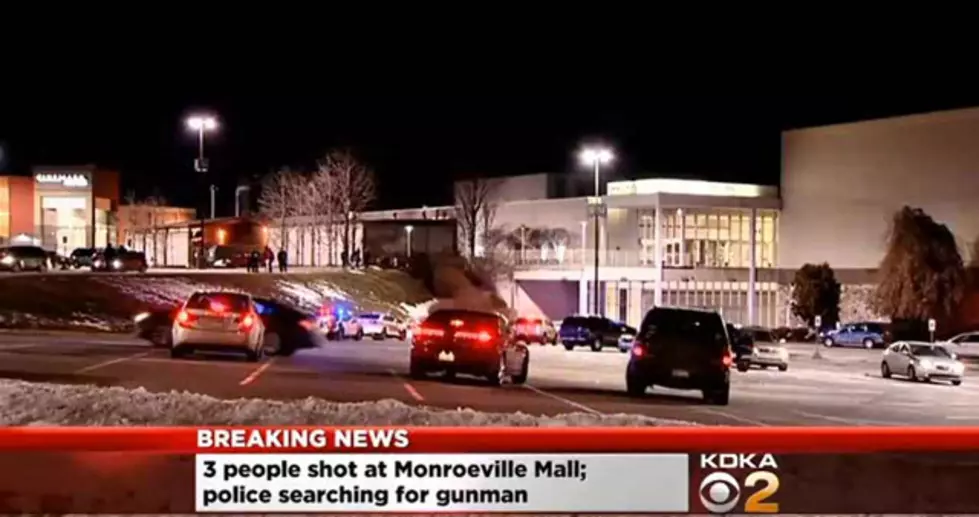
The crisis escalated on February 7, 2015, when a shooting occurred inside the Macy’s department store. Three people were wounded. The shooting was not fatal, but it became the incident most directly associated with the mall’s 2015 security transformation. Because the shooting happened inside an anchor store, it raised difficult questions about the boundaries between mall security, store security, municipal policing, and emergency response. It also damaged public confidence in a property that depended on families, regional shoppers, and tenants feeling safe enough to spend time there.
In response, Monroeville Mall moved quickly. The mall began enforcing a Youth Escort Policy, restricting unaccompanied minors on Friday and Saturday evenings. The policy was a direct attempt to manage weekend crowd conditions and reduce the risk of large unsupervised gatherings. It also reflected a broader national mall-security trend: older enclosed malls were increasingly adopting behavioral policies, age-based access restrictions, and more visible security measures to maintain order and reassure shoppers.
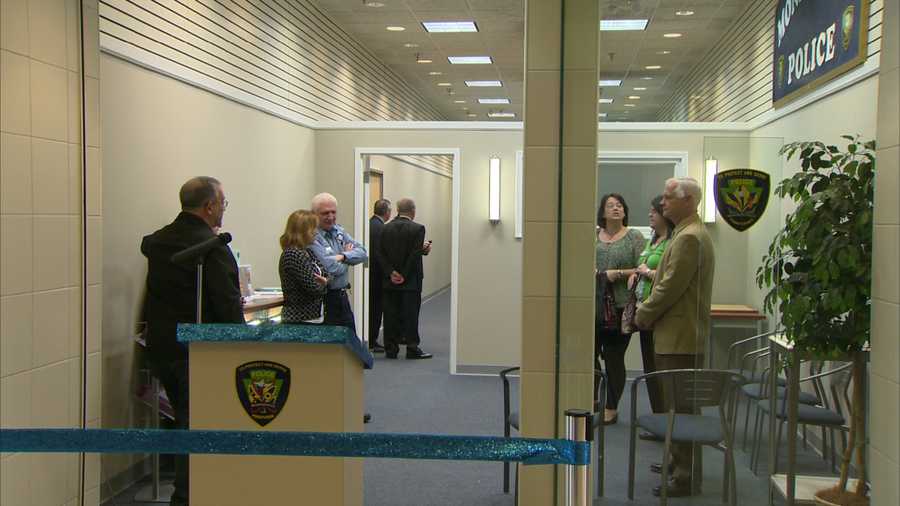
The most visible institutional change came on March 13, 2015, when the Monroeville Police Department substation opened inside Monroeville Mall. WTAE reported that the substation was located in a former GameStop store and would be staffed by Monroeville police officers on Friday and Saturday nights. This was a major symbolic change. It meant that the mall was no longer relying only on private security and periodic police response; it was embedding municipal police presence inside the shopping center itself.
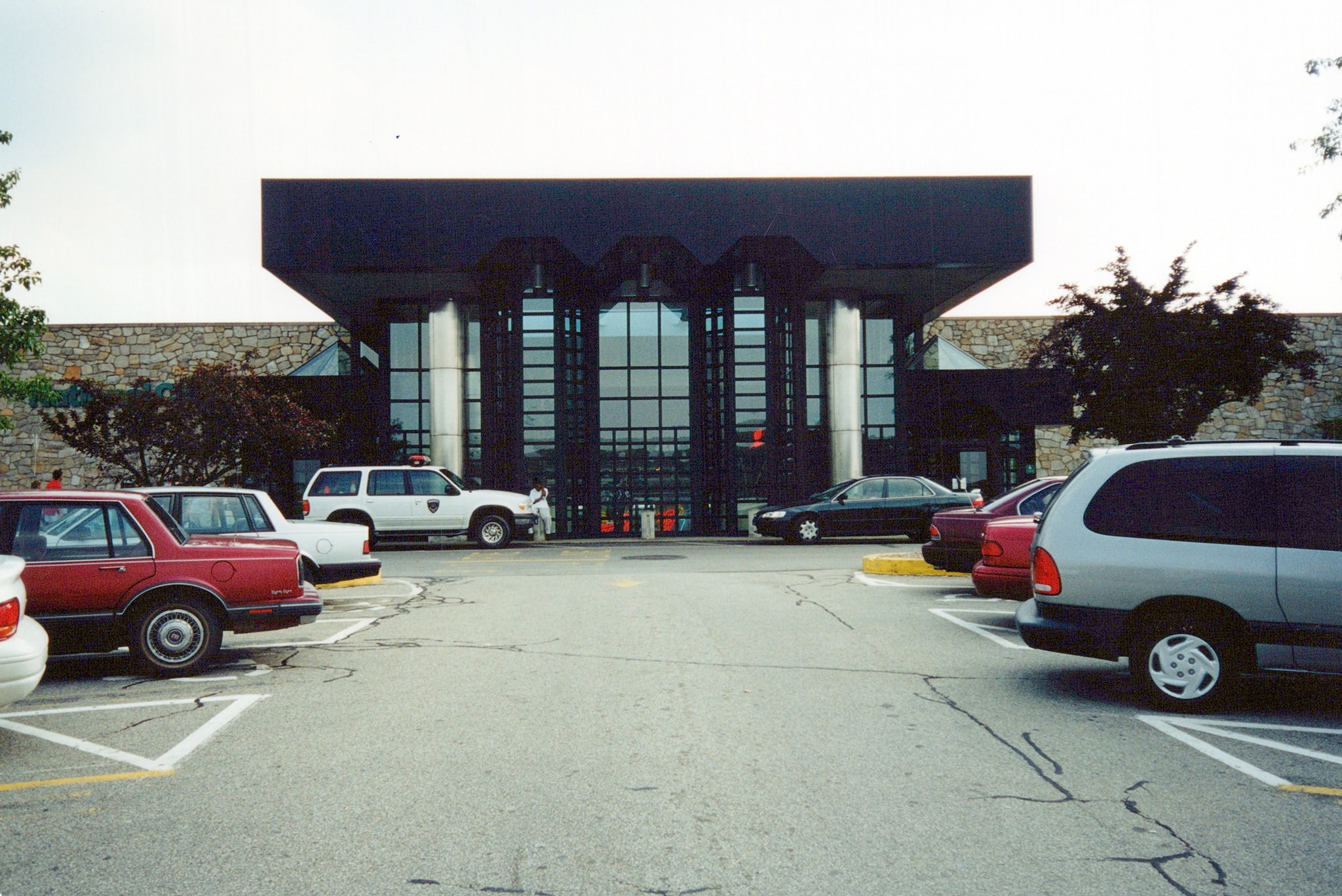
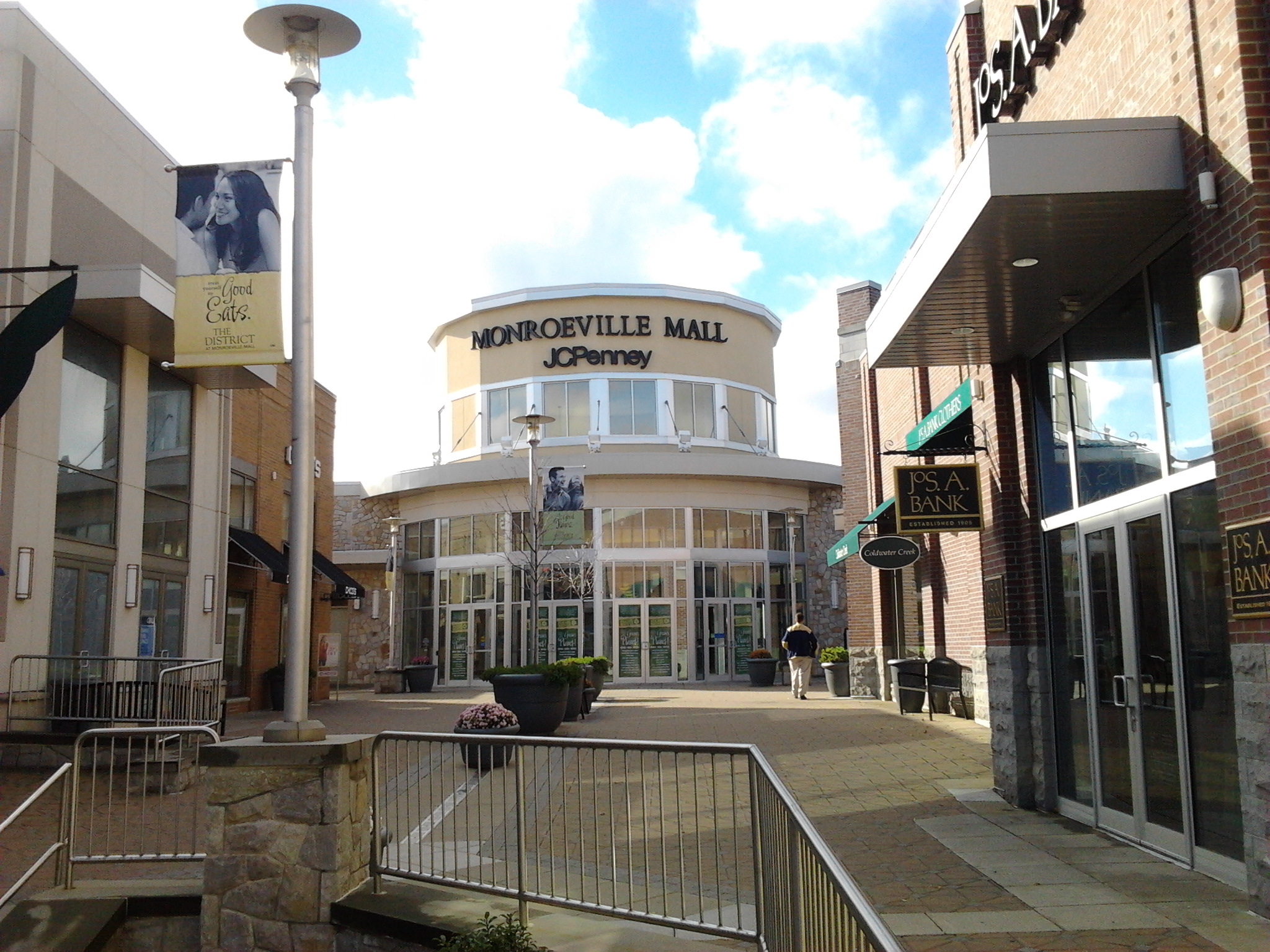
By June 2015, the mall’s response had expanded into a more comprehensive reinvestment program. Mall officials, Monroeville’s mayor, local police, and Macy’s announced additional security measures, including a new 24-hour surveillance system covering the mall and exterior areas, additional police and security manpower, more hours on duty, crisis-response training for Macy’s employees, and increased police patrols. CBL & Associates, the mall’s owner at the time, publicly framed these changes as part of continuing investment in both security enhancements and renovations.
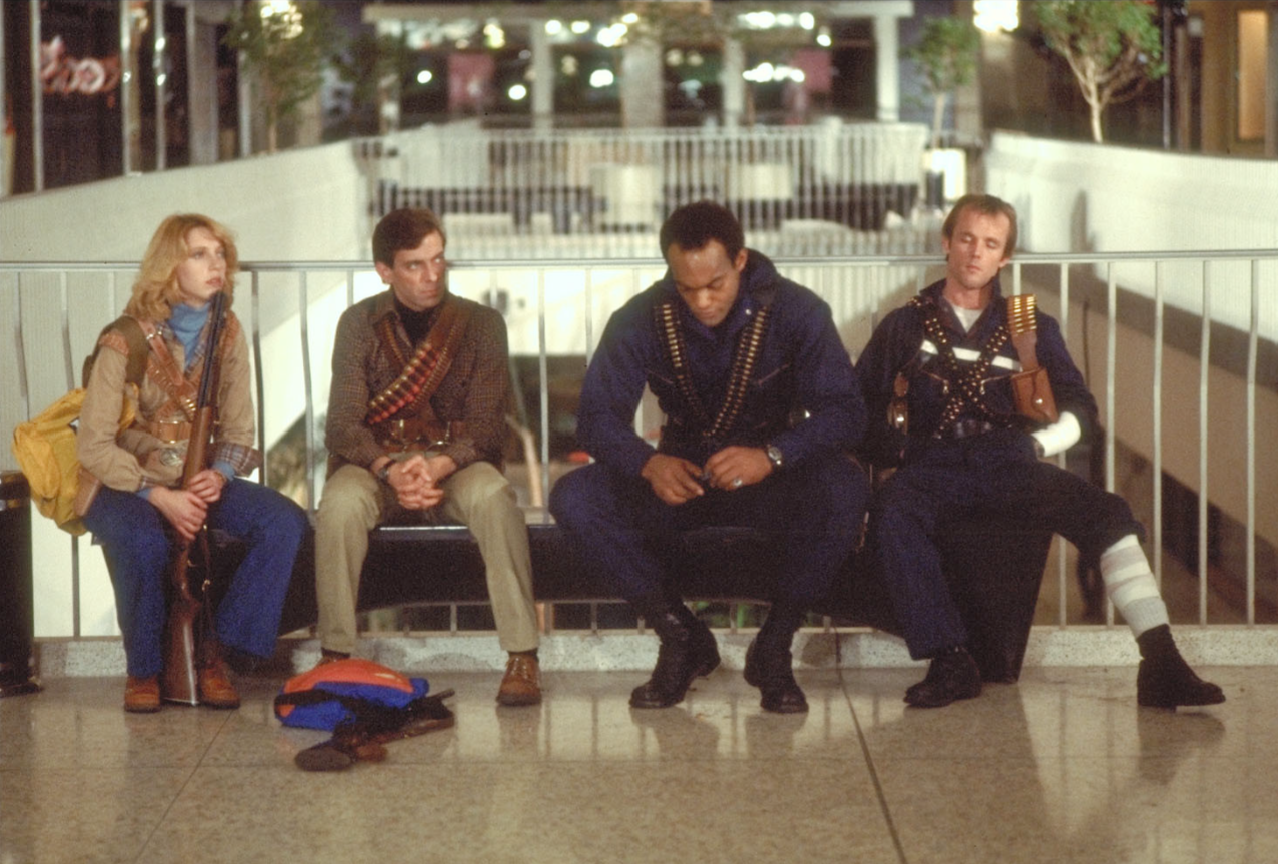
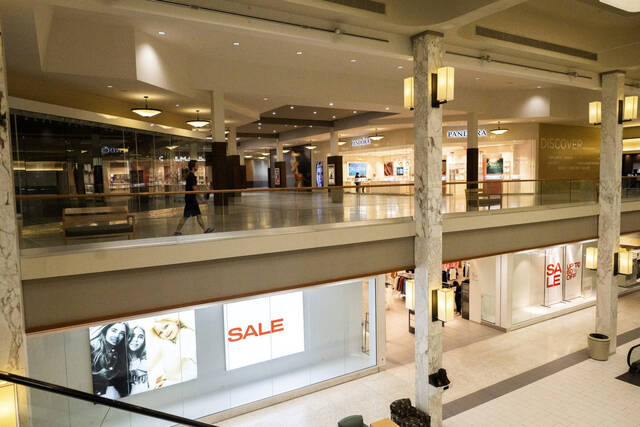
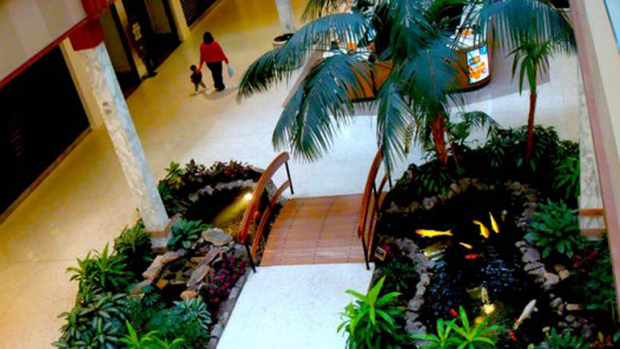
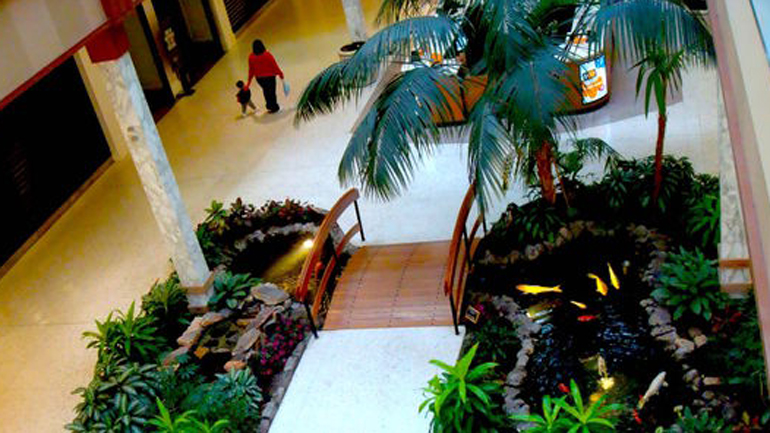
This is where the bridge story becomes essential. While the mall was investing in security and image improvements, it was also undergoing a multimillion-dollar renovation that threatened one of the last remaining physical links to George A. Romero’s Dawn of the Dead. The small wooden footbridge on the mall’s lower level — the bridge over the former pond area, seen in the 1978 film — became the focus of a preservation campaign by Romero fans, local film-history advocates, and the Living Dead Museum community.
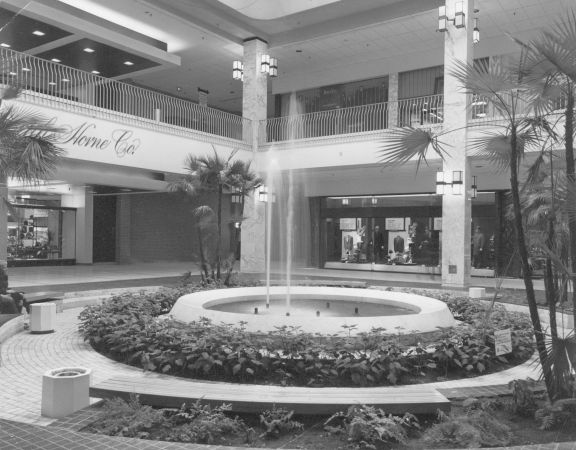
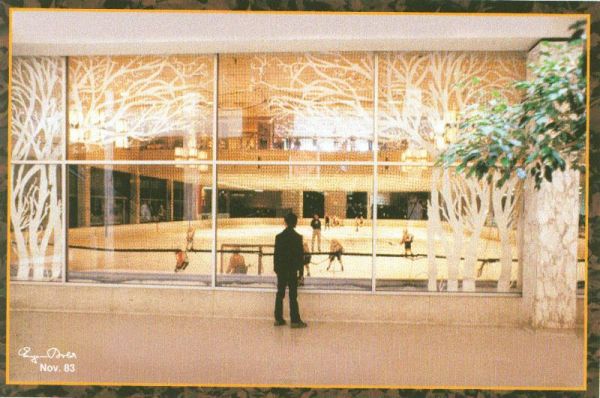
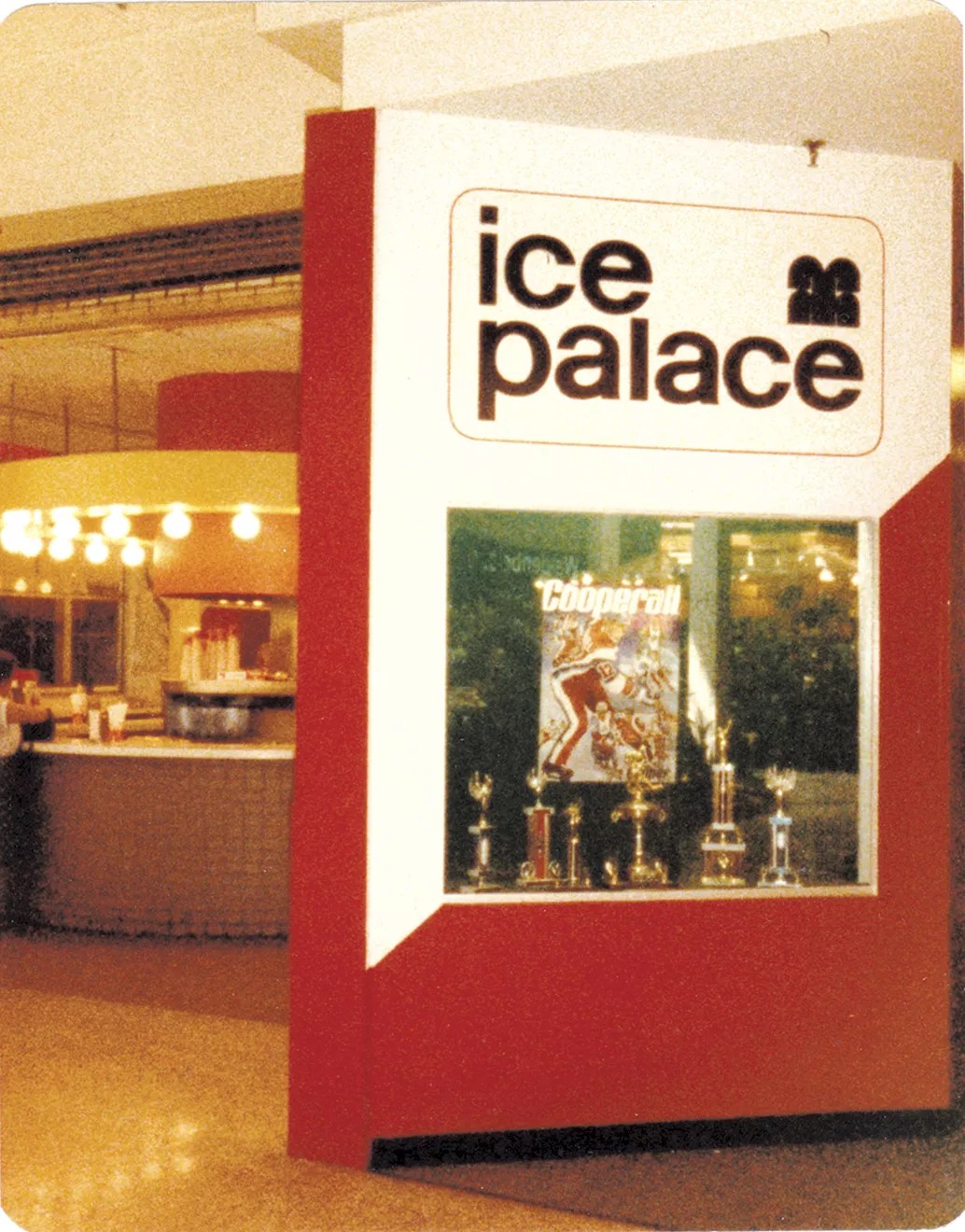
WTAE reported in May 2015 that the bridge was the last accessible feature of the mall still visible from Dawn of the Dead. Kevin Kriess, curator of the Living Dead Museum, pointed out that other recognizable features had already vanished: the clock tower, the water fountain, and the ice rink. The bridge had survived decades of renovations, but by 2015 it was being removed as part of the mall’s latest modernization project.
That preservation effort gives 2015 a second historical meaning. At the very moment the mall was trying to make itself safer, cleaner, more modern, and more commercially viable, film fans were documenting the loss of the physical environment that made the mall internationally famous. The bridge became a symbol of a larger issue: once a mall renovation shifts from maintenance to modernization, even modest architectural features can disappear quickly. For ordinary shoppers, the bridge may have looked like an outdated decorative element. For Romero fans and local historians, it was one of the last pieces of the mall’s 1970s identity still physically present in the building.
The mall did not simply destroy the bridge. After public outcry, mall representatives acknowledged its importance and said they were trying to keep it in good condition while discussing preservation and display options. CBS Pittsburgh later reported that the bridge was dismantled for shipment to the Senator John Heinz History Center after a petition drive to save it. The Heinz History Center later confirmed that, through a partnership with mall owner CBL & Associates Properties, the bridge was donated and conveyed to the museum’s permanent collection in July 2015.
This sequence matters because it shows the mall caught between two identities. On one side, Monroeville Mall was a commercial property trying to respond to contemporary challenges: safety, vacancies, public perception, tenant confidence, and physical updating. On the other side, it was a nationally recognized film location whose seemingly ordinary interior features had become cultural artifacts. The bridge preservation campaign made clear that Monroeville Mall was not just retail space. It was also a piece of Pittsburgh film history, horror history, and fan memory.
By the end of 2015, Monroeville Mall had changed in several ways. It had a reopened police substation. It had a youth escort policy. It had expanded surveillance and additional police/security presence. It was undergoing a makeover intended to improve the mall’s image. And it had lost the bridge as an in-place feature, even though the bridge itself was saved from destruction and transferred into museum custody. That combination makes 2015 one of the most important years in the mall’s modern history.
The lesson is not simply that the mall needed more security. The deeper lesson is that modernization has consequences. Security upgrades, renovations, and image refreshes may be necessary for a mall’s survival, but they can also accelerate the disappearance of historically meaningful features. In Monroeville Mall’s case, 2015 showed both sides of that process: the need to protect present-day shoppers and the need to preserve the physical evidence of the mall’s past.