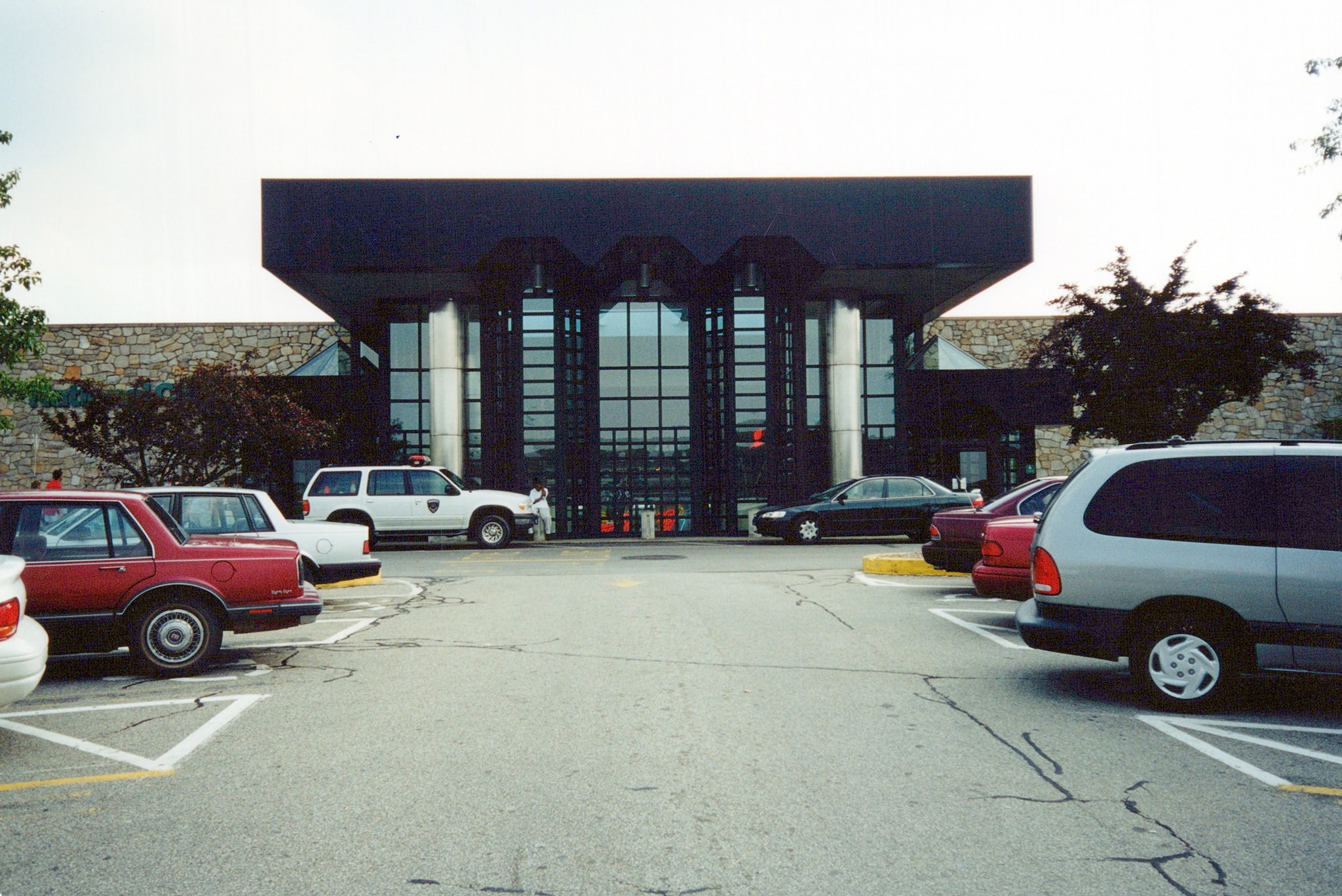
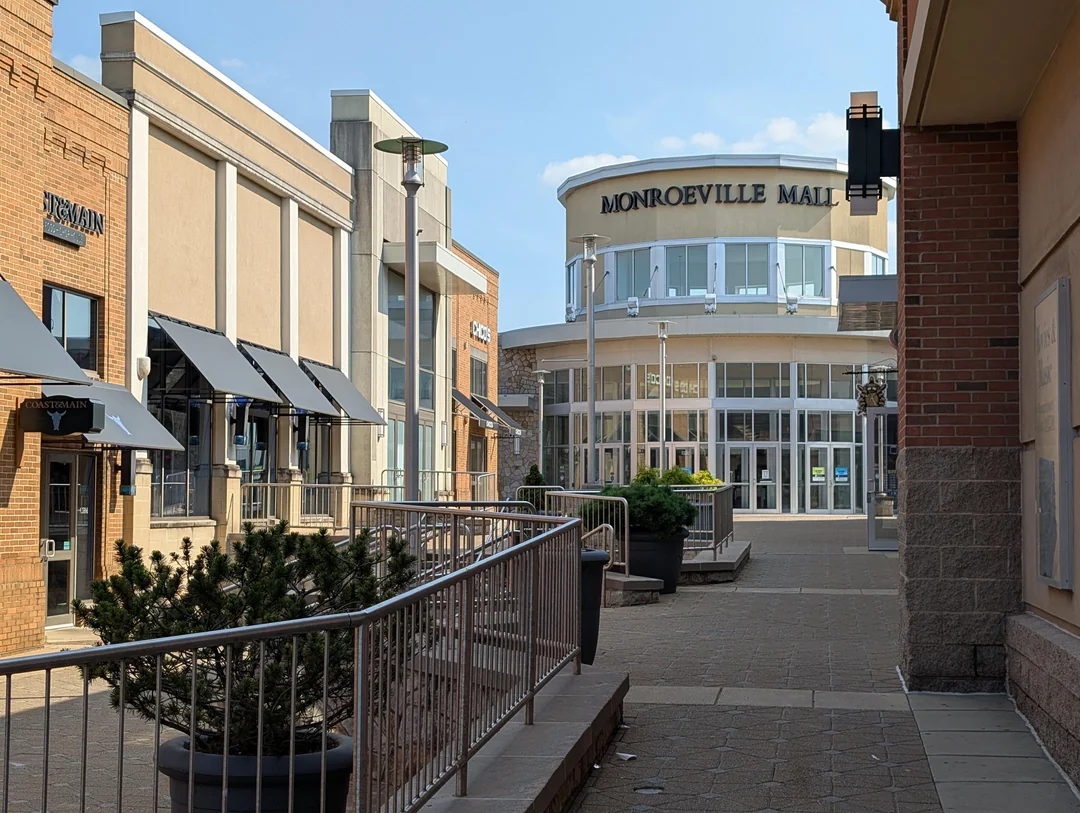
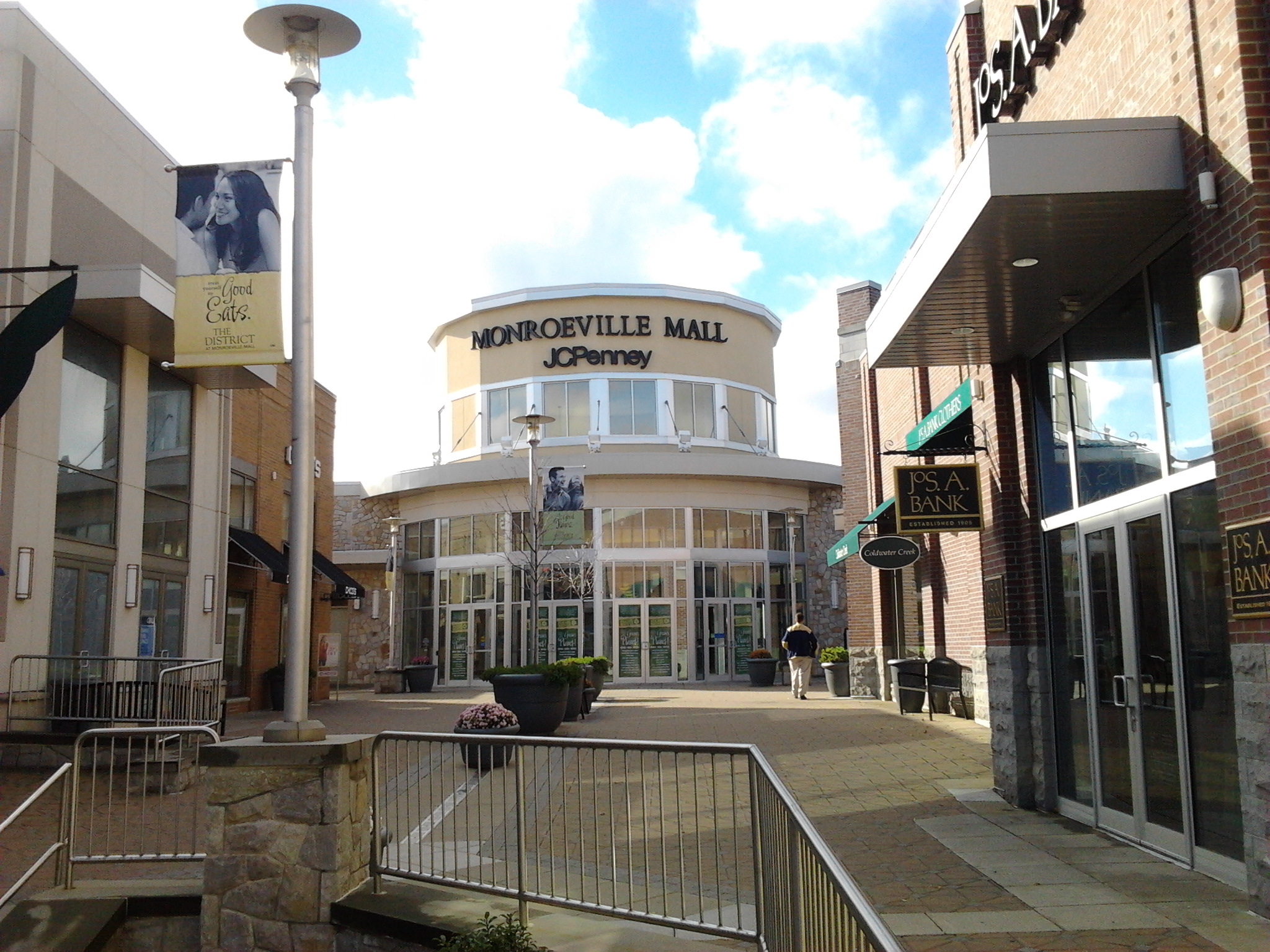
The Monroeville Mall was not just a building project, it was the physical expression of four converging forces: Pittsburgh’s postwar suburbanization, Monroeville’s emergence as a highway node, the 1950s–60s consumer economy, and the national evolution of the enclosed regional mall as a new suburban “downtown.” When you frame it that way, Monroeville Mall stops looking like an isolated local development and starts reading as a textbook example of why malls were built across the United States. Before the 1950s postwar migration movement, Monroeville, Pennsylvania, a borough of Pittsburgh, was predominantly a rural farming area.
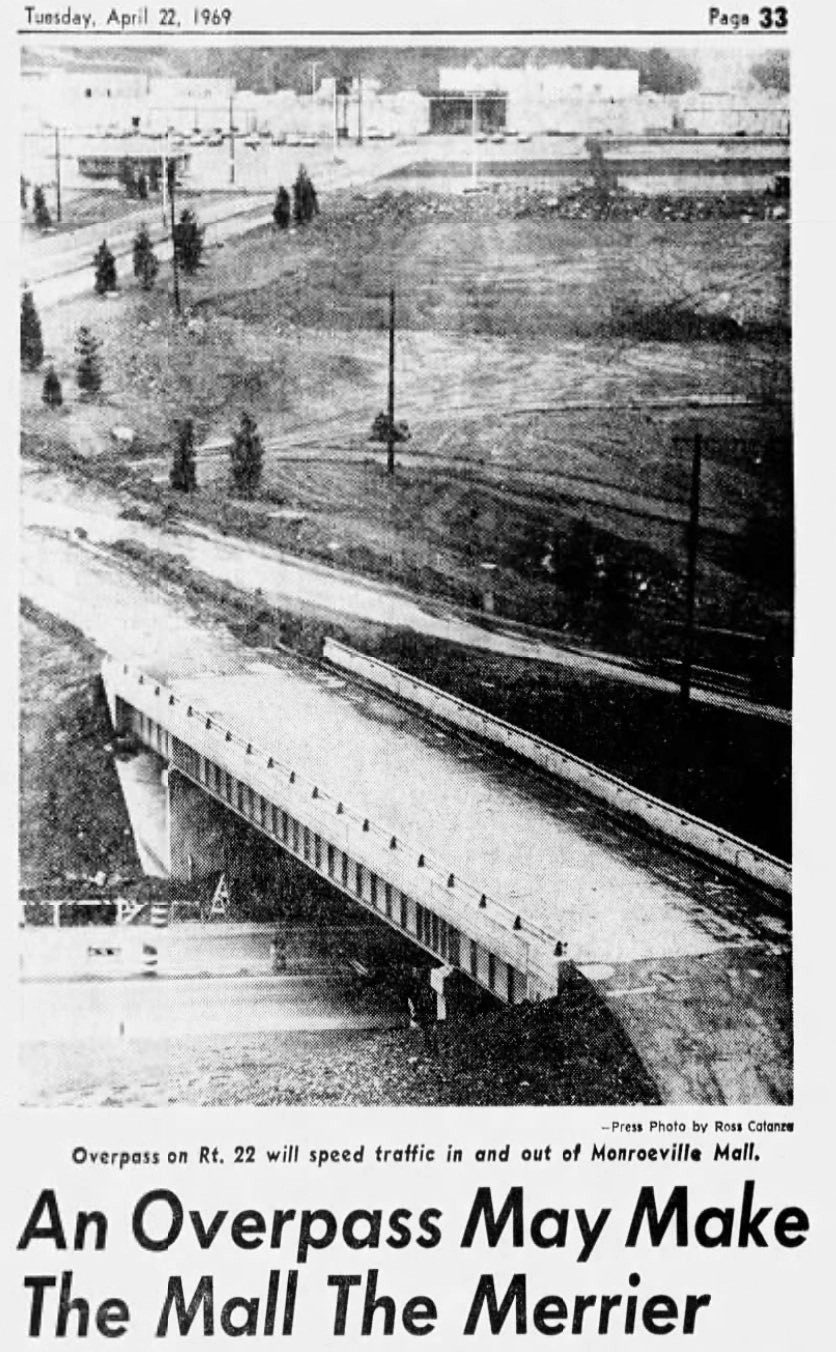
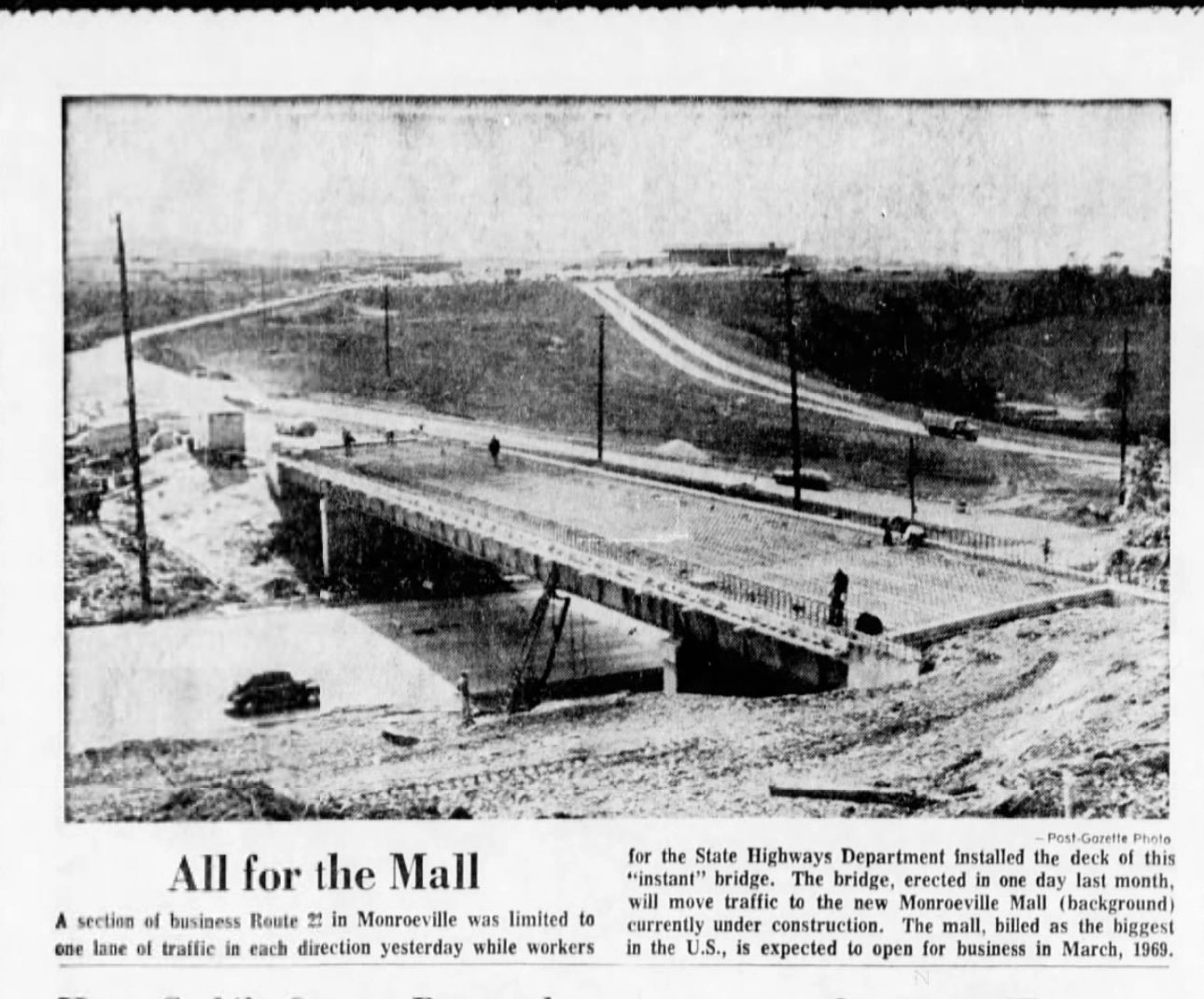
The layer of understanding playing a significant factor in the arrival of the modern shopping mall in Monroeville is the insight of transportation history in western Pennsylvania, specifically the Pittsburgh area. Monroeville’s importance long predated the mall: the area grew along the old Northern Turnpike in the early 1800s, then along the William Penn Highway in the 1920s, and then along new auto-oriented corridors in the 1940s and 1950s. The Monroeville Historical Society’s history explicitly says the new Route 22 bypass in the 1940s “set the stage” for the modern business strip, and that the 1950 designation of Monroeville as the Pittsburgh interchange of the Pennsylvania Turnpike made regional retail capture a “logical next step.” In November 1954, the Miracle Mile Shopping Center opened for business with numerous shops and eateries. As the novelty of shopping malls were becoming increasingly popular in the 1960s, residents of Monroeville and the eastern Pittsburgh suburbs shopped at the defunct Eastland Mall in nearby North Versailles, or at Greengate Mall (now Greengate Centre) in Greensburg, Westmoreland County.
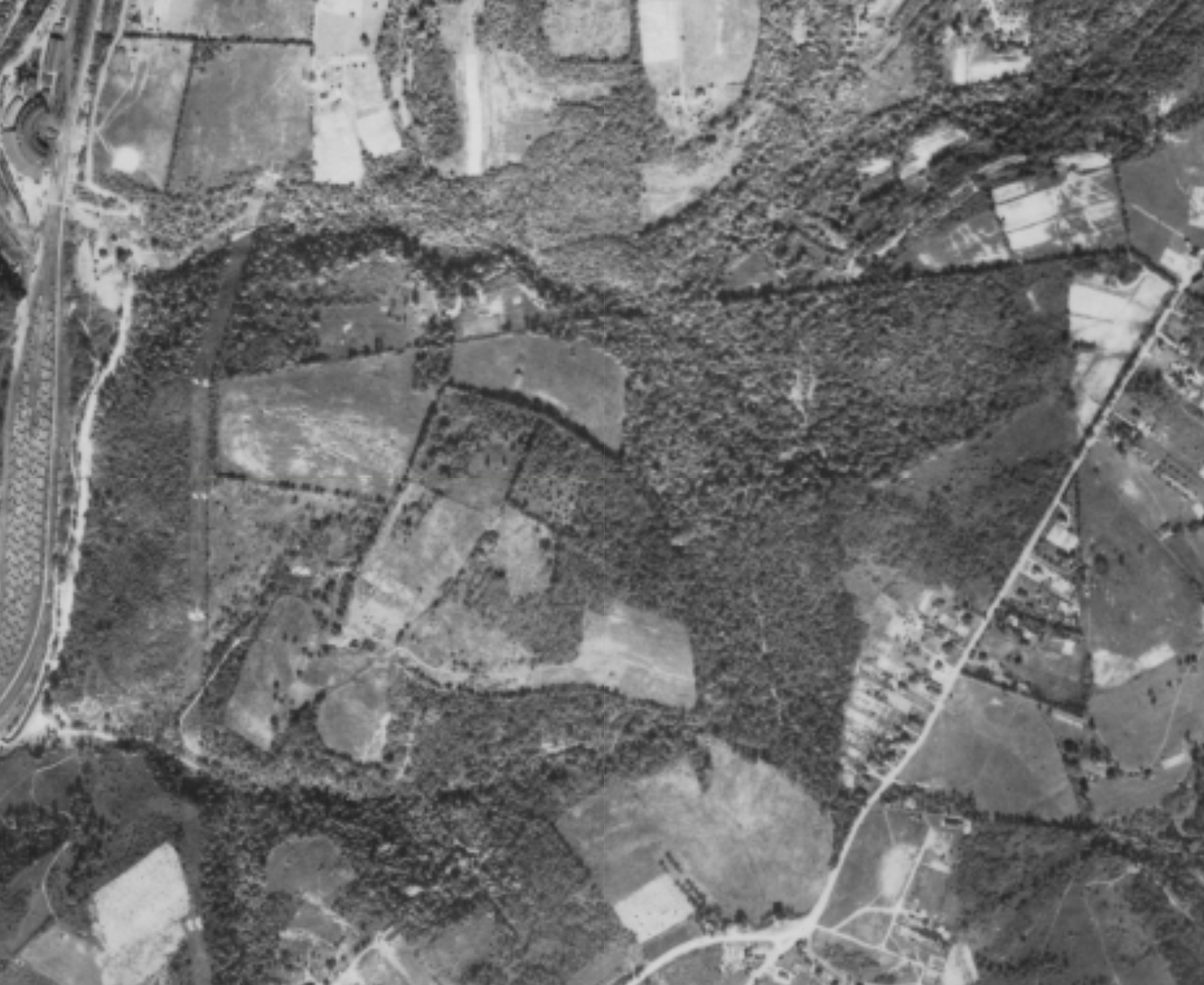
The opening of the Pennsylvania Turnpike in the early 1950s followed by the completion of Interstate 376 (Parkway East) in the early 1960s would expedite the growth of Monroeville and many of the eastern Pittsburgh suburbs. Historic Pittsburgh’s Miracle Mile entry says much the same thing in shorter form: once the turnpike interchange was completed at Monroeville in 1950, the potential to bring shoppers into Monroeville was quickly recognized.
The second layer of understanding is the suburbanization east of Pittsburgh. Monroeville was still largely rural in the 1930s and 1940s, but after the turnpike interchange and then the eastern extension of the Penn-Lincoln Parkway, growth accelerated sharply. The Historical Society’s timeline dates the Parkway connection to 1962, while its narrative history says 1963; either way, the source is clear on the effect: once the Parkway linked Monroeville directly to downtown Pittsburgh, residential and business construction soared and population surged. Monroeville “burgeoned in population and size” as Pittsburgh’s main interchange on the modern turnpike.
That suburban growth was part of a broader national pattern. Smithsonian’s National Museum of American History describes the postwar Consumer Era as a period when production boomed, consumerism spread from cities to suburbs, and prosperity was driven by new technology, white-collar expansion, easier credit, and new consumer groups. In economic terms, newer research also ties suburbanization to falling commuting costs: some research suggests that increased openness to commuting was driven mainly by reductions in commuting friction, consistent with interstate expansion and cheaper car ownership, while other research argues that new limited-access highways materially contributed to central-city population decline and suburban growth.
The third layer of understanding is the modern mall idea itself.
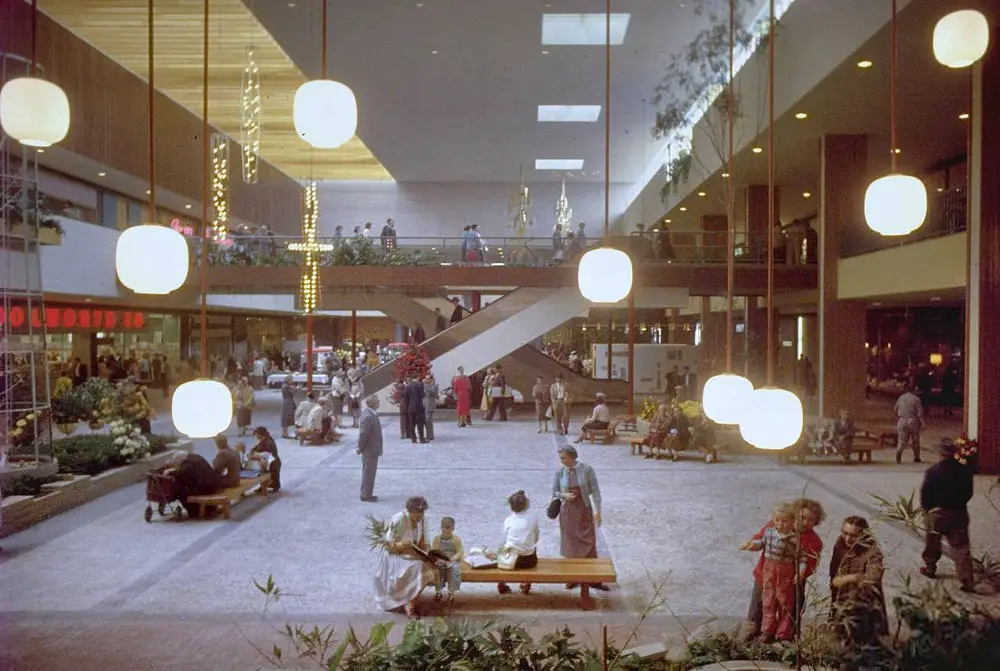
Victor Gruen, architect and pioneer in the design of shopping malls in the United States, demonstrates his ideas hold value in the fact that having a mall in Monroeville belongs to the generation of centers built after the enclosed regional mall model had been proven. The Library of Congress notes that Gruen is widely identified with creating the modern mall and that in Shopping Towns U.S.A. he set out a vision shaped by suburban residential development and the automobile. Mall historians have carved mall history into plain social logic: postwar suburbanites wanted department-store shopping closer to home, wanted parking, and wanted something cleaner and more controlled than either strip commercial sprawl or aging downtown retail districts. The resulting mall type brought major department stores to the suburbs, turned shops inward around a protected pedestrian environment, and paired retail with fountains, greenery, comfort, art, and spectacle.
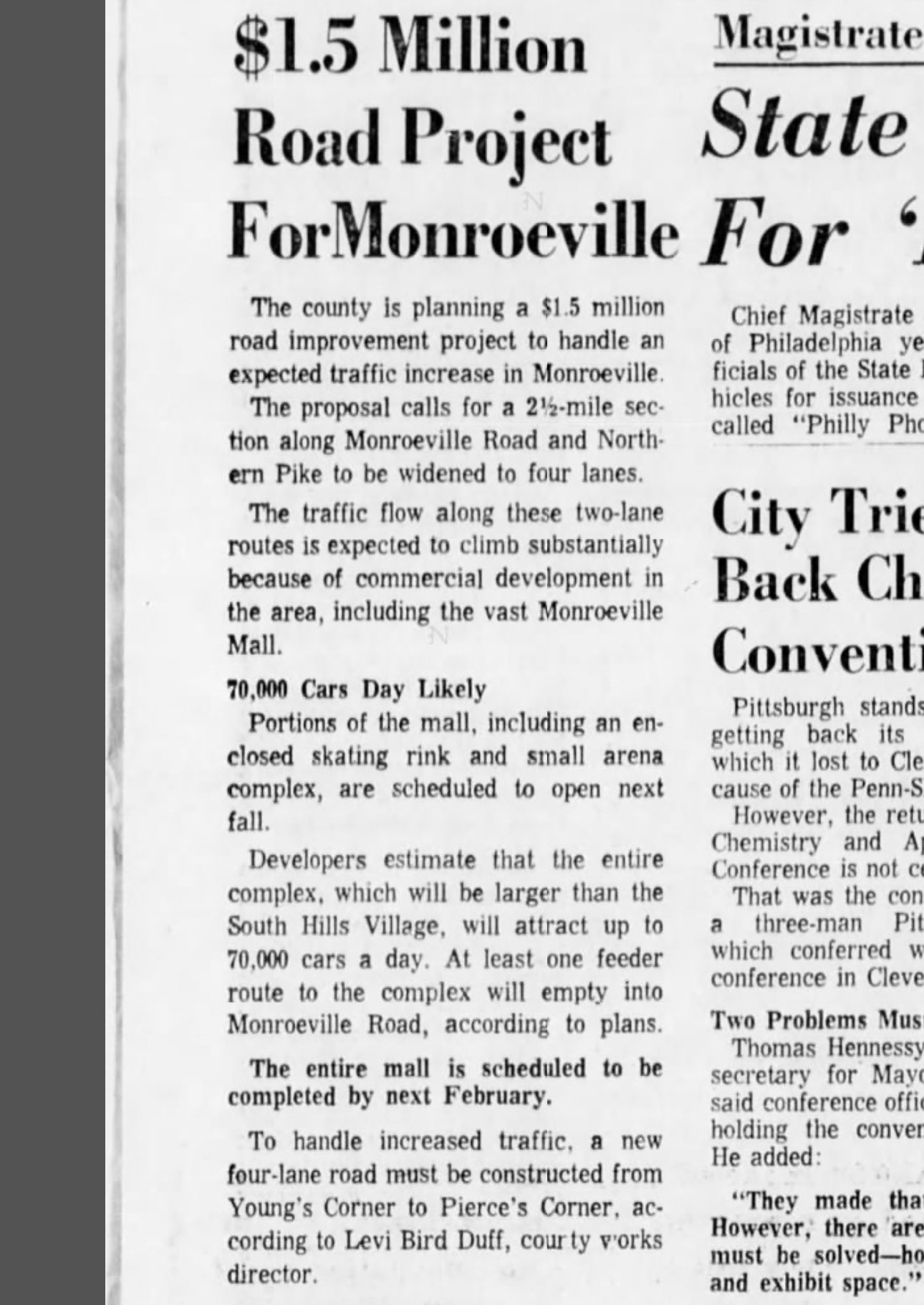
With the success of the Miracle Mile Shopping Center since its opening in 1954, this major proof-of-concept for Route 22 retail success catalysts as the event that launched Monroeville’s transition from rural village to major commercial center. The same source says other strips, gas stations, car dealerships, banks, and fast-food stands followed, in a “classic case” of improved roads producing commercial development, which in turn fueled more housing and more roads. In other words, Monroeville Mall was not the first retail boom there; it was the regional indoor culmination of a corridor already made successful by the automobile.
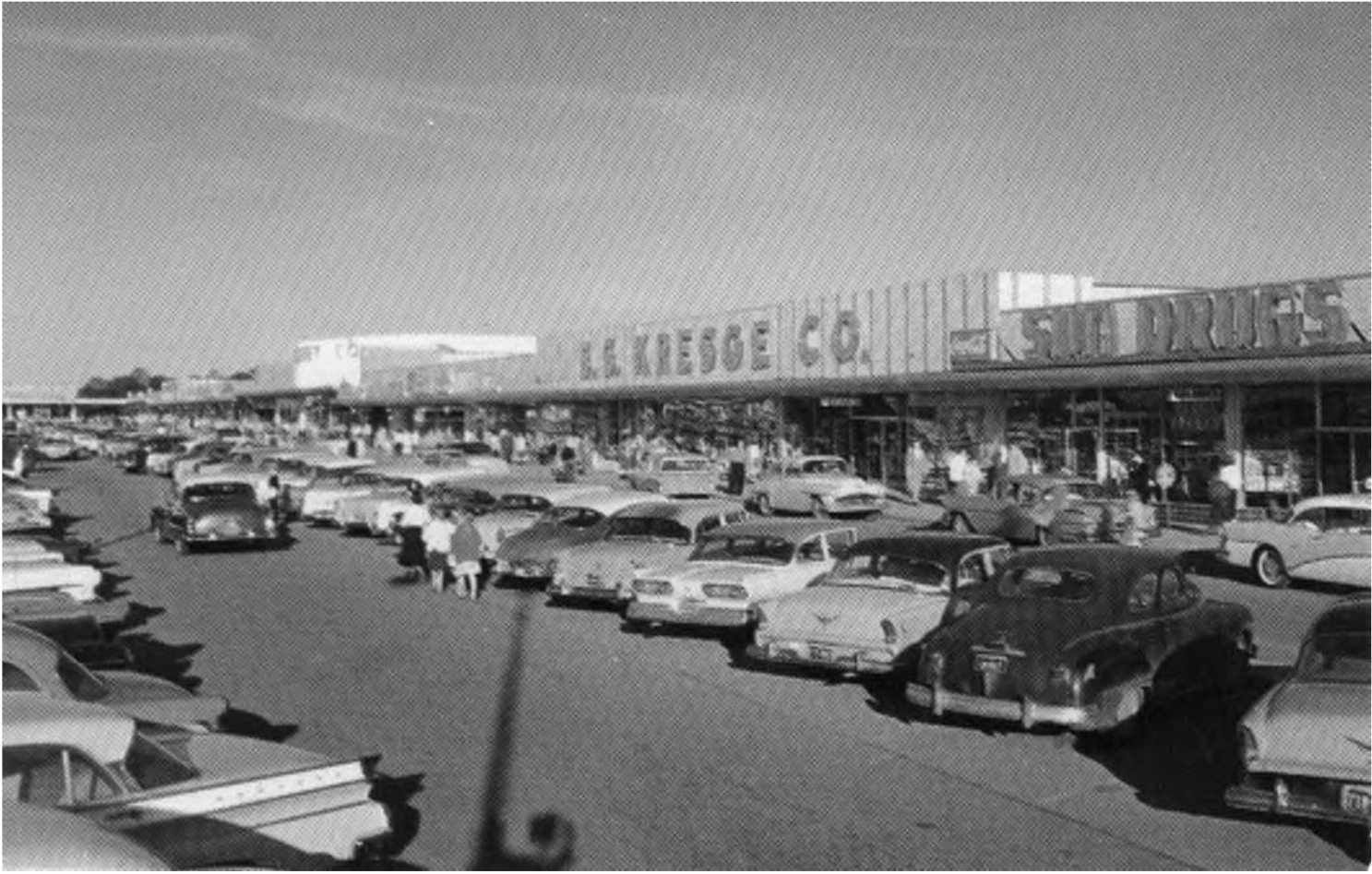
As highway systems continued to be constructed, the migration of city dwellers moving to the arms of suburbia, coupled with American consumerism at an all-time high, malls such as the Monroeville Mall began to spring up in droves across the entire United States. Malls originally succeeded because they solved multiple suburban problems at once: consolidated shopping, abundant parking, anchor stores, weather protection, and a sense of destination. In addition, many early malls became durable because they were genuine gathering places and employment centers, not just retail boxes. Reading those national patterns against the Monroeville evidence, the likely reasons for Monroeville Mall’s long life were its prime highway location, early regional dominance, strong anchor-store model, and the fact that Monroeville itself kept functioning as a major commercial and employment suburb rather than an isolated bedroom tract. The concept of such malls were based on the idea of Anchor Stores. These anchor stores typically were located at each end of the mall leveraging both the lower and upper floors of the mall. While anchor stores are still important today, there is a decline in many malls around the country where the mighty anchor stores such as Sears, J.C. Penney, Macy’s and others are no longer doing the in store business that they once did.
Mall Concept & Vision
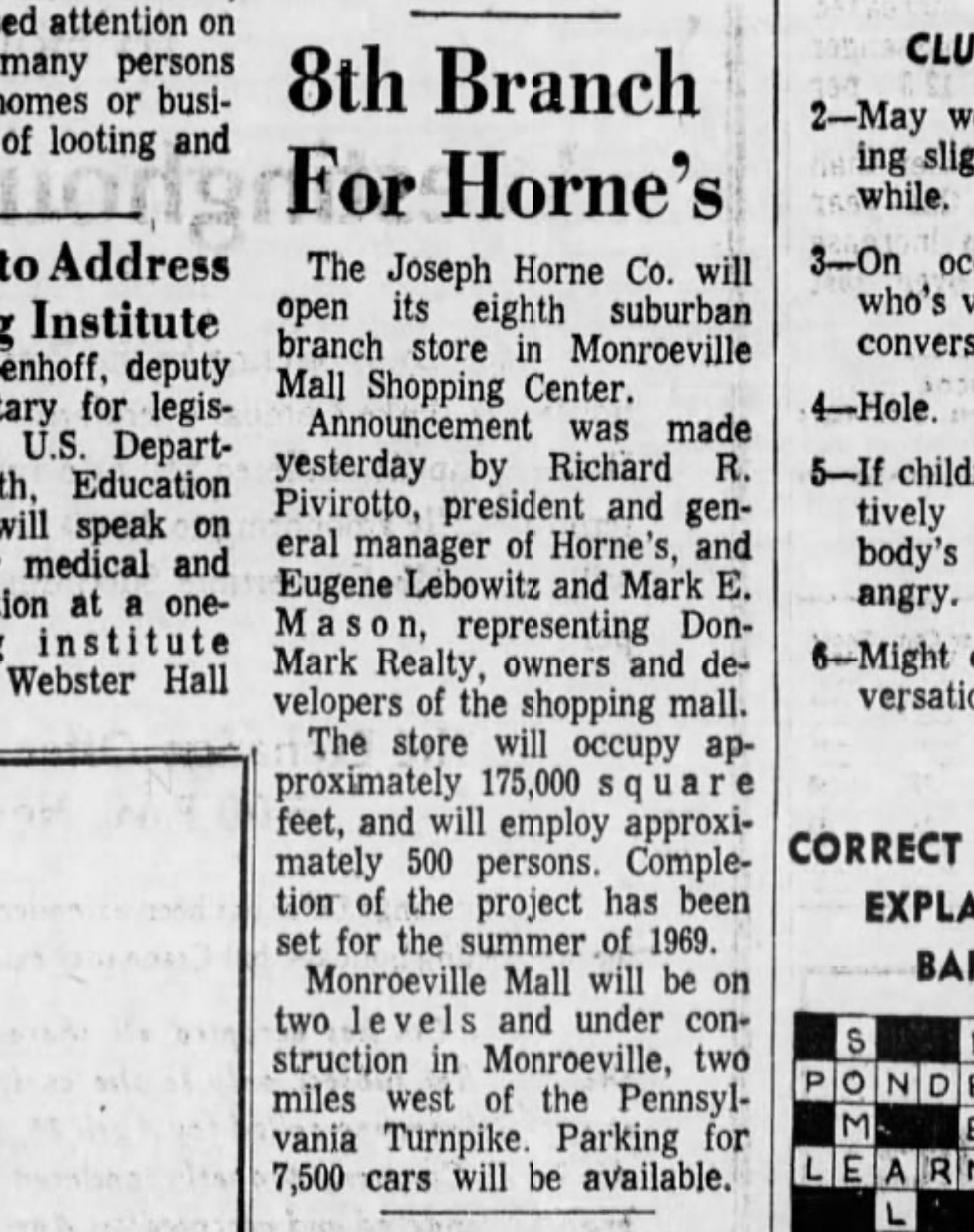
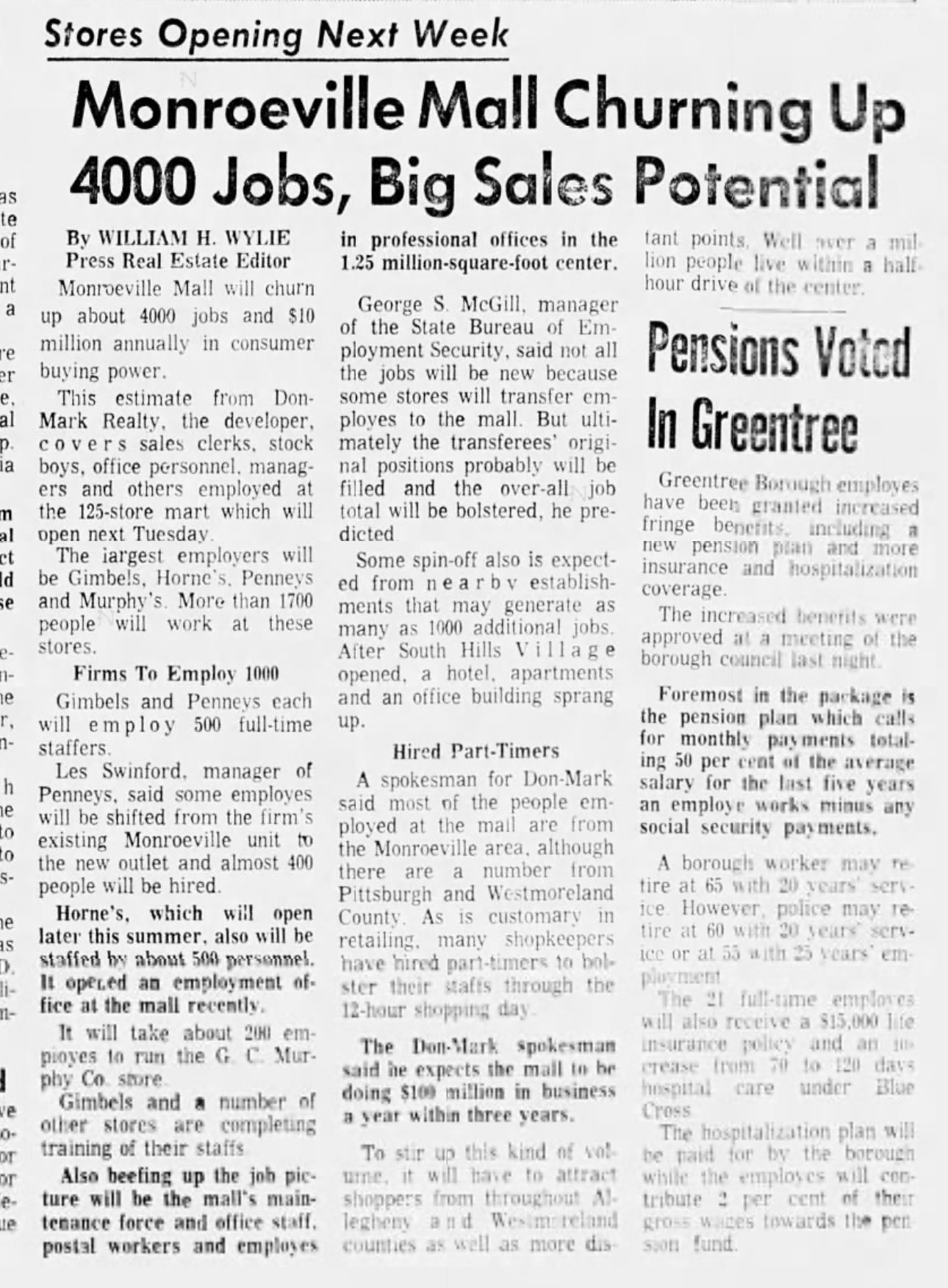
The Monroeville Mall was conceived by Don-Mark Realty as a major enclosed regional center for Pittsburgh’s eastern suburbs, on the fast-growing Monroeville highway corridor. It was a project of Don-Mark Reality (Principals: Harry Soffer, Eugene Lebowitz, Don Soffer, Edward J. Lewis, and Mark E. Mason). The company later would become the Oxford Development Company as headed up by Edward J. Lewis and Mark E. Mason. Donald Soffer would establish Turnberry Associates in 1967 and engage in a number of joint ventures with partner Edward J. Lewis of Oxford Development. It is note that some accounts credits Jim Johnson with helping introduce Pittsburgh to the area’s first multi-level enclosed shopping malls, specifically naming Monroeville Mall (1969). The Monroeville Mall ultimately became property holding of Turnberry Associates.
Mall Architecture and Design
Later historical accounts attribute the design of Monroeville Mall to Los Angeles designers Daniel “Don” Morganelli and Heumann, with Pittsburgh firm Hoffman, Loeffler & Wolfe serving as the project architects for the development. Morganelli and Heumann appear to have represented the principal design side of the project. The Pacific Coast Architecture Database (PCAD) identifies Daniel Morganelli as an architect who, in 1965, formed Morganelli-Heumann and Associates with interior designer Werner Heumann in Los Angeles.
The project architect team was identified as Hoffman, Loeffler & Wolfe, a Pittsburgh architectural firm active from 1957 to 1970. According to Philadelphia Architects and Buildings, the firm succeeded Hoffman & Crumpton in 1957 and was itself succeeded in 1970 by Loeffler, Johnson, Lundberg & Associates.
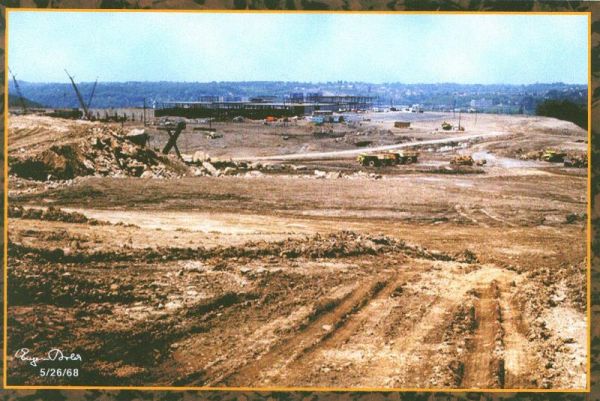
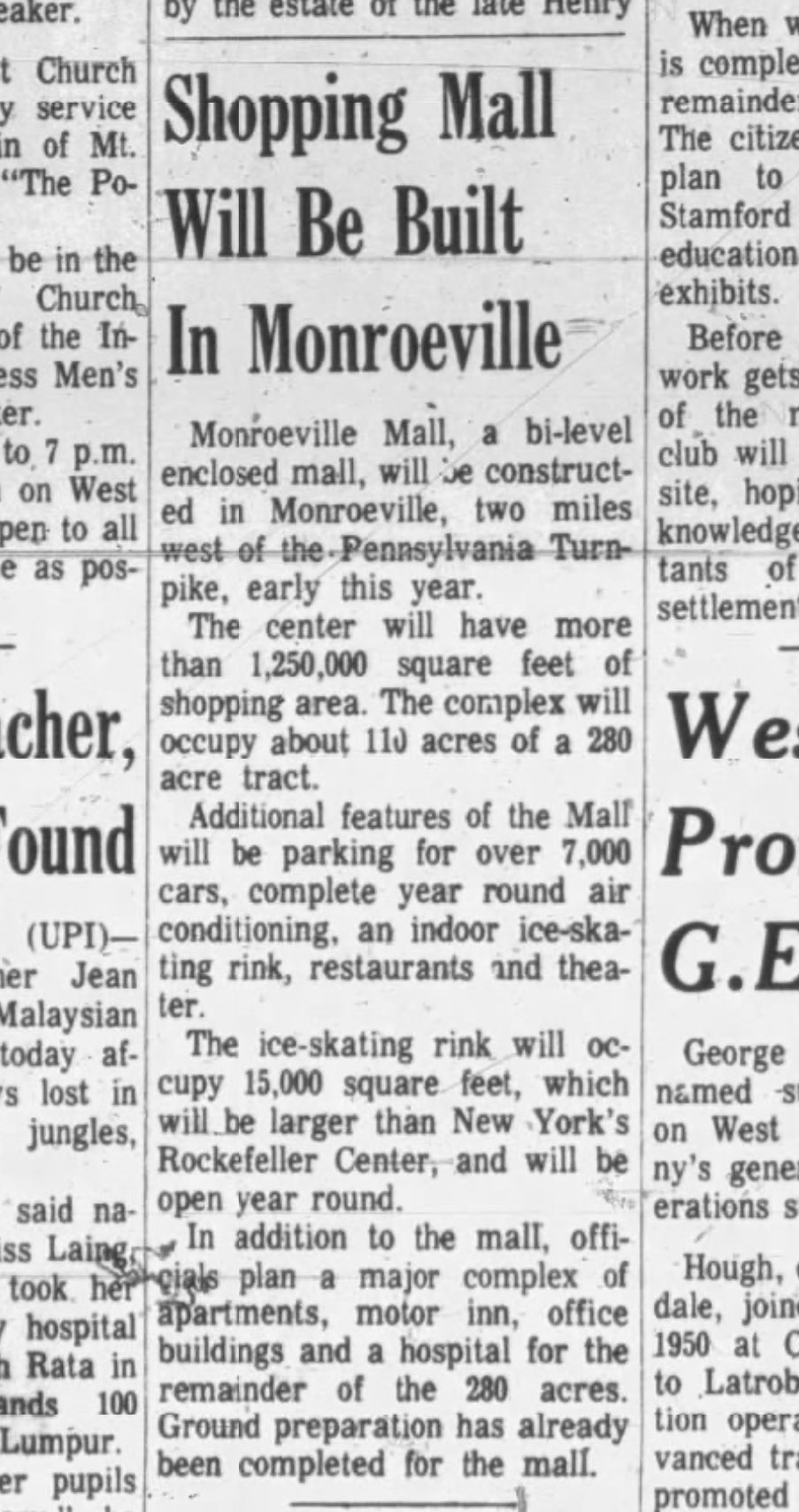
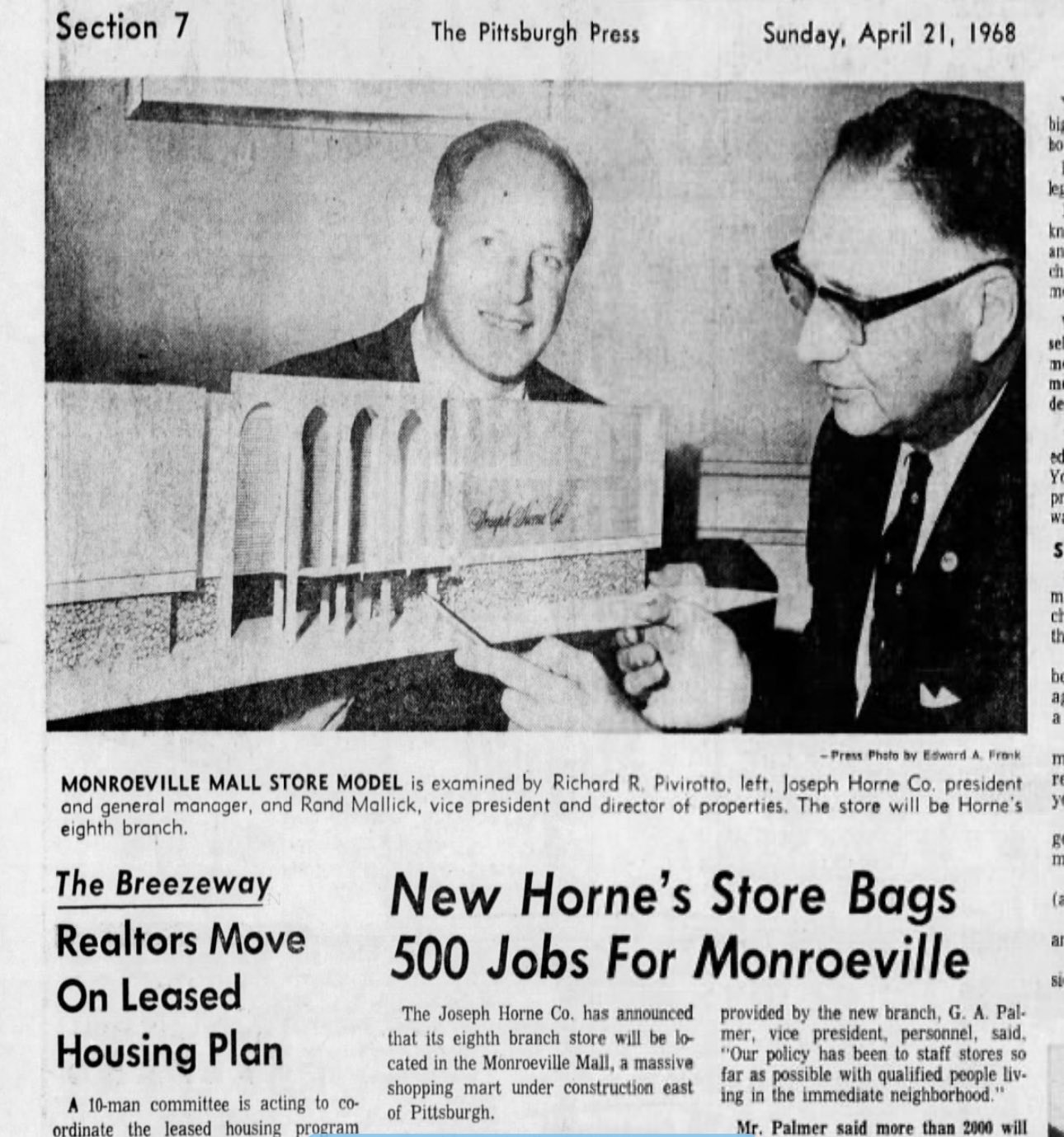
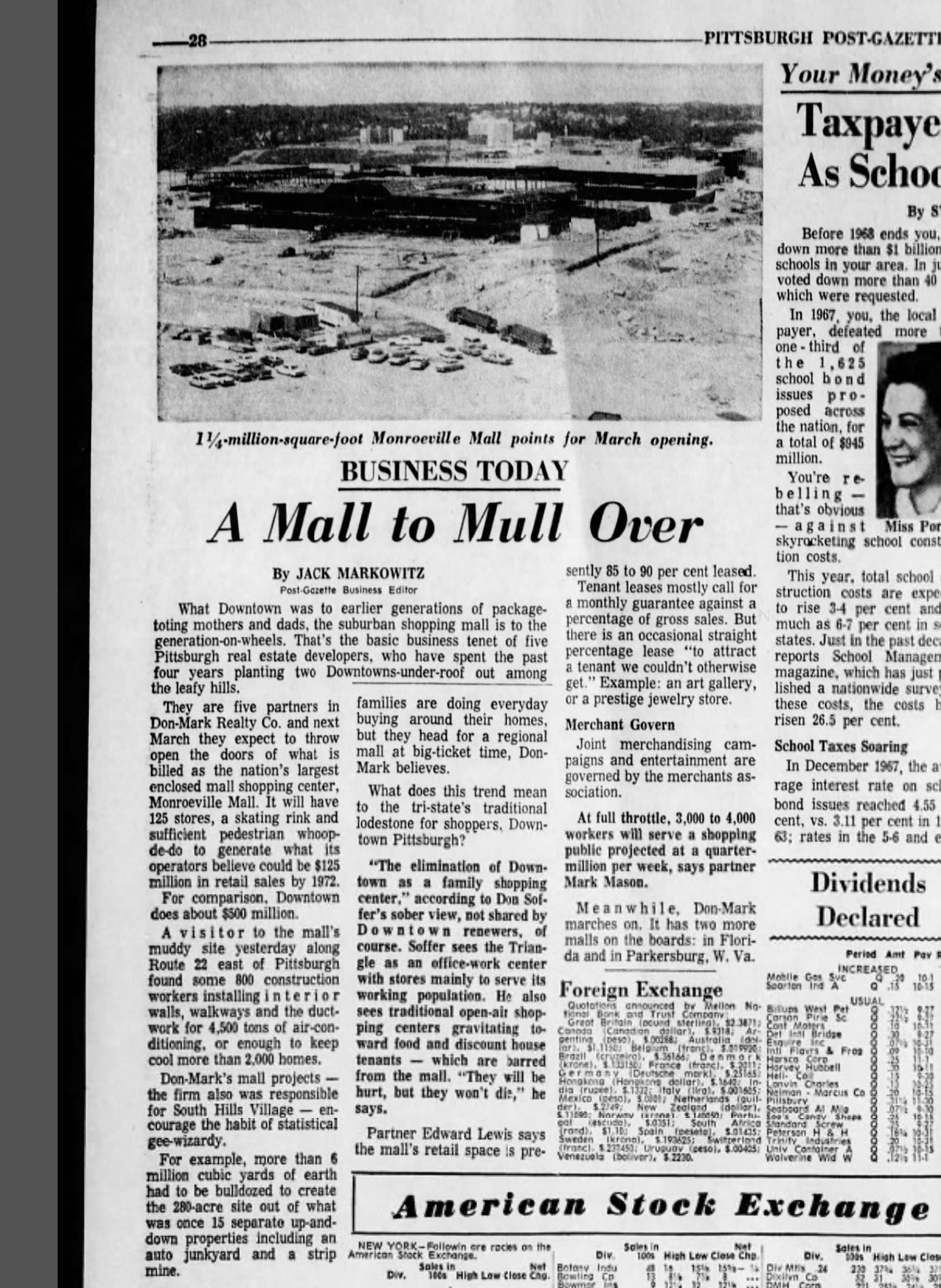
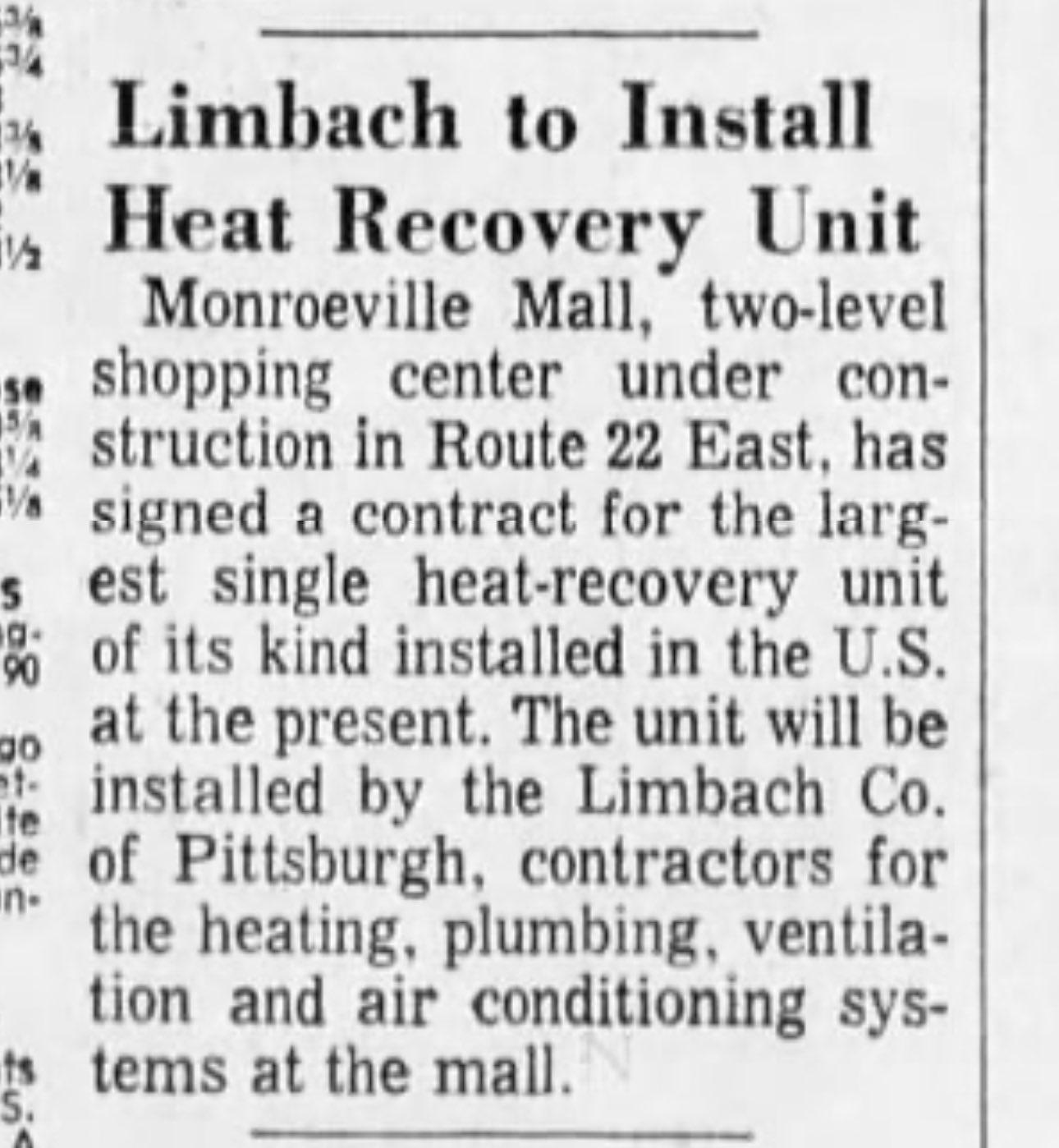
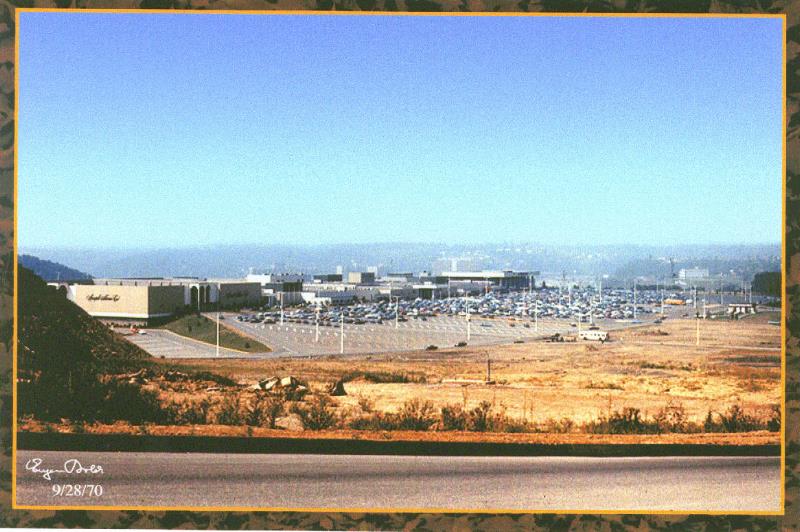
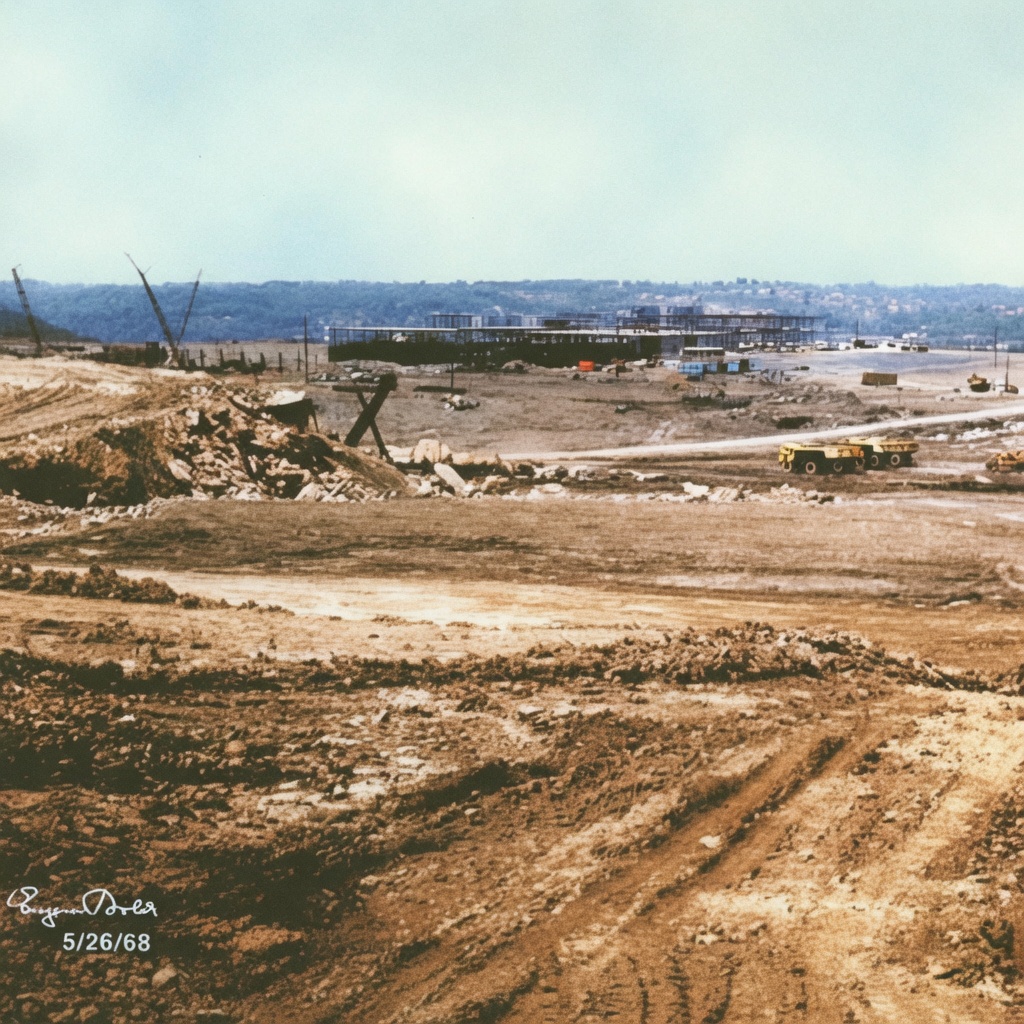
The project itself started earlier with groundbreaking (according to Oxford Development) taking place in 1967. Secondary histories say the Harper’s Mine tract covered about 280 acres; grading began in 1966, and main building construction got underway in 1967 after the groundbreaking. In all accounts, by May 1968, construction was visibly underway in Monroeville, PA.
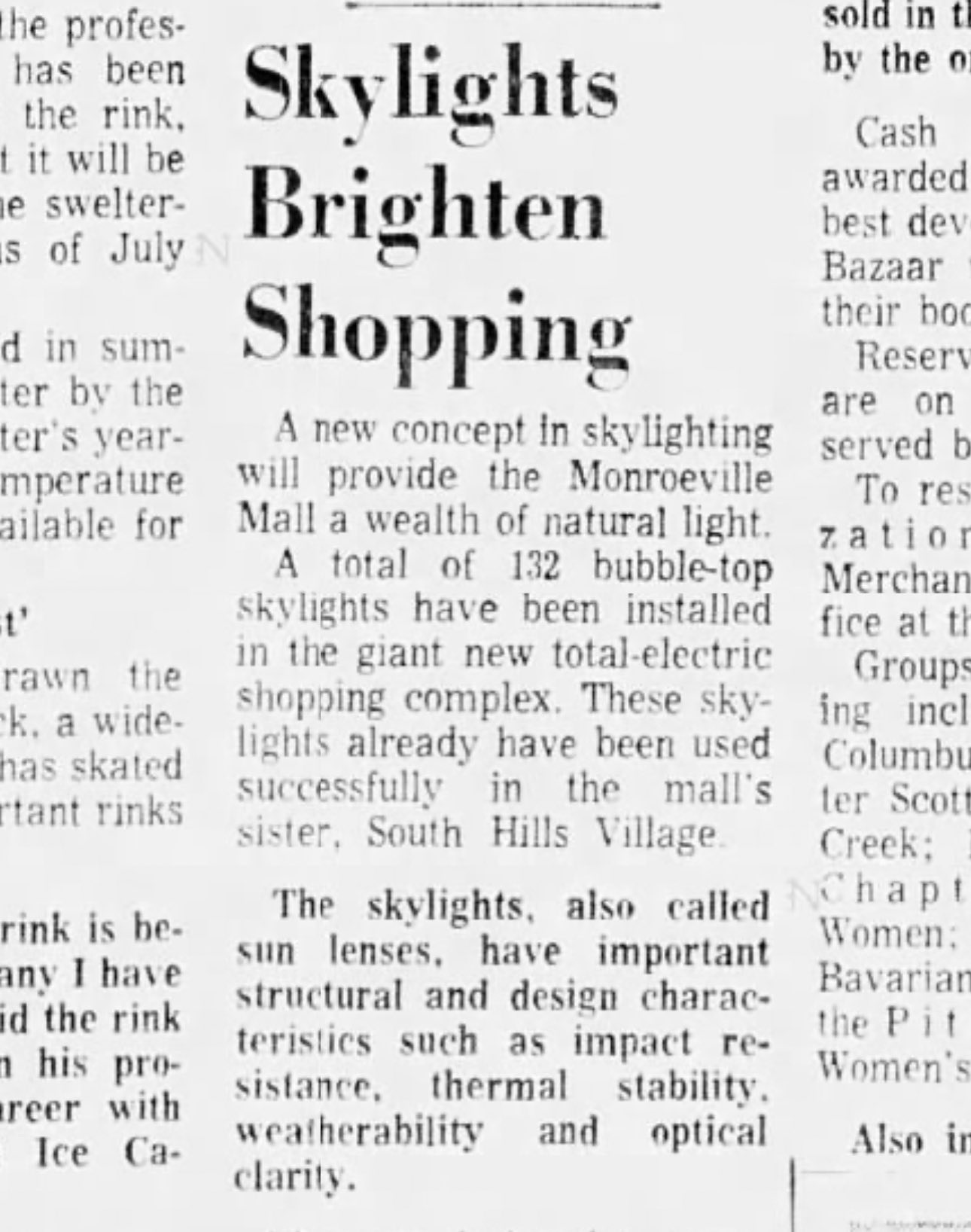
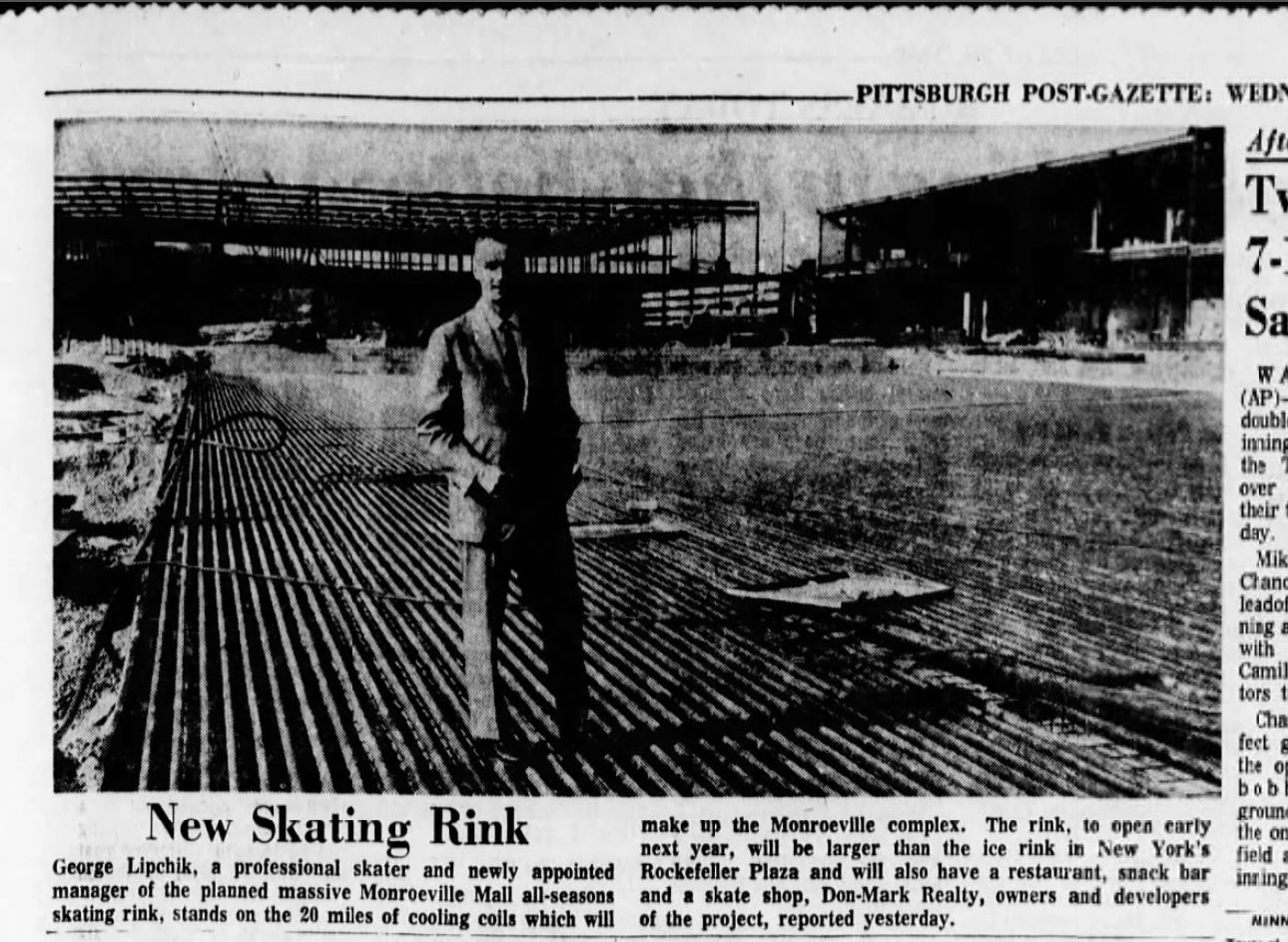
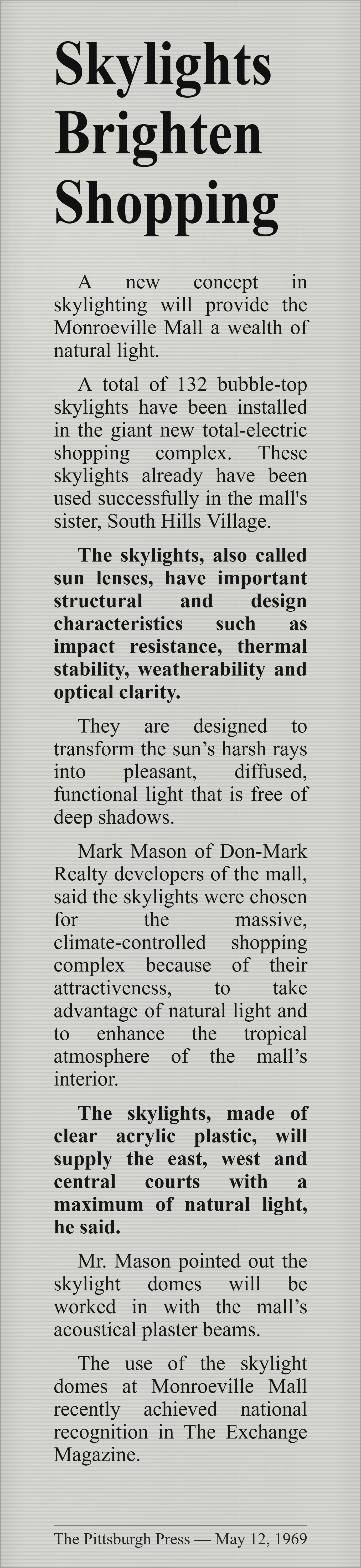
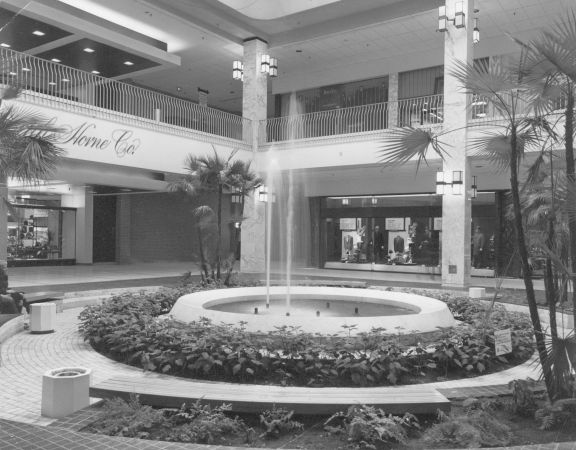
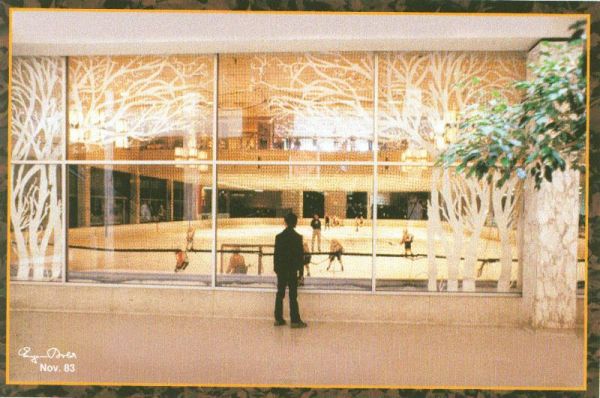
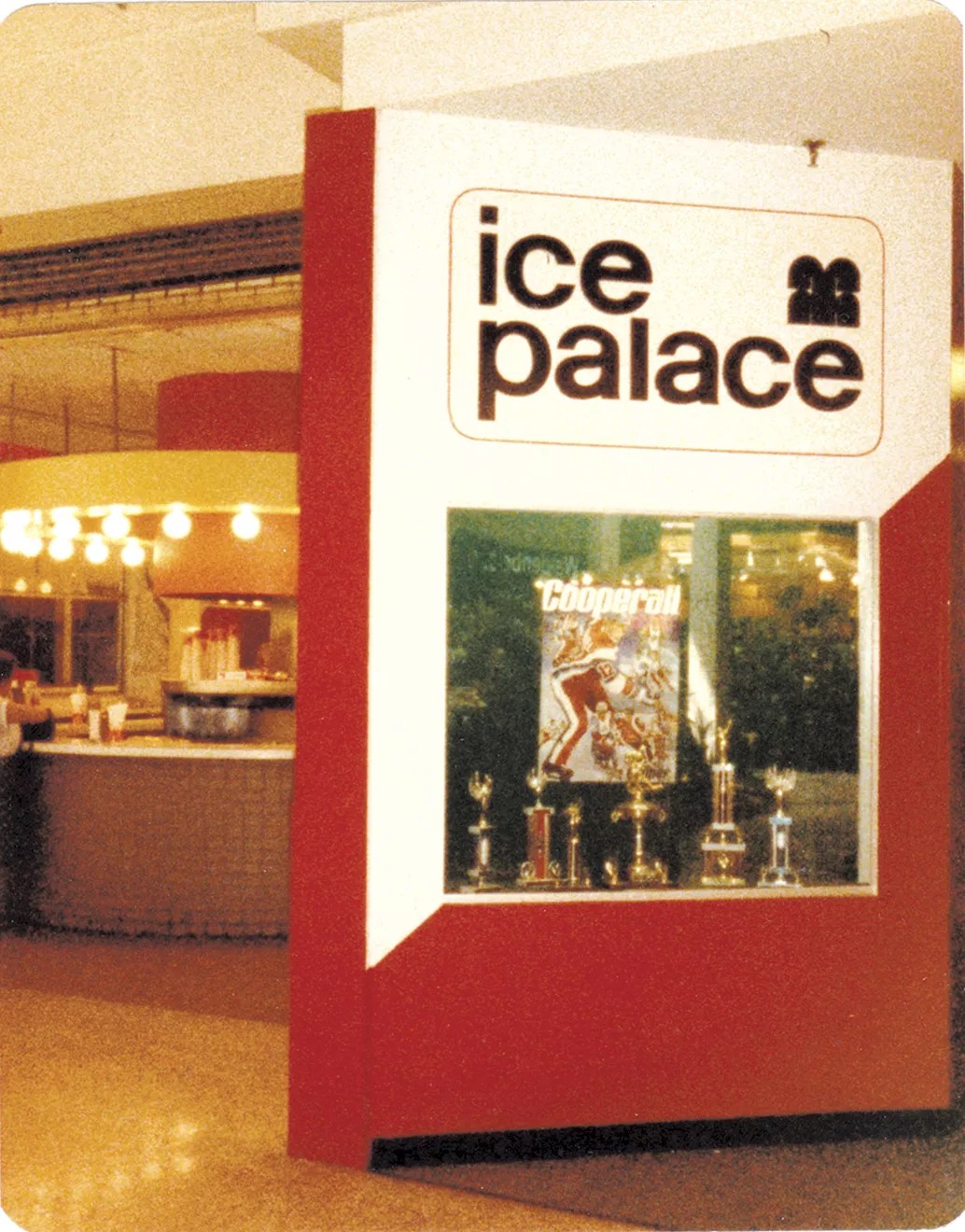
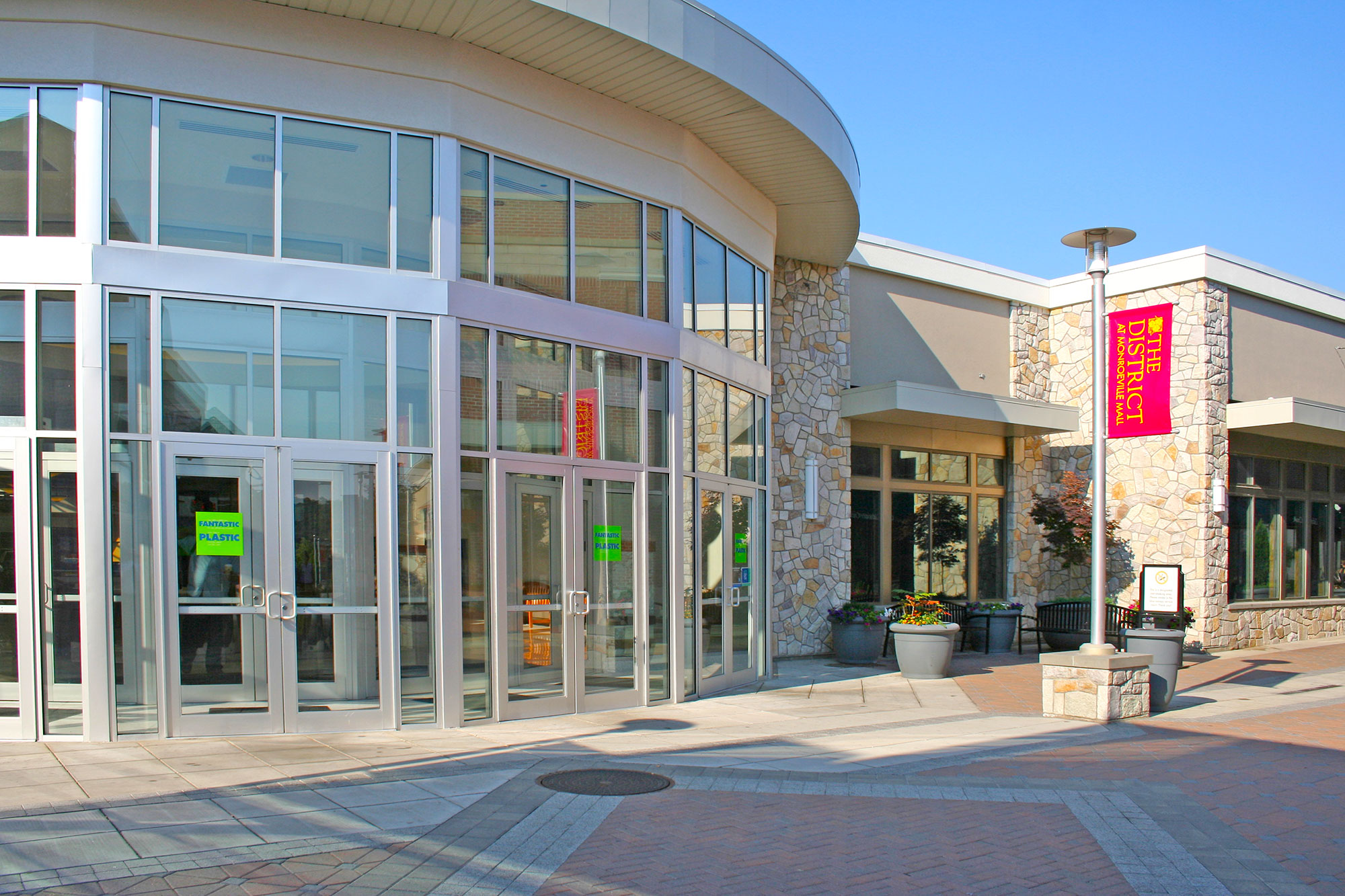
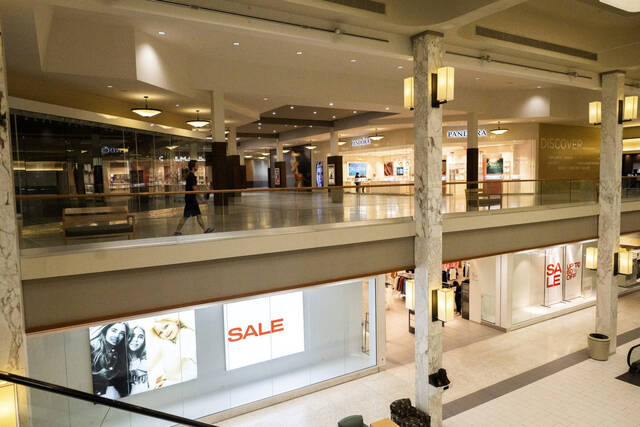
The built environment of the new mall also fits the national model almost perfectly. Historic Pittsburgh’s Joseph Horne catalog record describes the new mall as a self-enclosed, air-conditioned shopping area with paved courtyards, plantings, shrubs, pools, and impressive fountains. That language is important because it shows what developers were selling: not only stores, but climate control, order, greenery, leisure, and a semi-civic indoor public realm. The National Endowment for the Arts study on dead malls notes that postwar shopping centers were widely portrayed as both retail facilities and new community gathering places, and that was believed to serve “civic, cultural and social community needs.” Monroeville’s fountains, tropical themed landscaping, interior courts, skating rink, and ceremonial opening spectacles belong squarely to that ideal.